
Fitness trackers and smartwatches are now fixtures in American everyday life, integrated into workouts, commutes and downtime. But the question remains: Are these gadgets really useful for shedding pounds, or are they just overpriced pedometers? The short answer is that’s clear—they do work, but not when you’re using them as perfect tools, as the whole point is not to be perfect but to apply the tool thoughtfully.
Studies suggest that the effects of wearable devices on weight-loss outcomes are mainly mediated by awareness of behaviors rather than information on the exact number of consumed calories. Despite the common narrative, the reason the majority of Americans eat too much isn’t because we’re all a bunch of weak-willed gluttons, it’s because we habitually underestimate how much we eat and how much we move around. Trackers are most effective when they illuminate these unseen habits — when they make snap decisions streaks or unconscious choices more deliberate.
Trackers are strong in three main areas: They motivate you to move more each day by increasing your awareness of your step count and encouraging you to focus on incremental, manageable increases in activity; they help you get more—and more consistent—shut-eye, which is an essential but all-too-often neglected piece of the weight management puzzle; and they support healthy habits with timely nudges and streak challenges that help keep up your motivation over time. But they do have some big caveats: the estimations of calories burned can be off by 20 to 40 percent, meaning people are potentially being misled; obsessive tracking could increase someone’s stress level or cause burnout; and devices aren’t able to address emotional or social triggers for overeating, like stress eating or attending social function.
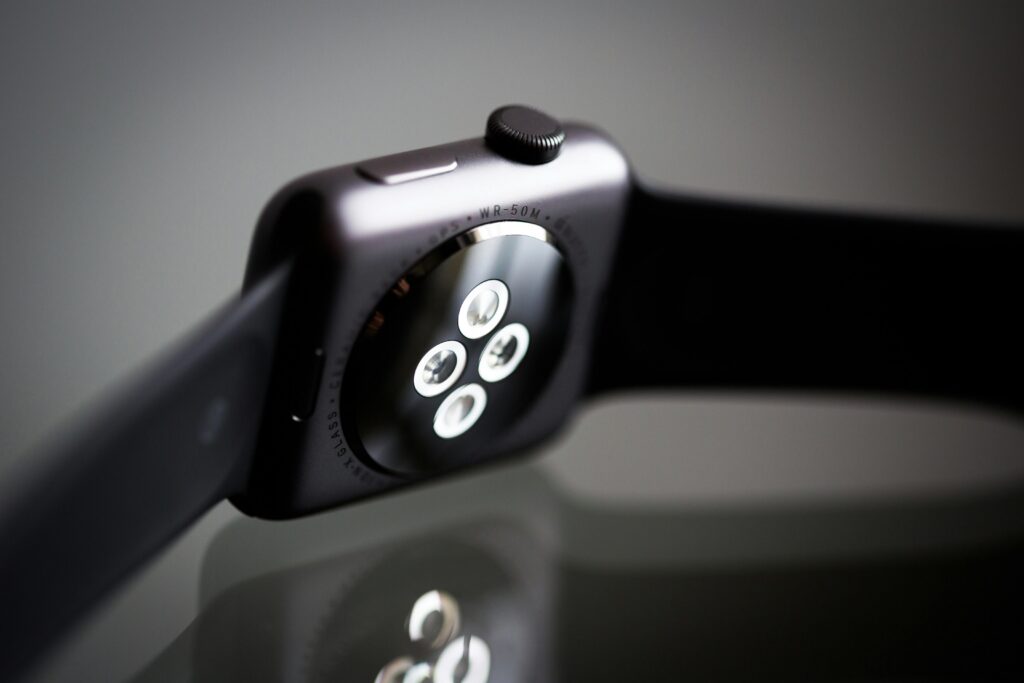
For Americans to get the most bang for their buck from these devices, they would be better off going less for daily perfection and more for weekly averages, since a single off day won’t knock them off course for good. They should also focus on movement and sleep as the primary data points and not calories burned, so they don’t fall into the trap of obsessing over inaccurate metrics. Pairing tracking with flexible eating habits rather than strict dietary restrictions also makes it easier to sustain and reduces the risk of burnout.
At the end of the day, fitness trackers are just instruments, not spells. When designed as feedback mechanisms that help individuals make decisions rather than command-and-control mechanisms that tell individuals what to do, they can quietly but effectively assist in long-term weight management through small, cumulative changes.