
Post-Meal Weight Loss Strategies: Healthy Habits After Eating + Optimal Exercise Timing
Post-Meal Weight Loss Tips
Next, let me introduce a few post-meal weight loss tips.
The first tip is to avoid finishing your meal; take some food with you. This means intentionally not finishing your food, not that you can't eat anymore. When you're eating out alone or with friends, to control your calorie intake, prepare a lunchbox beforehand (or ask the waiter for one) and pack half of your food to eat later.
This method divides a typical meal into two, reducing your daily total calorie intake and the digestive burden caused by eating too much at once. It's also environmentally friendly and avoids food waste. Of course, this method may not be suitable if you're dining with a large group.
The second tip is to stand after meals. Rest for about 20 minutes after eating, then stand while watching TV, or stand on the balcony, keeping your abdomen slightly tucked in while standing. Many people sit down to watch TV or play computer games after eating, sometimes for hours at a time. After meals, reduced blood flow to the brain due to decreased blood supply to the stomach can cause fatigue. Sitting down at this time makes it easy to unconsciously slouch and feel weak, leading to increased belly fat over time.
Additionally, try to stand as much as possible instead of sitting. Standing requires more muscle engagement and energy expenditure. Therefore, standing for an extra 3 hours a day—for example, standing for 1 hour at the office in the morning, 1 hour in the afternoon, or 1 hour on the subway—can burn an average of over 100 calories per day, resulting in a weight loss of about 1 pound of pure fat per month.
The third tip is abdominal massage. Regularly massaging the abdomen can enhance intestinal peristalsis and digestive function, effectively treating constipation. People who frequently suffer from constipation can try massaging their abdomen.
Massaging the abdomen increases blood flow to the abdominal muscles and intestinal smooth muscles, strengthens the tension of the gastrointestinal wall muscles and lymphatic system function, enhances the digestion and absorption of food, improves the peristalsis of the large and small intestines, and promotes bowel movements. Furthermore, massaging the abdomen stimulates peripheral nerves, and through massage with varying pressure and speed, it improves blood flow to the abdominal wall capillaries, promoting fat burning.
The specific method for abdominal massage is as follows: Relax your whole body, place your left hand on your abdomen with your palm facing your navel, and place your right hand on top of your left. First, massage your abdomen clockwise around your navel 100 times, then massage counterclockwise 100 times. Use moderate pressure, concentrate, and breathe naturally while massaging.
The fourth tip is to take a brisk walk after a large meal. Rest for 30 minutes after eating, then take a brisk walk for 30 minutes. This suggestion serves two purposes. First, it helps burn some of the calories from the meal; second, it reduces the guilt associated with overeating, ensuring you're still on your weight loss journey. The next day, you can return to your normal weight loss routine.
This prevents some people from making excuses like, "I've already eaten a big meal, I'll just wait until later to lose weight," thus ending up back where they started in an endless cycle.
Here's another reminder: after a meal, your stomach is full of food and much heavier than usual. If you immediately walk briskly or exercise after eating, the jolting motion can potentially lead to organ prolapse.
Furthermore, blood circulation in the gastrointestinal tract accelerates after a meal. Walking immediately after eating can cause stomach pain and cramps, and digestion is easily interrupted. Over time, this can lead to stomach problems.
Therefore, it's recommended to rest for at least 30 minutes after a meal before starting to walk. If you've eaten a lot, rest for at least one hour before walking.
Choosing the Right Time to Exercise
One question I often get asked by new members of weight loss training camps is: when is the best time to exercise for weight loss?
Actually, the best time to exercise for weight loss depends on the type of exercise and your usual lifestyle.
For most office workers and students, there are only a few times to exercise: before breakfast, during lunch break, and in the evening.
Let's talk about the first one. If you're an early riser, I recommend exercising before breakfast. The air is also better in the morning, making it a good time to exercise outdoors. After daybreak, plants begin photosynthesis, and the air gradually becomes fresher, making it a more comfortable time to exercise.
Morning exercise should primarily consist of low- to moderate-intensity activities. Firstly, after lying down all night, your body is relatively stiff, so low-intensity exercise should gradually awaken it. You can complete two sets of four-minute workouts at low intensity.
Secondly, you've generally not eaten for over 10 hours in the morning. The food you consumed the previous day has been largely depleted after a night's use for basic functions like breathing and heartbeat. Sugar levels are also relatively low. Therefore, exercising before breakfast, even at the beginning, will result in a higher proportion of fat being used for energy, accelerating fat burning.
Furthermore, for many people, moderate exercise can quickly shake off morning drowsiness, making work or morning classes less tiring, improving concentration, and increasing work efficiency.
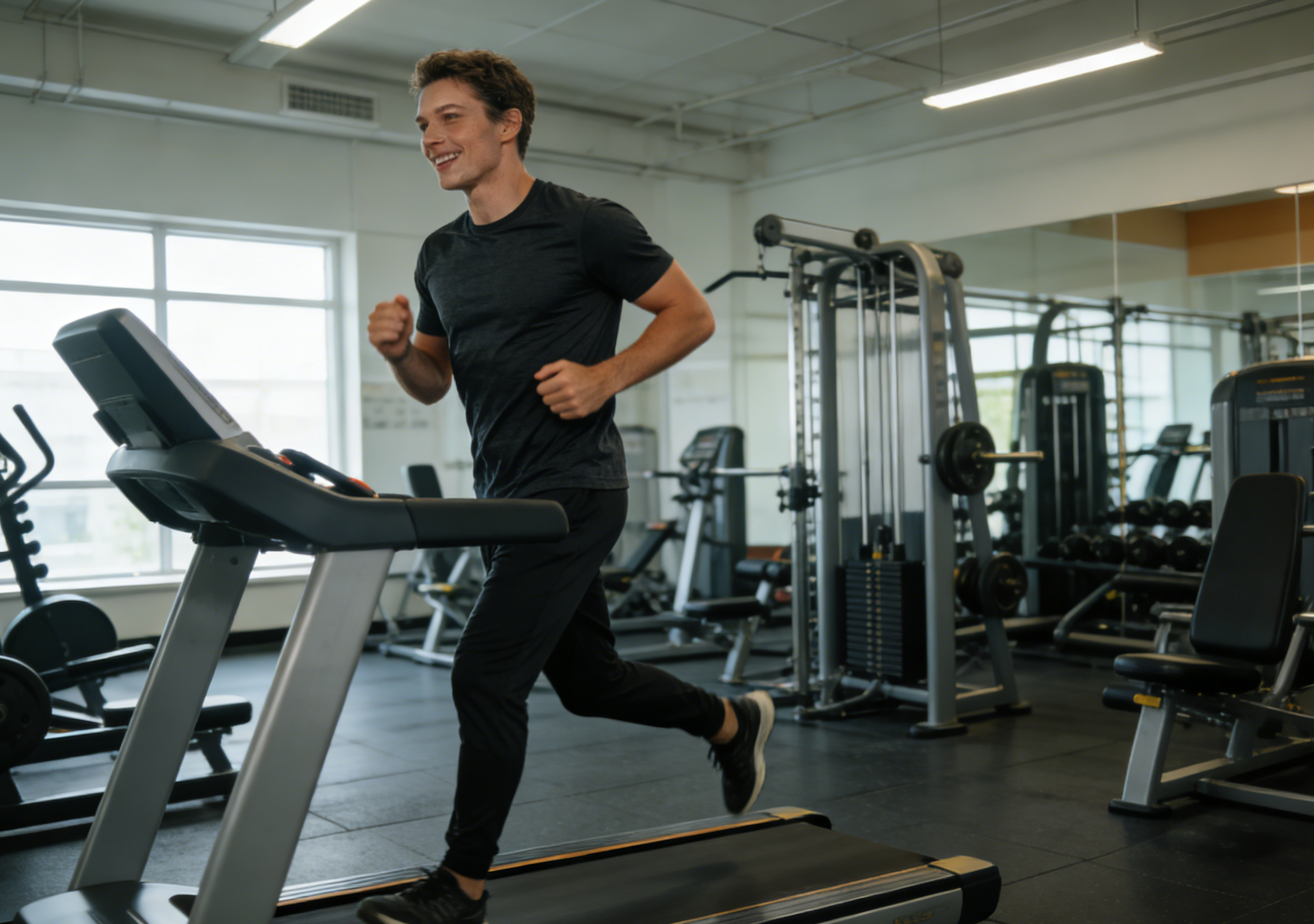
The Complete Guide to Weight Loss Through Walking and Jogging: Correct Posture and Scientific Training Methods
This article provides a detailed analysis of the correct posture, exercise volume, and scientific training steps for walking and jogging as weight-loss methods. Mastering these safe and effective exercise techniques will not only help you burn fat efficiently and lose weight, but also prevent exercise-related injuries, making the weight-loss process easier and more sustainable.
2026-02-02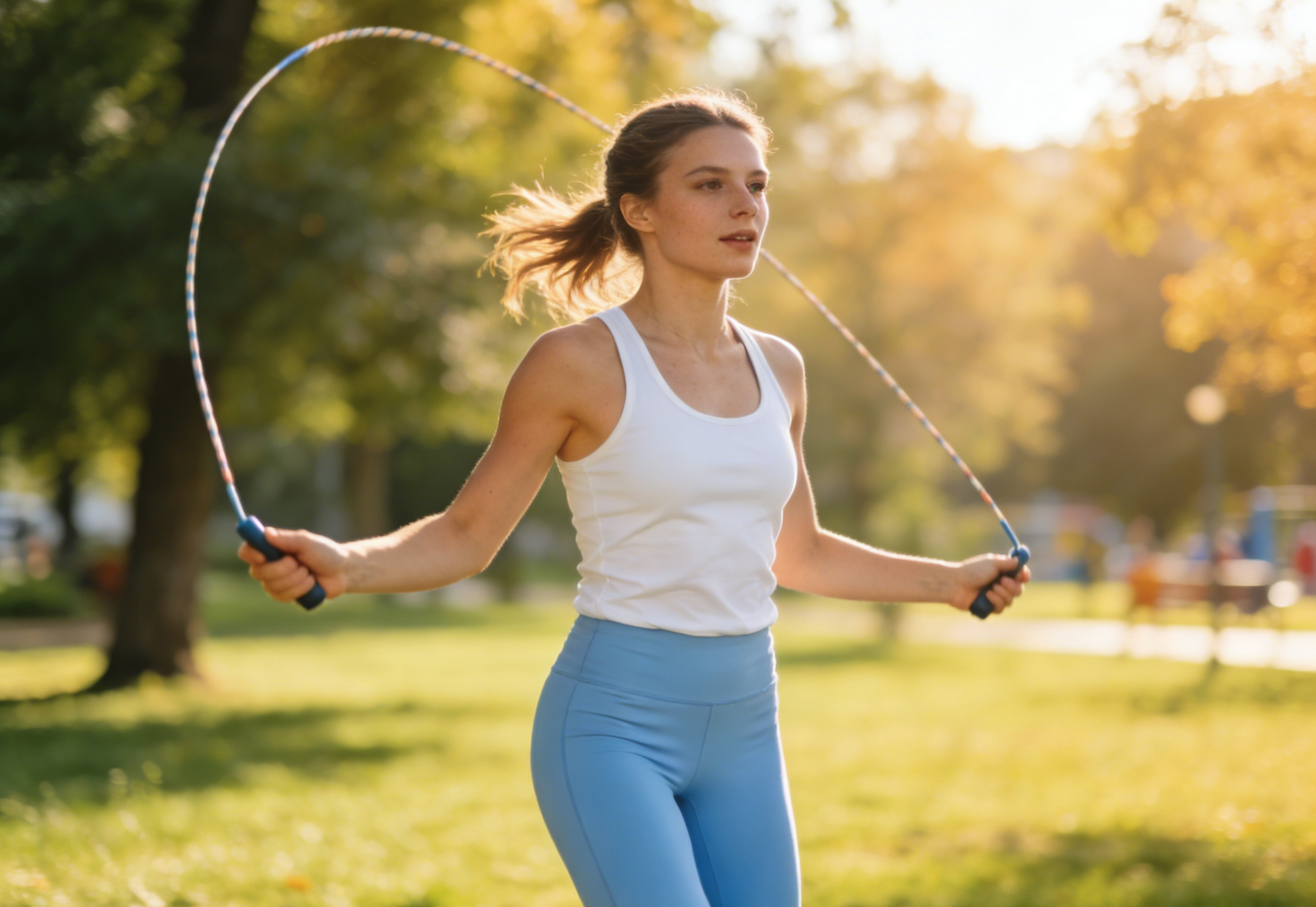
Effective Jump Rope Weight Loss Method: A Guide to Full-Body Fat Burning and Proper Techniques
This article introduces the highly effective fat-burning effects and proper techniques of jump rope exercise for weight loss. It emphasizes that scientific jump rope training can promote overall fat burning and achieve rapid weight loss. Mastering the correct techniques and consistently exercising can effectively enhance weight loss results and help sculpt a well-proportioned physique.
2026-02-02
The Complete Guide to Losing Weight Through Swimming: Effective Fat Burning and Scientific Considerations Explained
This article explains in detail how swimming effectively burns fat and aids in weight loss, while also emphasizing safety precautions to ensure a safe workout. It promotes healthy weight loss through scientific swimming techniques, enhancing weight loss results and is suitable for people of all fitness levels.
2026-02-02