
How do snacks hinder weight loss? Three science-backed tips to help you achieve your goals.
Snacks are one of the biggest obstacles on your weight loss journey. This isn't just my opinion, but what the data tells us.
Today in the United States, 20% to 25% of energy intake across all age and gender groups comes from snacks, equivalent to eating an extra meal. The latest data shows that China is the fourth largest consumer of snacks after the United States, Australia, and Mexico, with snacks providing approximately 10% of the total energy intake for Chinese people.
People eat so many snacks because of a psychological craving for food. This "food craving" usually refers to a strong desire to consume a specific food. Reports indicate that 100% of young women and 70% of young men have experienced cravings for at least one type of food in the past year.
Moreover, this craving can induce food addiction after repeated consumption of the same snack. Correspondingly, driven by profit, businesses cater to people's tastes and mass-produce these ultra-processed foods; and long-term exposure to these unhealthy foods makes people like the taste even more, creating a vicious cycle...
Abundant evidence shows that chocolate, carbohydrates, and salty snacks share similarities with addictive drugs like morphine in the brain's reward and control pathways. Therefore, constantly craving snacks isn't just a matter of poor self-control; it's a problem brought about by industrialization and market-driven profit-seeking.
To address this problem, after summarizing recent medical research on snack addiction, I offer you three suggestions.
The first suggestion: Label your snacks.
You can use red, yellow, and green labels to distinguish different types of snacks.
Studies show that addictive foods share some common characteristics: primarily carbohydrates, mixed with fat, high glycemic index (GI), and highly processed. Therefore, foods with more than 2000 kilojoules (477.8 calories) per 100 grams, foods where refined carbohydrates account for more than 40% and also have a high fat content, and all sugary drinks, should be labeled red. What kinds of snacks can be given a green label? They mainly include three categories: one is baked nuts without added salt or sugar; another is dairy products such as fresh milk and yogurt without added flavorings; and the third is whole fruits or dried fruits without added flavorings. In addition, simply processed natural foods such as konjac noodles and soy milk can also be given a green label.
Snacks that are not as healthy as those with a green label, but not as unhealthy as those with a red label, can be given a yellow label, such as whole-grain biscuits, spicy duck necks, flavored yogurt, and fruit juice, etc.
The second suggestion is to establish conditioned reflexes.
Studies have shown that after developing evaluative conditioned reflexes towards food, we will make better food choices. For example, putting a red cross on a picture of potato chips and repeatedly observing the image will reduce your likelihood of choosing potato chips. Data shows that after receiving evaluative conditioned reflex training, participants were three times more likely to choose fruit instead of butter cookies.
So, how do you establish conditioned reflexes?
In my "Secret Guide," I have categorized common snacks. When you see a snack with a red label, mentally put a cross on it; don't choose it or touch it. Snacks with a yellow label can be eaten occasionally, no more than twice a week, and no more than 50 grams each time. Snacks with a green label can be eaten every day, just pay attention to the total amount—a handful of nuts, 250 grams of fruit, and 250 grams of dairy products, not exceeding this amount daily.
Frequently reviewing your "Secret Guide" is a way to establish conditioned reflexes.
The third suggestion is to stock up on green-labeled snacks.
As a woman who loves snacks, and also the mother of two daughters who love snacks, this suggestion is the essence of my years of experience in dealing with snacks.
"Mom, I want a bag of potato chips."
"But you've already had one this week."
"But I'm so hungry, the school lunch was terrible, I didn't eat enough. Just half a bag, okay?"
"Dinner will start soon. I've prepared a cup of fruit yogurt for you, with your favorite kiwi and raspberries, and a handful of your favorite crunchy beans. If you're still hungry after that, come find me!"
"Okay then."
This is a scene that often happens in my home. The little girls are so hungry when they come home from school that they inevitably want to eat some snacks to tide them over. Even I, when I'm reading at home or writing in the office, often can't resist the urge to grab something to eat.
No one's willpower is unlimited. Instead of resolutely resisting snacks, it's better to stock up on healthy snacks so you can have some whenever you want. Snacks aren't inherently bad; eating some healthy snacks in moderation can help reduce stress and increase a sense of inner security.
Besides the three types of healthy snacks mentioned earlier, you can also develop your own. The roasted broad beans I mentioned to my daughter are a type of snack from Anhui province – shelled broad beans are dry-fried in an iron pot and then put in a jar with a little salt.
Many natural foods can be simply cooked and used as healthy snacks. Steaming, dry-frying, and baking are all good cooking methods. Remember, don't add oil, don't add sugar, and use less salt. Roasted sweet potatoes, boiled corn, and steamed yams are all good options. However, these are considered staple foods and should be included in your daily carbohydrate intake.
Healthy beverages are equally important. Drinking plain water every day can be boring, and I often don't want to drink it until I'm really thirsty, at which point I'm more likely to crave sugary drinks. Therefore, I always keep healthy beverages on hand. As long as you're not thirsty, your craving for sugary drinks will be greatly reduced.
What are healthy beverages? Tea, black coffee, unsweetened soda water, and milk all count. When you have time, you can also make a pot of mung bean soup, sour plum soup, hawthorn water, fruit tea, or soy milk – without adding sugar, they all taste great. In the summer, I often mix chilled unsweetened soda water with my homemade lemon and passion fruit jam for the girls to drink. They love it, and they don't crave sugary carbonated drinks anymore.
Whether it's labeling foods, training your conditioned response to snacks, or stocking up on healthy snacks, it's all about allowing yourself to enjoy the little pleasures in life to the fullest. As I said before, life is your own; only by making weight loss a part of your lifestyle can you achieve true success.

Scientific weight loss: combining small, restricted food intake with aerobic exercise and behavioral changes
This article analyzes scientific methods for reasonable weight loss, emphasizing a comprehensive approach that combines moderate dietary calorie restriction with appropriate aerobic exercise and behavioral modifications. This strategy effectively promotes weight loss, prevents dehydration and lean tissue loss, and achieves healthy weight loss goals. By maintaining a balanced diet and regular exercise, the weight loss process is ensured to be safe and sustainable.
2026-03-13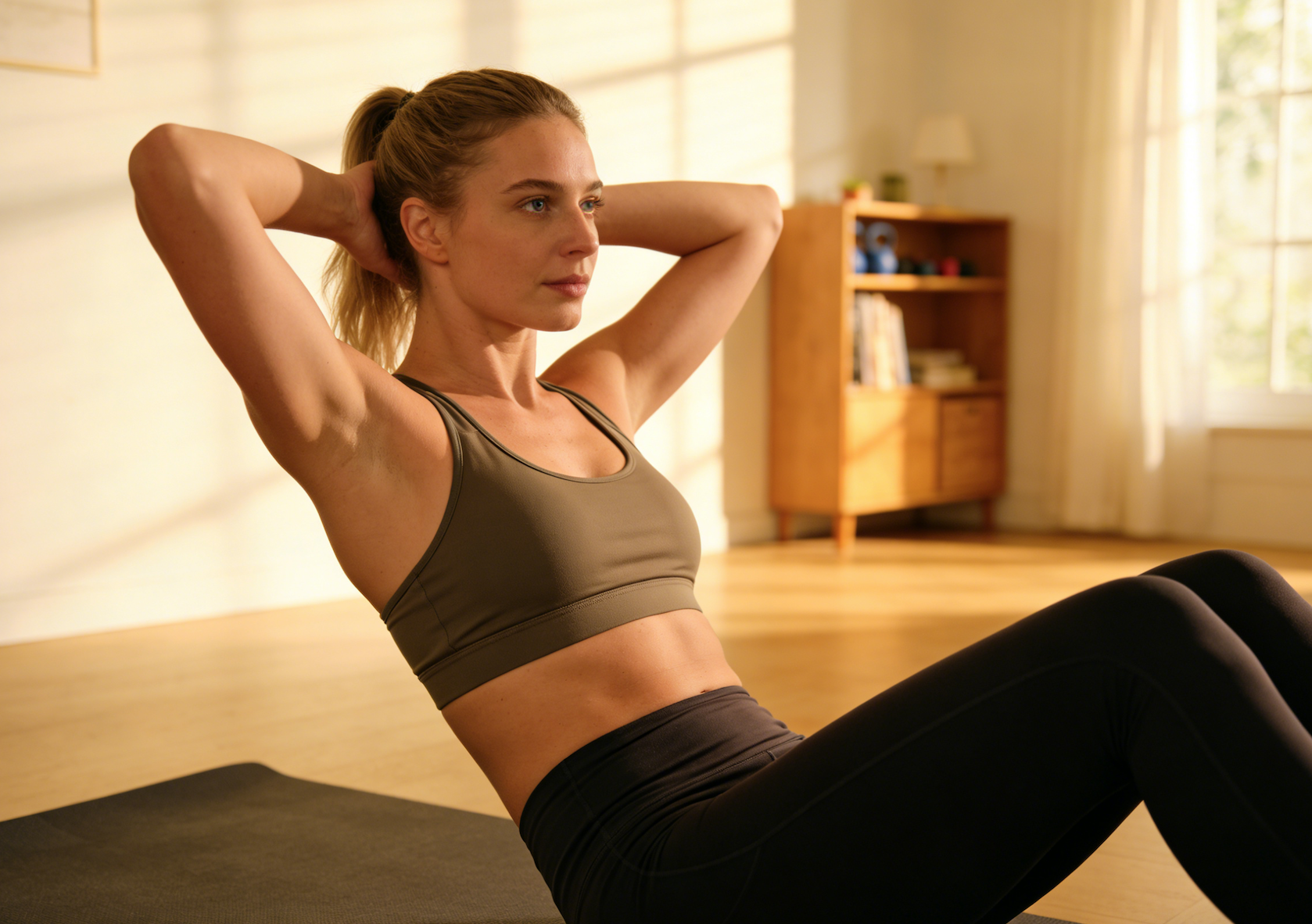
Abdominal exercises specifically designed for women to help you effectively eliminate fat and lose weight.
This article provides a detailed set of abdominal exercises tailored to the characteristics of abdominal fat in women. By consistently practicing specific movements, you can effectively tighten your abdomen and eliminate excess fat, making it an effective way to achieve targeted body shaping and healthy weight loss. Mastering scientific methods will make abdominal weight loss twice as effective.
2026-03-06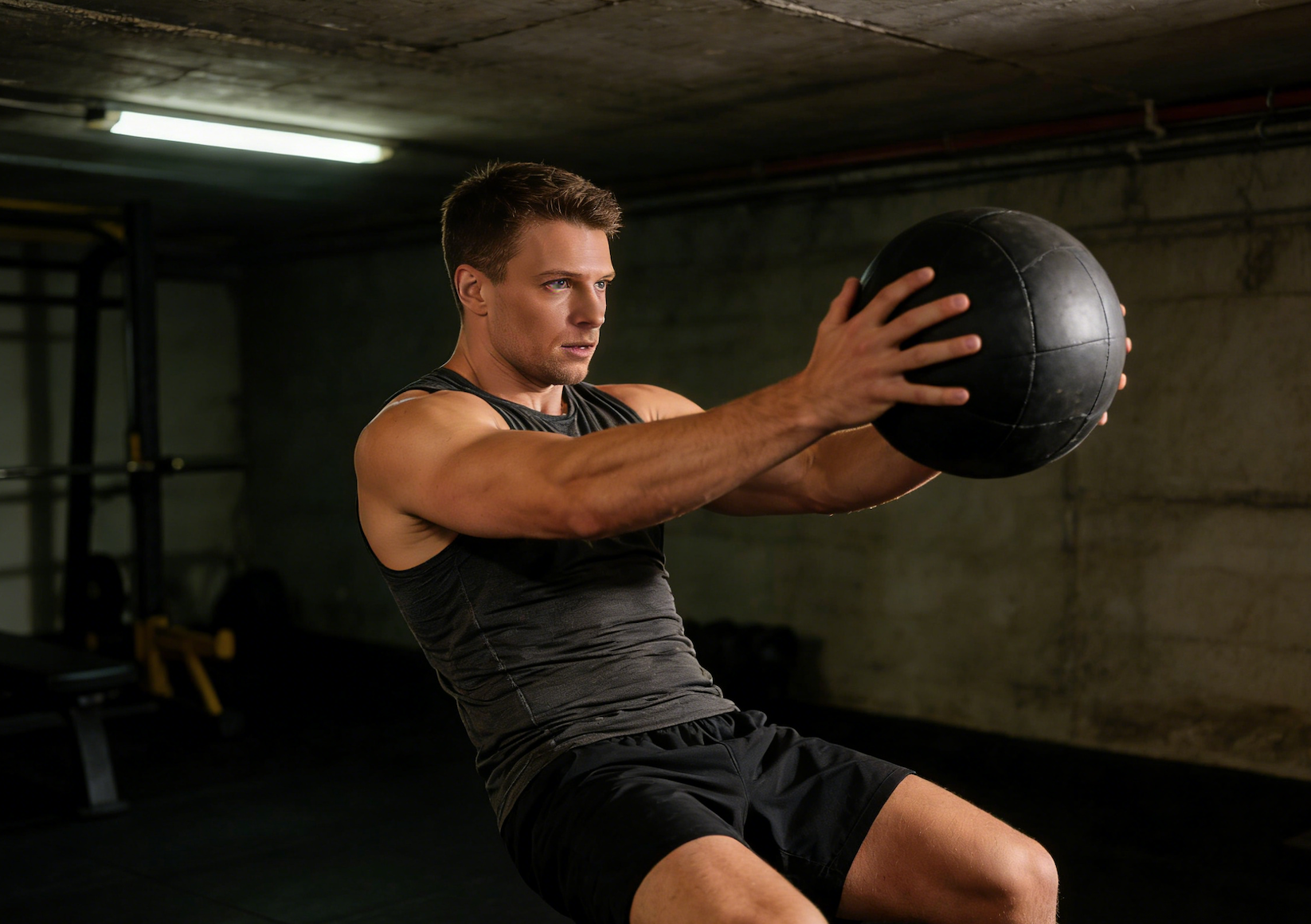
Effective Abdominal Exercises: Firm Abdominal Muscles and a Scientific Weight Loss Guide
This article details several highly effective abdominal exercises, including neck curls and diaphragmatic breathing, which effectively strengthen abdominal muscles and break down excess abdominal fat. Consistent practice of these exercises is an effective way to achieve targeted body shaping and healthy weight loss. Mastering scientific methods will make your abdominal weight loss results more significant and your physique more toned.
2026-03-07