
The three core stages of weight loss: scientific fat reduction, effective body shaping, and improved physique.
Fat loss is the primary goal of weight loss.
Over 80% of the effort in weight loss is focused on combating fat. Fat loss has a systemic effect and should be the top priority. Without achieving this, other aspects cannot be implemented. Moreover, if fat isn't lost and weight remains the same, it cannot be considered weight loss.
The key to effective fat loss is using the right methods. Fat loss requires reducing calorie intake and increasing physical activity simultaneously. These two requirements are like the two wings of a bird; without one, the bird cannot fly.
The second key point for fat loss is consistency. I oppose overly extreme, even ascetic, methods for weight loss, but a certain amount of willpower is still necessary. Especially when faced with delicious food, your stomach is already rumbling, and you can't eat it; after a long day at work, you're already exhausted, and you still have to exert yourself to exercise—your resistance will be amplified. Most failed weight loss attempts begin at this moment: a slight shift in mindset, "Why bother?", and all previous efforts are wasted.
Therefore, I suggest finding a strong source of motivation before starting any weight loss program. No matter how much you dislike it or how much you feel about giving up, this source of motivation can encourage and support you. If weight loss is a lifestyle that will accompany us throughout our lives, then we should find our "nuclear power" to keep moving forward relentlessly and savor the beauty of life in the process.
Shaping your body is essential for achieving a shapely figure.
While weight loss primarily targets fat, it's inseparable from muscle. Beneath the skin, muscle and fat are interdependent, like fish and water. They both participate in the calorie consumption process, both contributing to calorie conversion, just at different times.
From an aesthetic perspective, simply losing fat may lead to a loose, sagging body, making you look less attractive than when you were heavier. At this point, it's necessary to strengthen muscles to tighten the skin and restore the body's definition. Women's muscles are naturally less developed than men's, so there's no need to worry about becoming overly muscular. As long as it's not extremely strenuous exercise, women who build muscle will only develop a more balanced and shapely physique. Only by building muscle can true beauty be achieved.
Improving your constitution can help you stay slim for life.
Constitution is also closely related to weight loss. We often see this phenomenon: some people eat and drink excessively but never gain weight; others eat like birds but still accumulate fat. These phenomena seem inexplicable by the theory of calorie balance, but in Traditional Chinese Medicine (TCM), they are all related to constitution.
Western medicine is not very effective in treating constitutional obesity. Hormone therapy, while having some effect, has significant side effects.
In a weight loss program, fat reduction, body shaping, and improving constitution are three stages that unfold simultaneously but also have a specific order. Fat loss is the most important part of the weight loss process, and it involves the most detailed steps. Body shaping follows fat loss, further enhancing the body's curves. Improving overall health is the ultimate goal of weight loss. None of these steps can be omitted.
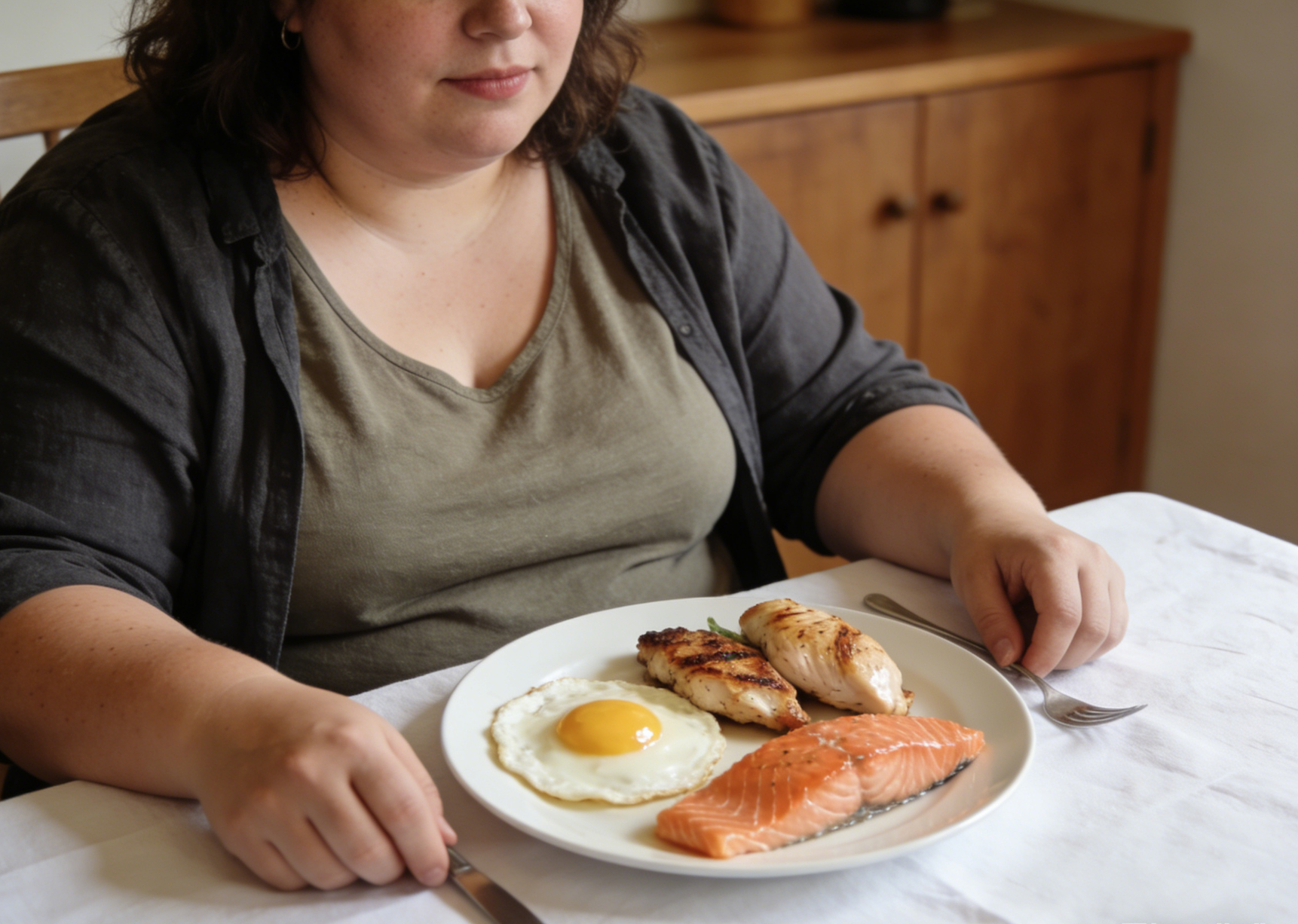
The biggest misconception about weight loss: avoiding meat? A complete analysis of protein intake.
This article debunks common misconceptions about avoiding meat during weight loss and explains the crucial role of protein in controlling appetite and boosting metabolism. By increasing the intake of high-quality meat, you can effectively promote fat burning and achieve healthier, more sustainable weight loss, breaking the misconception that only a vegetarian diet leads to weight loss.
2026-02-27
How to choose protein during weight loss? Is animal protein more effective than plant-based protein?
This article analyzes protein choices during weight loss, highlighting that animal proteins provide essential amino acids and are more suitable for promoting weight loss. It also advises caution regarding legume consumption for some individuals to avoid disrupting hormone balance and achieve healthy weight loss. Making informed protein choices can improve weight loss efficiency and overall health.
2026-02-27
A guide to calculating protein intake during weight loss: practical methods and tips.
This article explains the scientific standards for protein intake during weight loss, providing a formula for calculating daily requirements based on body weight and a practical "hand-size estimation" method. Adequate protein intake is crucial for boosting metabolism and maintaining muscle mass, forming the foundation for effective and healthy weight loss and preventing weight loss plateaus caused by protein deficiency.
2026-02-28