
Water-soluble and insoluble dietary fiber: The key choices for scientific weight loss.
When we talk about health and weight loss, we often mention dietary fiber. But what exactly is dietary fiber? Dietary fiber is a complex carbohydrate that the human body cannot digest, and it is widely found in vegetables, fruits, and grains. Unlike simple carbohydrates (sugars and starches) that are quickly absorbed by the body, dietary fiber cannot be broken down by the body, does not provide energy, and therefore does not cause fluctuations in blood sugar levels.
Although seemingly without value, dietary fiber actually plays a very important role. Because it cannot be digested by the body, dietary fiber acts as a "scavenger" in the intestines, helping to eliminate waste from the body and improve constipation. Dietary fiber also slows down the rate of food digestion, helping us control blood sugar, lower blood lipids, maintain intestinal health, and reduce the risk of diabetes, heart disease, and colon cancer. Dietary fiber also helps prolong satiety, reduce appetite, and promote weight loss.
The World Health Organization recommends that adults consume at least 25 grams of dietary fiber per day. The best sources of dietary fiber are natural and delicious foods, such as whole grains, beans, vegetables, nuts, and mushrooms. However, consuming whole grains and beans to obtain dietary fiber can also lead to excessive intake of carbohydrates. Therefore, during weight loss, we should choose foods that are lower in sugar and higher in dietary fiber, such as chia seeds, almonds, dark chocolate, avocados, bean sprouts, seaweed, black fungus, and kelp.
Dietary fiber is divided into two types: insoluble dietary fiber and soluble dietary fiber. Insoluble dietary fiber is what we commonly call roughage; it increases food volume and helps with bowel movements, but it has a rougher texture, such as wheat bran. Soluble dietary fiber dissolves in water and ferments in the large intestine to become prebiotics, providing abundant nutrients for the gut microbiota, promoting intestinal health, and having a better texture.
Many people choose to consume insoluble dietary fiber, which provides more sensory satisfaction, while neglecting the more valuable soluble dietary fiber. In fact, during weight loss, you should consume more water-soluble dietary fiber that is low in sugar. Green leafy vegetables, fruits, mushrooms, and nuts are good sources of water-soluble dietary fiber.

How to treat obesity-related diabetes? Scientific weight loss and medication selection are key.
This article details treatment methods for obesity-related non-insulin-dependent diabetes mellitus, including core dietary therapies and medication selection principles. Breaking the insulin resistance cycle through scientific weight loss is key to controlling blood sugar and improving blood lipids. Mastering these methods can effectively achieve healthy weight loss and aid in diabetes management.
2026-02-28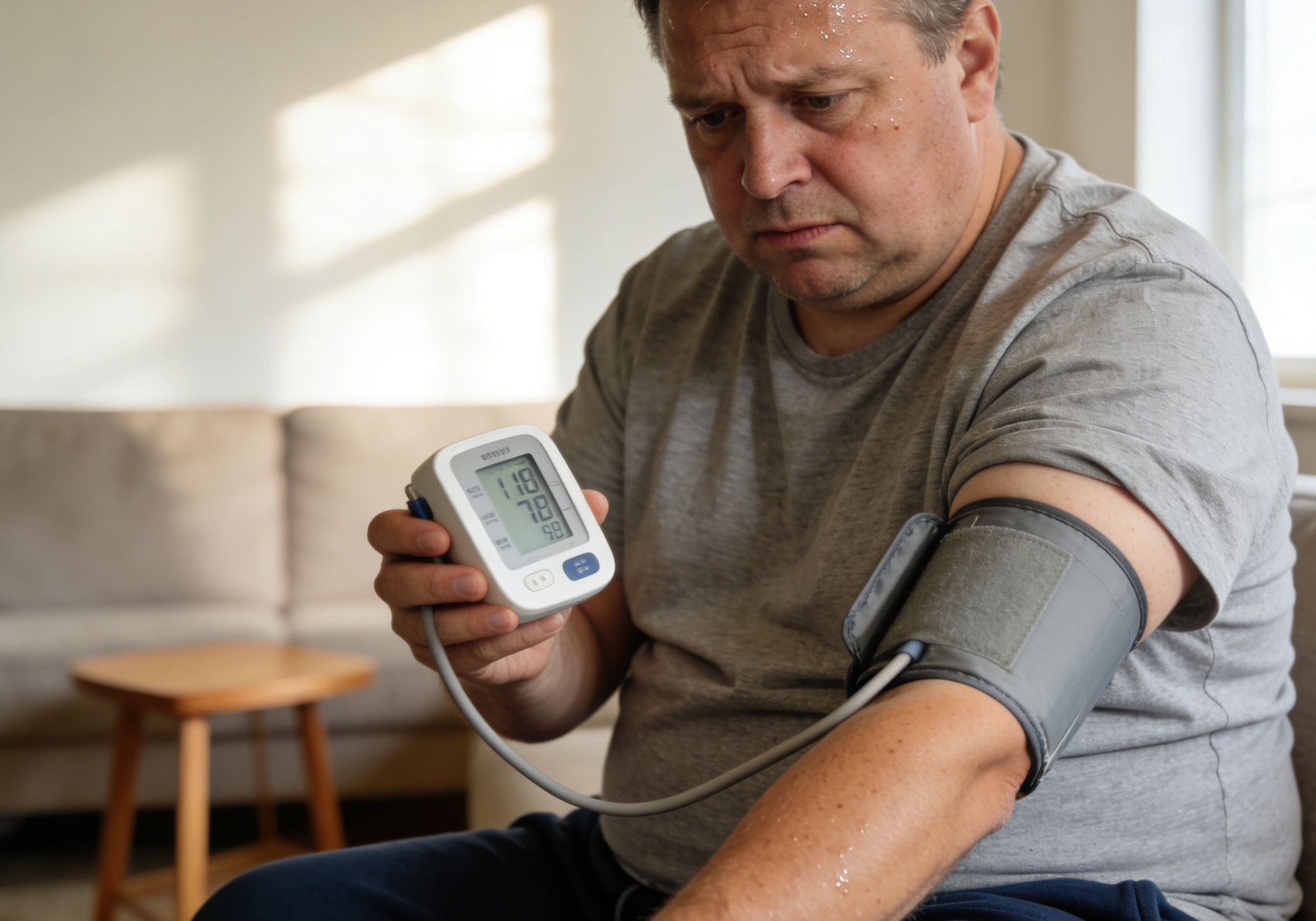
How does obesity lead to hypertension? An analysis of blood volume and hormone mechanisms.
This article explores the close link between obesity and hypertension, revealing that obesity may lead to elevated blood pressure through mechanisms such as increased blood volume and hyperinsulinemia. Understanding the mechanisms by which obesity affects blood pressure helps to recognize the importance of weight control for cardiovascular health. Not all obese individuals will develop hypertension, but their risk is significantly increased.
2026-03-17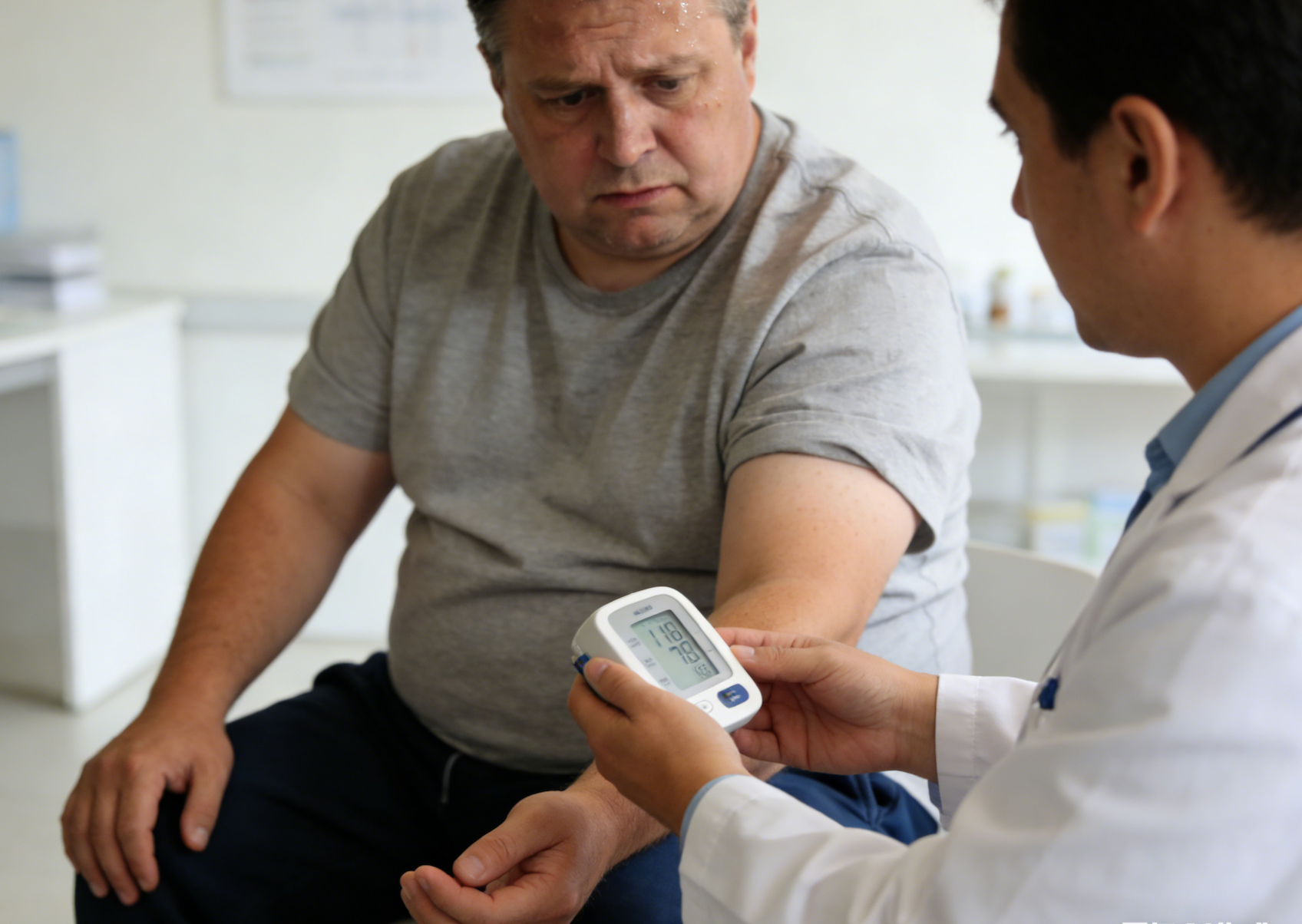
Unveiling the Epidemiological Link Between Obesity and Hypertension: Data and Risk Analysis
This article, based on epidemiological data, reveals a clear positive correlation between obesity and hypertension. Studies show that obese individuals, especially those with central obesity, have a significantly increased risk of developing hypertension, and this association is even more pronounced in younger populations. Weight control is one of the key measures for preventing and managing hypertension and its related cardiovascular complications.
2026-03-17