
Weight Loss and Belly Slimming: Traditional Chinese Medicine Acupressure Massage Regulates Spleen and Stomach and Reduces Edema
Massage for Belly Fat Reduction – Get Rid of Your Belly and Achieve a Slender Figure
The meridian system is a great discovery of our ancestors, and meridian theory is one of the cornerstones of Traditional Chinese Medicine. Internal organs are like a "pool," and meridians are the "sewage channels." Whether the pool functions properly depends entirely on whether the drainage channels are clear. When the drainage channels are blocked, substances accumulate, eventually leading to obesity. If the pool continues to be used, the foul-smelling, rotten wastewater will overflow, polluting other areas and potentially causing related diseases. Massage is an excellent technique for unblocking meridians, a golden key to health. It is not limited by environment or location, is simple to learn, time-saving, effective, and has no side effects. It is also very effective for those with abdominal obesity.
01. Massaging the Zhongwan acupoint, the abdomen will no longer be firm
It seems that "reducing belly fat" is not just as simple as "eating less" + "burning more calories." Some people eat a lot, are energetic, have plenty of strength, and seem to never gain weight, claiming they "eat as much as they want without worrying about it."
Others, however, eat little, have soft, flabby bellies, get breathless after just a few steps, sweat profusely with minimal exertion, and are quite overweight, claiming they "gain weight even from drinking water."
Do those who "eat without worry" actually not gain weight? Not really. Their food is well-digested, becoming vital energy, blood, essence, and spirit. You'll notice that these people tend to have firmer muscles, fuller blood vessels, and darker, shinier hair.
As for those who "gain weight even from drinking water," is it all "flesh"? Probably not. The "flesh" that "water" turns into is a kind of orange peel-like excess fat. How to solve this?
Let's return to the previous topic. From a Traditional Chinese Medicine perspective, the problem for these people lies in their spleen and stomach. When discussing this issue, everyone needs to carefully understand the word "digestion."
"消" means to dissipate, disappear, or decompose; "化" means to change, transform, or undergo chemical reactions.
If we associate "spleen and stomach" with "digestion," Traditional Chinese Medicine (TCM) believes that the stomach primarily functions as "消" (to dissipate), while the spleen primarily functions as "化" (to transform).
The spleen's role in transportation and transformation includes two aspects: First, it transports and transforms essential substances, absorbing nutrients from food and distributing them to the various organs and tissues of the five viscera and six bowels. The *Suwen* (Plain Questions) states, "When food enters the stomach, its essence and qi circulate and ascend to the spleen. The spleen disperses this essence, which then ascends to the lungs." Second, it transports and transforms fluids, coordinating with the lungs, kidneys, triple burner, bladder, and other organs to maintain the balance of fluid metabolism. If the spleen is weak and unable to transport and transform fluids, symptoms such as loose stools, heaviness in the body, and edema may occur.
Having read this far, do you feel like you've grasped the basics? The common saying "can't eat," originally a medical term, refers to poor stomach function, where food cannot be properly digested, leading to acid reflux, belching, chest tightness, and nausea. The idiom "食古不化" (shí gǔ bù huà), meaning "to be inflexible and unable to digest food," actually originates from a medical term. The original phrase, "食谷不化" (shí gǔ bù huà), describes a patient whose stomach function is relatively good, but whose spleen function is poor, resulting in indigestion and weakness in the limbs.
Therefore, your problem primarily requires strengthening your spleen and stomach function.
Here, we offer a highly effective acupoint for regulating the spleen and stomach—the Zhongwan acupoint. It's essential for expelling waste from the abdomen, especially the stomach, allowing the digestive system to function more efficiently.
Where is the Zhongwan acupoint? Located on the Ren meridian, specifically at the midpoint of the line connecting the solar plexus and the navel, it's the center of the stomach, hence the name Zhongwan (meaning "middle stomach"). This acupoint is unique, situated at the intersection of the stomach, large intestine, small intestine, bladder, Sanjiao (Triple Energizer), and gallbladder meridians. The summary of the Zhongwan acupoint in the book *Xun Jing* states: "It can cure all diseases of the spleen and stomach." This means that, with the right methods, the Zhongwan acupoint can treat all ailments of the digestive system.
In a belly-reducing class, a student clutched her stomach and refused to sit down during breaks, complaining of stomach discomfort. The doctor in the class told her, "Try pressing and rubbing the point exactly one hand's width above your navel, in the middle, with your index, middle, and ring fingers together. Don't apply too much pressure." She did as instructed. Within two minutes, she said she felt much better. The acupoint she pressed was the Zhongwan acupoint on the Ren meridian.
Besides treating digestive tract diseases, the Zhongwan acupoint also has another use: weight loss. In fact, one of the main causes of obesity is gastrointestinal dysfunction, so its ability to aid in weight loss is understandable.
A male patient, about forty years old, had a very bloated waist and dark circles under his eyes. He frequently suffers from gastroenteritis and has taken many Chinese and Western stomach medications over the past few years, with some effect, but the symptoms still easily recur. A few days ago, when he first came to the abdominal reduction class, he was weak all over, dizzy, nauseous, and generally weak – clearly symptoms of gastroenteritis, with some cold-like symptoms. He hoped the doctor could assist him with traditional Chinese medicine. It was obvious that if he didn't regulate his gastrointestinal function, the problem would be far more than just stomach ulcers and a large belly. Therefore, the doctor selected three acupoints to strengthen the spleen and stomach for him to massage.
The acupoints were evenly distributed; massaging the Tianshu acupoint can help digestion, relieve gas, promote intestinal peristalsis, and eliminate waste, and is of course more beneficial for eliminating lower abdominal fat.
Acupoint massage method and time: Lie on your back in bed every morning and evening. First, push and press from the upper abdomen to the lower abdomen 3-4 times, then massage the above 6 acupoints in sequence, massaging each acupoint for about 2 minutes.
Use the Fenglong acupoint well to eliminate excess water in your abdomen.
Are you trying hard to diet and control your appetite every day, but your weight remains unchanged? Even with daily workouts that leave you drenched in sweat, the results are still unsatisfactory. Or perhaps you weighed yourself yesterday and lost 1 kg, only to find yourself back to your original weight today?
This type of obesity is called edema obesity. The most prominent characteristic of this type is that even drinking water causes weight gain. This type of obesity is actually caused by poor water metabolism. Of course, many people suffer from this problem; a survey from Japan reported that over 70% of East Asian women suffer from edema obesity. For this type of obesity, neither dieting nor exercise is very effective. The ideal slim figure always seems unattainable.
At this point, you might be realizing that your biggest enemy isn't the amount of fat you imagine, but simply water retention. Therefore, you'll likely throw away all those diet pills and foods, because what you need isn't to lose fat, but to eliminate the water retention in your body.
Here, we recommend an acupoint—Fenglong (ST40). This acupoint is an important point on the Stomach Meridian, and it's related to many issues concerning the spleen and stomach.
A doctor once used this acupoint to help a young foreign man who came to live in Beijing lose his large belly. This 1.8-meter-tall man had come to Beijing more than three years ago to seek his fortune. Drawing on his years of experience in the Jamaican music scene, he worked as a DJ in Beijing bars and nightclubs, giving himself a very Chinese name, "Youli Le" (meaning "Polite"). Indeed, just by looking at his polite demeanor and fluent Mandarin, you would get a deep impression.
For some unknown reason, this young Spanish man, who initially weighed only 70 kilograms, became bloated and overweight after arriving in Beijing, his weight gradually exceeding 90 kilograms. He then sought out a doctor. His skin looked fair and smooth, and the flesh on his waist felt soft to the touch, clearly indicating edema-type obesity. Therefore, the doctor decided to treat him using acupoints such as Shuifen and Fenglong to reduce swelling. After less than one course of treatment, Youli Le's physical condition had already changed significantly. He had lost 5 kilograms. Therefore, it is evident that the Fenglong acupoint is very effective in eliminating edema-type obesity. You might not know that Fenglong is actually an onomatopoeic word,
referring to the sound of thunder, meaning that massaging this acupoint can expel dampness and turbidity from the spleen and stomach like thunder and rain.
After hearing the introduction to the Fenglong acupoint, are you, suffering from edema-type obesity, eager to try it? Of course, for those without any knowledge of Traditional Chinese Medicine, finding this acupoint is not easy. You need to slowly search along the anterolateral aspect of the lower leg, 8 cun above the tip of the lateral malleolus, two finger-widths lateral to the tibia. Be patient in finding the acupoint; try pressing around the acupoint in all directions, and find the most sensitive point.
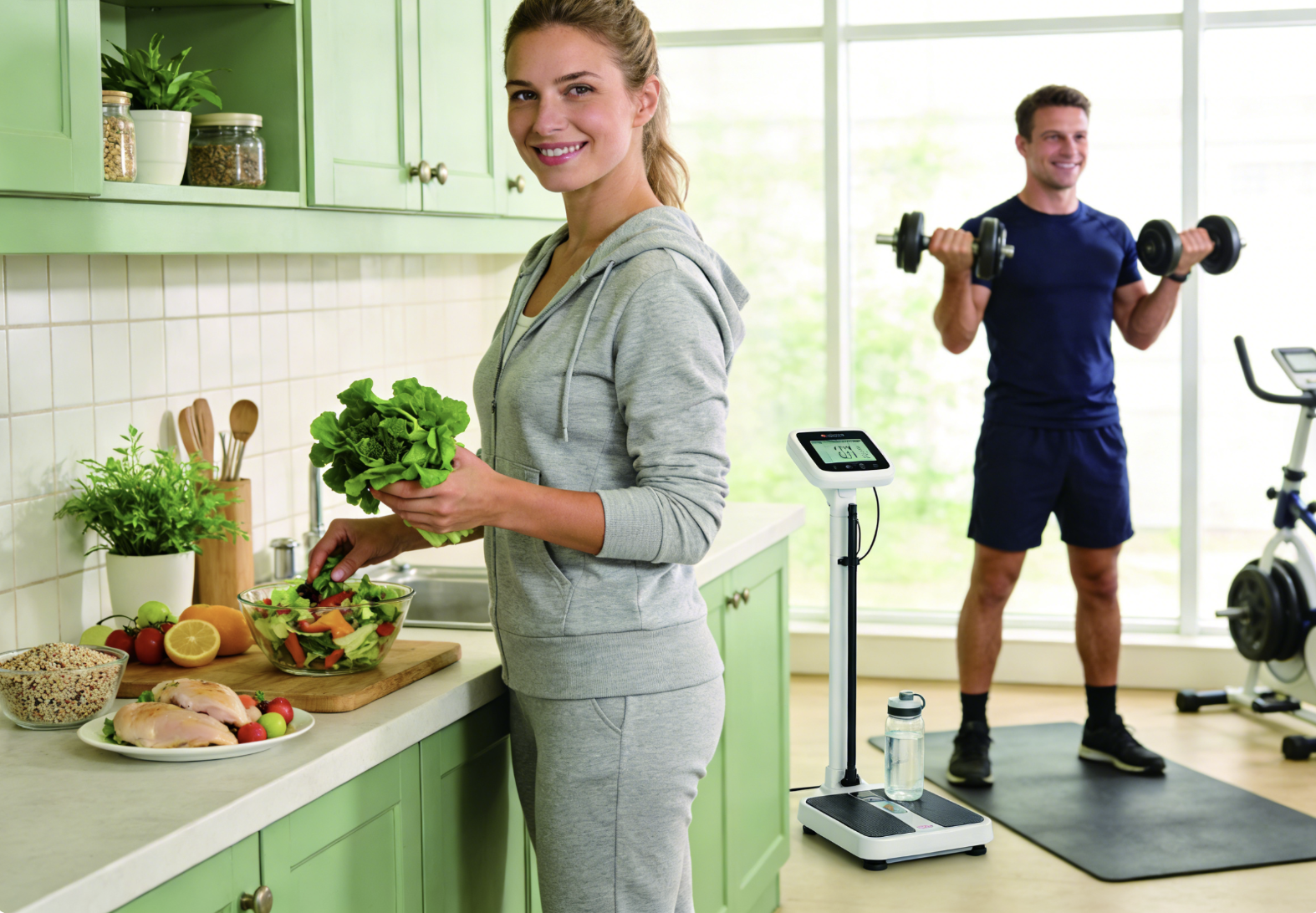
Weight Loss and Belly Fat Reduction: Develop Good Eating Habits and Say Goodbye to a Big Belly
Learning to chew slowly, eat until you're 80% full, avoid overeating and leftovers, and develop healthy eating habits can help with weight loss and protect your digestive system. Adhering to good habits makes weight loss easier and more effective.
2026-03-27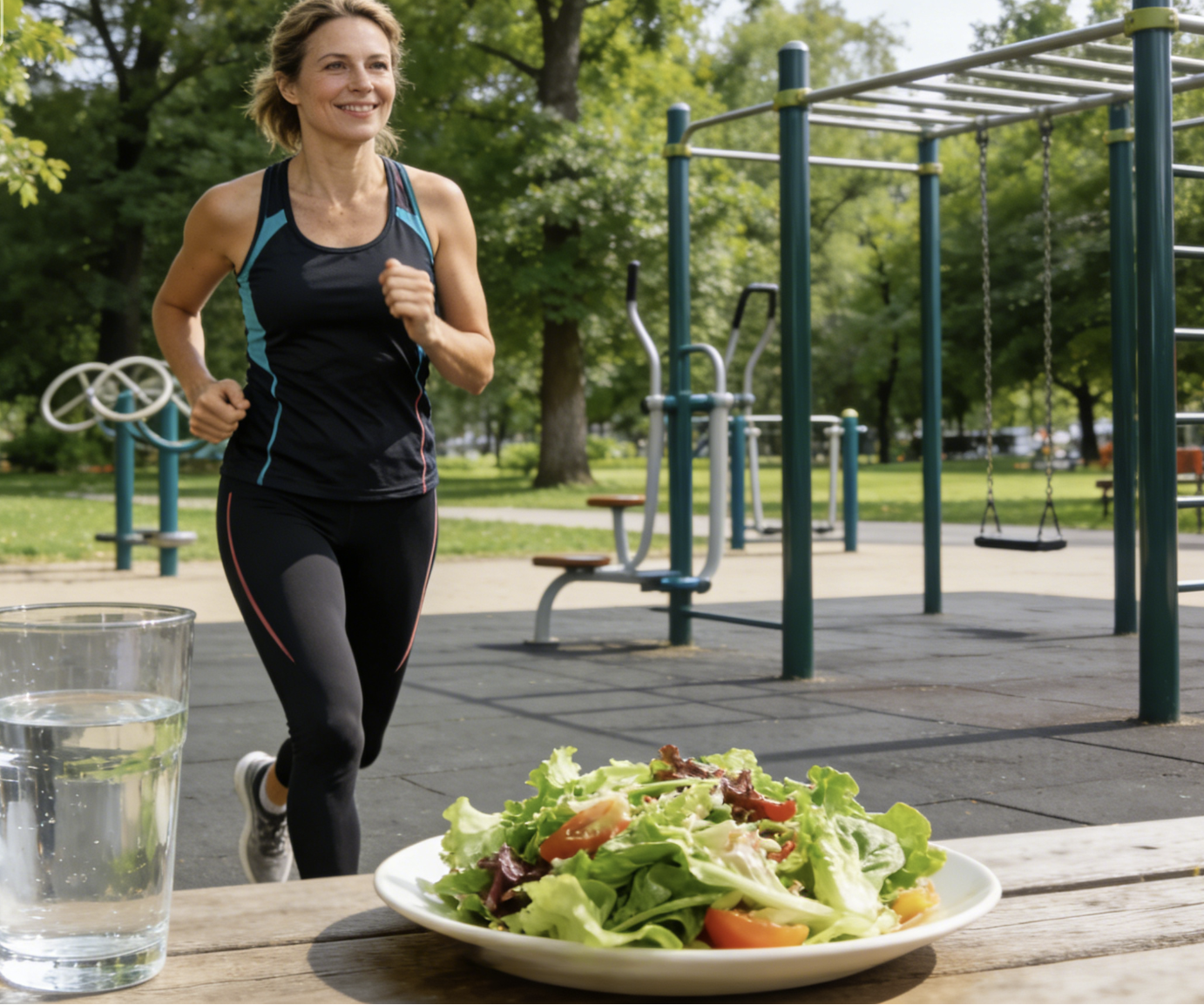
Weight Loss and Belly Slimming: Quit Late Night Snacks and Smoking, Develop Healthy Lifestyle Habits
Quitting late night snacks and smoking, combined with early bedtimes and regular meals, can effectively help with weight loss, avoid weight-gain traps, and maintain a scientific lifestyle for smoother weight loss and more noticeable belly slimming.
2026-03-27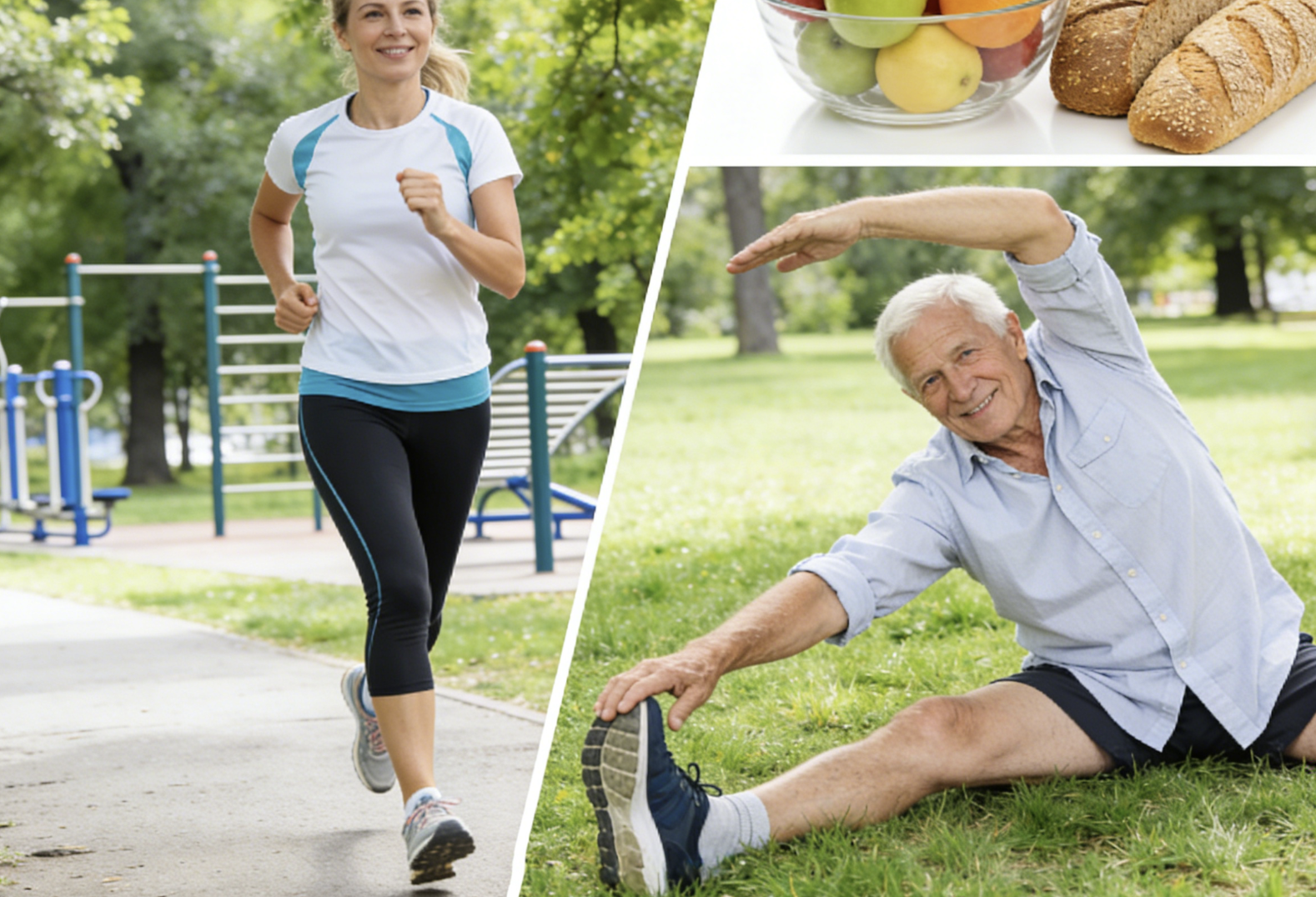
Weight Loss and Belly Slimming: Practical Methods of Traditional Abdominal Massage for Waist Reduction
Consistent scientific abdominal massage can promote gastrointestinal motility, eliminate abdominal fat, and aid in weight loss. Mastering the correct techniques makes weight loss gentler and more effective, easily achieving a flat stomach.
2026-03-27