
Low-insulin diet and exercise plan: Achieving efficient fat burning when combined with a diet plan.
The following is a recommended moderate-intensity workout routine suitable for use with a low-insulin diet for weight loss, performed 3-4 times per week.
Sit-ups, side sit-ups, back extensions, double leg raises, leg stretches**
20 reps/set
25 reps/set
Performing these exercises beforehand helps muscles adapt and prevents injury during subsequent workouts.
Jump rope
Limb bends
Weighted exercises
20 minutes
20 reps/set
60 minutes
Consult a trainer before starting weighted exercises to determine the intensity and type of exercise based on your individual needs, and ask them to correct any posture errors.
Jogging 40 minutes
Brisk walking:40 minutes
The time for the above two items is the same, but energy expenditure is related to distance rather than speed. Extend your workout time as much as you can!
Dancing:60 minutes
Cultivate poise while making your body more flexible, developing a sense of rhythm and understanding of music, and improving coordination and agility.
60 Minutes of Yoga
A stretch from head to toe, bringing joy to both body and mind—this is one of the benefits of yoga; weight loss is secondary.
Methods Not Following a Diet Plan
"Too busy with work, how can I have time to cook?"
"The method is good, but we eat in the cafeteria every day. Are there any suitable options for us college students?"
"So many social engagements, impossible to avoid! What should we do?"
"My husband and I don't want to lose weight; being healthy is more important than anything. What should we pay attention to?"
"The whole family eats together; you can't just eat whatever you want. How can you take care of your family?"
We deeply understand the pain of wanting to try but not knowing how. This amazing plan welcomes you!
If you can't follow our carefully crafted diet plan, or don't want to lose weight drastically, no problem! You need to go back to the principles section, memorize the principles of the low-insulin diet, and then apply them to your life. It will just take longer, but you will still reach your ideal weight and achieve good health.
You will be facing more temptations over a longer period, so we feel obligated to offer you a few tips:
First, remember the most practical point: strictly control your carbohydrate intake.
Second, try to buy foods with a low glycemic index. Especially in front of the tempting supermarket shelves, do you really want cakes and pasta—those dreaded, irresistible "junk" foods—to occupy your kitchen every day?
Third, learn to say no to sugar. Remember: low sugar! Moderation! Reject sugary fruit and vegetable drinks. Many people don't realize that sugar is what's causing them so much suffering; it's time for us to be more selective.
Fourth, control the types and quantities of staple foods, and learn to eat selectively and in moderation.
Fifth, eat on time and in appropriate portions. Chew slowly and thoroughly, avoid overeating, and don't eat in front of the TV or computer.
Sixth, eat smaller, more frequent meals. Let your blood sugar levels calm down and avoid sudden spikes and drops that stimulate the pancreas.
Seventh, carry some healthy snacks with you, such as cheese or walnuts.
Eighth, drink plenty of water; limit alcohol and coffee consumption.
Ninth, you can eat fruit, preferably berries.
Tenth, pay attention to seasonings; don't let starch and sugar get in the way.
Eleventh, while a low-insulin diet is very effective, relying solely on diet and abandoning exercise is a regrettable choice.
When you are confidently and successfully implementing your low-insulin diet plan, your parents' birthday parties, friends' weddings, birthday celebrations, business dinners, etc., are waiting for you to attend…
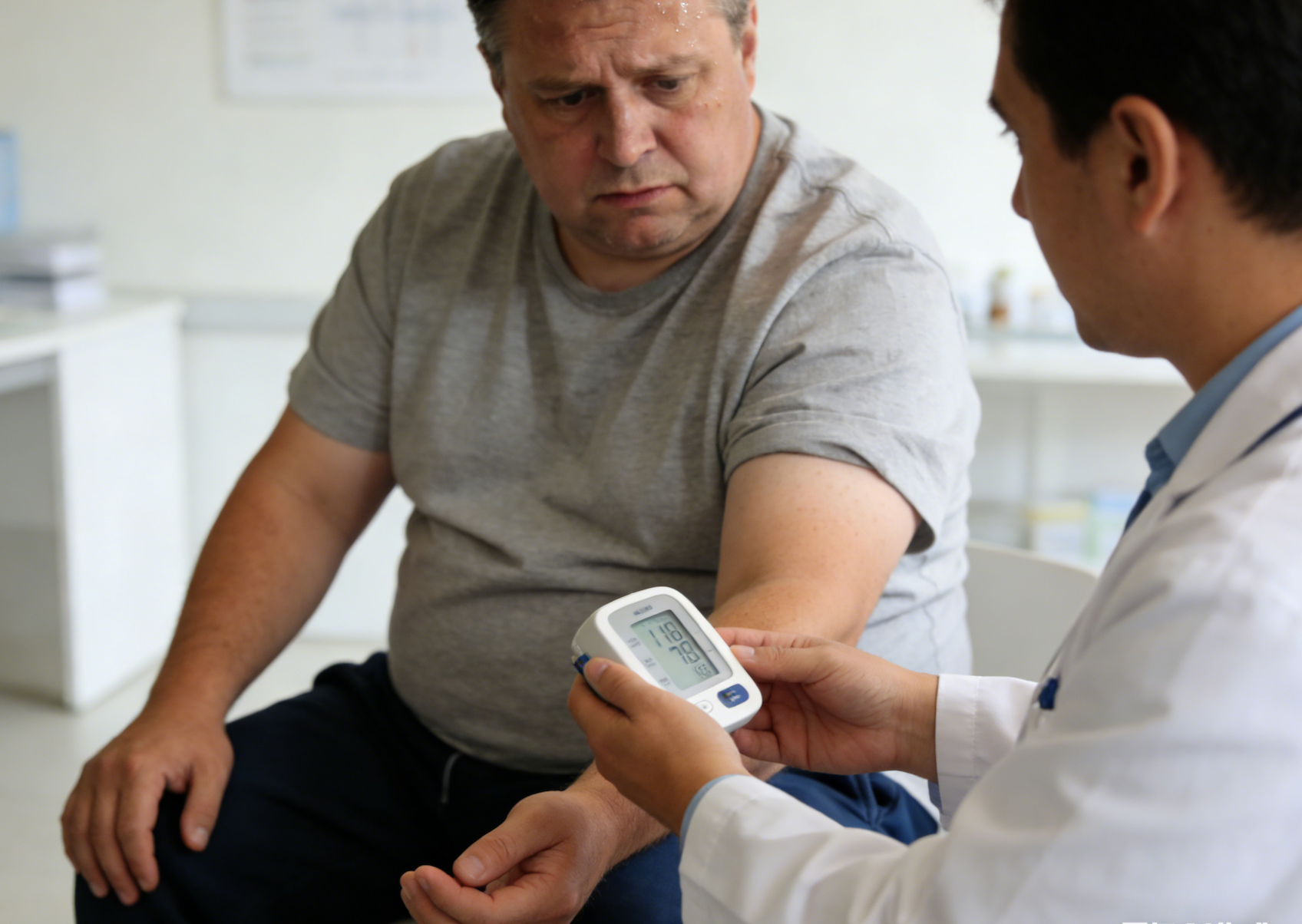
Unveiling the Epidemiological Link Between Obesity and Hypertension: Data and Risk Analysis
This article, based on epidemiological data, reveals a clear positive correlation between obesity and hypertension. Studies show that obese individuals, especially those with central obesity, have a significantly increased risk of developing hypertension, and this association is even more pronounced in younger populations. Weight control is one of the key measures for preventing and managing hypertension and its related cardiovascular complications.
2026-03-17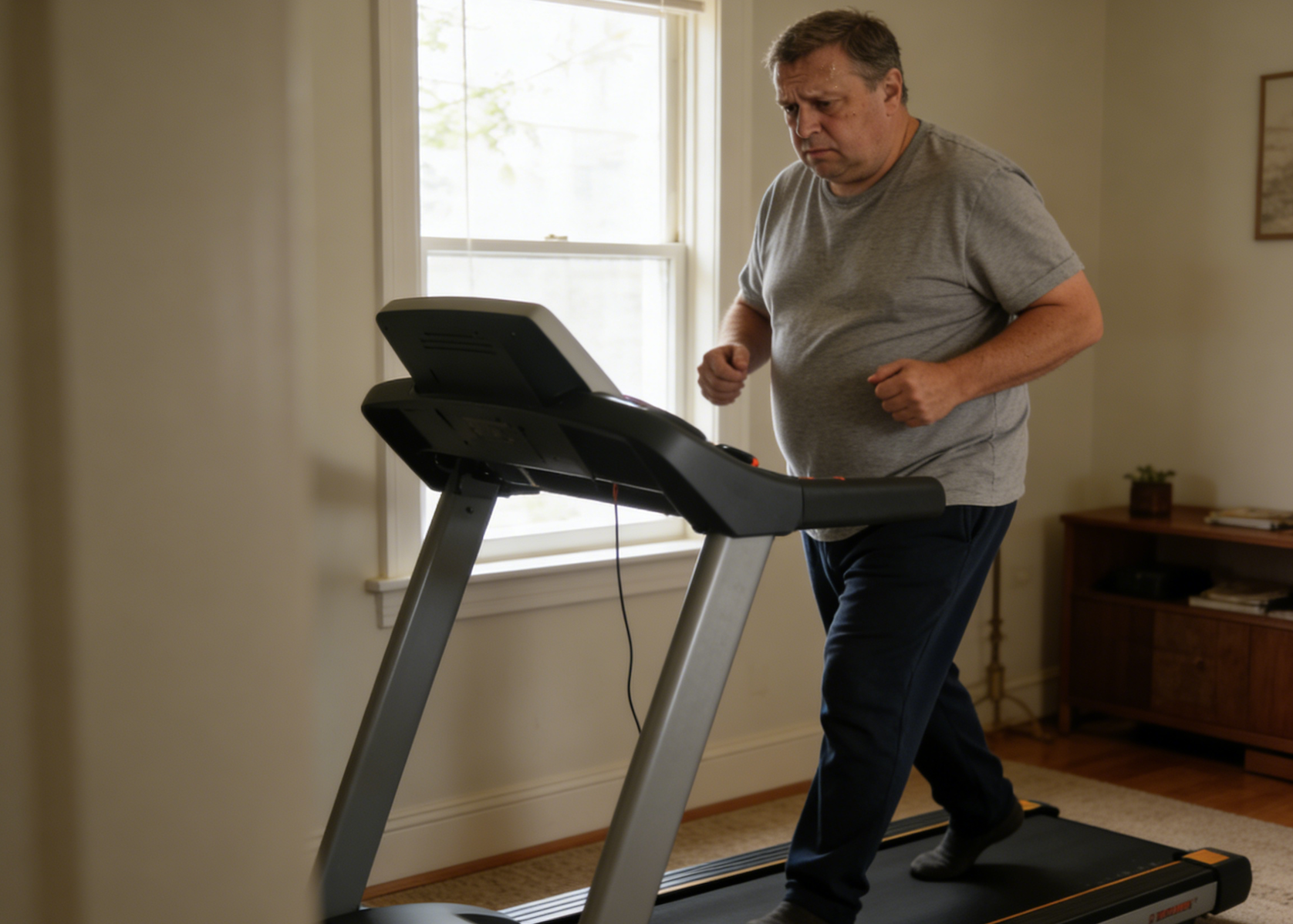
Scientific weight loss: effectively reduces the risk of obesity, high blood pressure, and coronary heart disease.
This article introduces treatment methods for obesity-related hypertension, such as diet control and exercise to achieve weight loss. It also analyzes how obesity increases the risk of coronary heart disease, emphasizing the importance of weight loss for cardiovascular health. Scientific weight management can effectively improve blood pressure and prevent coronary heart disease.
2026-03-17
Is obesity an independent risk factor for coronary heart disease? Can scientific weight loss reduce the incidence rate?
This article explains that obesity is not only an independent risk factor for coronary heart disease, but also indirectly increases the risk by raising blood pressure and blood lipids. Epidemiological studies have shown a positive correlation between weight gain and the incidence of cardiovascular disease. Scientific weight loss starting in adolescence is of great significance for the prevention of coronary heart disease.
2026-03-17