
Weight Loss: Regulating Appetite and Insulin, Scientific Diet Control for Easy Fat Reduction
Increased Appetite: An imbalance in brain chemicals can increase appetite, and the same can happen with imbalances in gut chemicals. For example, the hormone insulin normally ensures that blood sugar is delivered to the cells that need it. However, in some women, insulin is ready to be released, but it cannot transport the sugar out of the blood. This leads to the body constantly secreting more and more insulin to maintain normal blood sugar levels. High insulin levels can significantly increase appetite, reduce the amount of sugar used for energy, and increase fat storage; this condition is called insulin resistance.
Suppressing Innate Appetite:
Even if you are born with low serotonin levels or insulin resistance, you can still control your appetite. Here's how:
Eating Chocolate: Dr. Dickstein believes that if you don't have diabetes, allergies, or other conditions that restrict your chocolate consumption, eating small amounts of dairy-free chocolate can cause the body to produce large amounts of serotonin and other feel-good brain chemicals. Consuming a small amount of dairy-free chocolate before menstruation can be very effective as a self-treatment. Studies also show that the fat in this dairy-free chocolate is different from other fats; it won't have any adverse effects on your heart, and as long as you consume it in moderation, it won't interfere with your diet.
Don't drink alcohol. Professor Dixton says: Alcohol reduces serotonin levels in the brain. If you don't drink, don't try it; if you do drink, try to quit.
Control your appetite. Professor Dixton says: Exercise has more than one benefit; it can increase serotonin levels and also increase the body's sensitivity to insulin.
Eat carbohydrates for breakfast. In laboratory animals, scientists have found that brain secretions that stimulate carbohydrate absorption peak in the morning. Dr. Sarah Reibovitz, an expert in behavioral and neurobiology, suggests: A carbohydrate-rich breakfast can meet the body's carbohydrate needs and help maintain a stable weight. Whole-wheat pancakes and oatmeal are scientifically sound breakfast choices; try to avoid eggs and bacon.
Eat Sugar in Moderation
Nutrition expert Elizabeth Sommer, author of *Women's Nutrition, Food, and Mood*, believes that after the body ingests carbohydrates, the digestive system breaks them down into simple sugar molecules, which are then transported into the bloodstream. Once sugar molecules are present, insulin secreted by the pancreas delivers them to cells that need sugar. If you consume too much sugar at once, the pancreas produces excessive insulin, causing your blood sugar levels to drop rapidly, leading to fatigue, irritability, and increased appetite. You don't need to completely eliminate your favorite sweets from your diet; simply avoid indulging in large quantities at the same time.
Eat More Fiber-Rich Foods
Eating soluble fiber can reduce your appetite and lower your body's sensitivity to insulin after meals. Normally, insulin secretion increases after meals, but soluble fiber reduces this secretion. Therefore, you should eat more barley, corn, oat products, beans, apples, citrus fruits, and root vegetables.
Deceiving your taste buds: The range of foods you encounter in daily life determines which foods you will be interested in. If you currently enjoy broccoli, it may be because you ate a lot of cauliflower as a child. Dr. Hansen says, "Many eating habits are formed in childhood and are also influenced by those around us." She adds, "How much you can eat of your favorite foods and how much you like them are influenced by genes. This is why twins with different diets can still have similar weights and body shapes." Dr. Deborah Bowen, a psychologist at the Seattle Cancer Research Center, has studied women's food preferences. She found that when women try to avoid high-fat and high-sugar foods, they lose interest in these foods. Here are some suggestions:
Give yourself a few months. Changing eating habits takes time. To reduce your daily fat intake, you must be gradual and patient. In fact, studies have shown that it takes up to three months to break a habit, and most women's habits involve eating high-fat foods.
Concentrate on suppressing one high-fat food at a time. This can gradually reduce your intake of high-fat foods. For example, if you used to eat fried chicken three times a week, try eating it once a week. If you do this, try... Replace fried chicken with smoked chicken! Also, eat more fruits, vegetables, and whole grains. If you usually eat a large slice of fruit, now eat an apple after your meal!
Delaying Tactics: When you feel an urgent need to eat something high in fat, wait 10 minutes. If you're not particularly hungry, this strong urge will subside soon. This is advice from Linda Crawford, an expert on eating behaviors in Green Hills, Vermont, specializing in health and weight management.
Distraction: When you feel your appetite stirring, do something that requires concentration. This can distract you from food. Crawford suggests going for a walk, cycling, trimming your nails, or playing with children.
Don't Create Opportunities: Avoid snack shops to avoid the temptation of delicious food. As Crawford says, "Out of sight, out of mind." "
Savor your food carefully.
Carefully consider how much high-fat food you can allow yourself to eat, and then savor its flavor. Hiding your ice cream from your sight is not a good idea. Instead, use a small spoon to scoop out a suitable amount of ice cream, savor it slowly, satisfy your appetite, and continue living your life!"
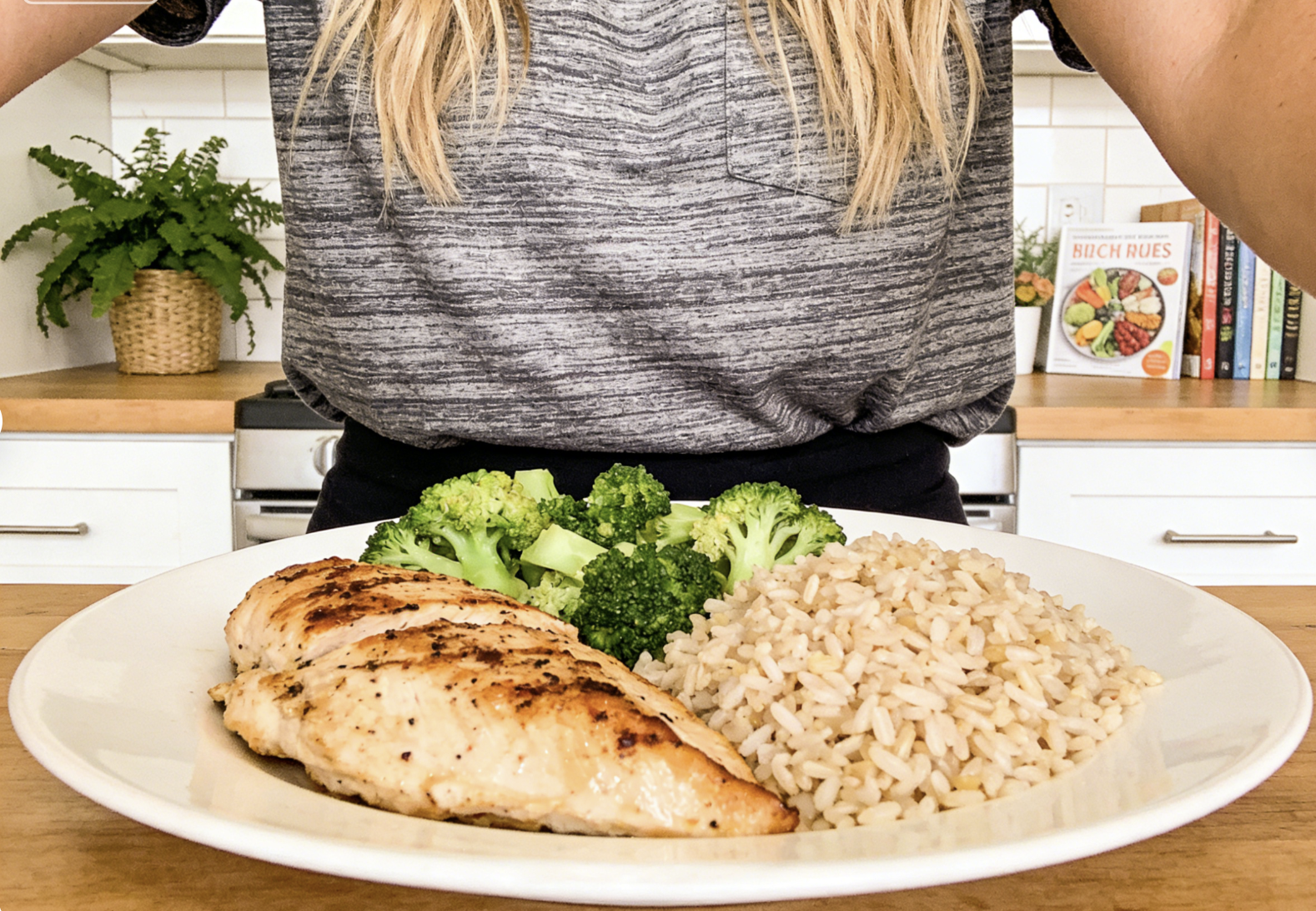
Post-Meal Weight Loss Strategies: Healthy Habits After Eating + Optimal Exercise Timing
Standing, massage, and brisk walking after meals can aid weight loss. Choosing the right exercise times—such as in the morning on an empty stomach—can boost fat-burning efficiency. Mastering these simple methods makes weight loss easier and more effective.
2026-03-26
Weight Loss Exercise Guide: Optimal Timing and Long-Term Motivation Strategies
Selecting the right morning, afternoon or evening exercise slot can enhance fat-burning efficiency. This guide teaches you how to establish consistent workout times, cultivate self-motivation and create plans to sustain long-term commitment, enabling efficient and safe weight loss.
2026-03-26
Weight Loss and Fitness Tips: Use a Mirror to Perfect Your Form and Boost Training Results
Using a mirror during weight loss and fitness training helps correct posture, prevent muscle asymmetry, and motivate you to complete extra sets. This enhances training efficiency, making weight loss safer, more effective, and easier to sustain.
2026-03-26