
Weight Loss: Understanding the Genetic Patterns of Obesity and Scientifically Combating Genetic Influence
Researchers in the laboratory once isolated a genetic substance from mice that increased appetite and slowed metabolism. This substance was later found in humans, but it has now been proven not to cause obesity.
Now, although the work of exploring how genes make us fat has just begun, scientists speculate that genes that enabled people to store energy to survive famine have been inherited from generation to generation. These genes allow people to consume more calories and store them when food is plentiful, and then consume fewer calories to help the body survive during periods of food scarcity.
Dr. Hansen said, "It is very likely that complex interactions between multiple genes with similar properties in women's bodies lead to obesity."
Who inherits the obesity gene? Dr. Hansen said, "To find out, just look at a picture of your ancestors."
If you have indeed inherited the obesity gene, you will be more prone to obesity than women who do not have this gene. Furthermore, your appetite, dietary preferences, and metabolism may also be inherited from your genes, making weight gain almost inevitable. However, you can reduce the influence of genetics. If you want to lose weight and achieve a slim figure, here are some things you need to know.
Why don't you miss mealtimes?
You might think that you don't feel hungry when your stomach is full, but you feel hungry when it's empty. However, our appetite is not that simple. Our digestive system has nerves like telephone lines, where complex substances communicate with each other and transmit this information to the brain via nerves. The brain then relays this information back to the digestive system via nerve lines.
During digestion, the concentrations of stomach acid, blood sugar, and insulin on the sidewalls of the stomach and intestines change. These substances communicate with each other through receptors at nerve endings. This information is then transmitted by nerve tissue to the hypothalamus of the brain, where it is deciphered. Depending on the content of the deciphered information, the brain secretes different chemicals called neurotransmitters. Different substances in this substance can trigger different messages in the brain, such as, "I can't eat anymore," "Give me some more!", "Give me some chocolate cake right now!"
Sandy Evans was born into a family with a history of obesity. She was very thin when she was nearly 30, but later she began to work on maintaining her weight. She recalled that her family never lacked homemade desserts. Once, at a gathering of many of her mother's relatives, she discovered she was the only relatively thin person. She also noticed a striking similarity among her aunts and cousins: they all had thick legs and large hips. Could she be like them?
Of course, it wasn't impossible. As Sandy clearly saw, obesity was a trait passed down through generations in her family. She might have been fortunate enough not to inherit such genes. But the fact is, she inherited them. However, if she had exercised more, eaten low-fat foods, and avoided the delicacies her cousins loved, she might not have looked like her relatives. Unfortunately, for many women like Sandy, their appetite is the culprit behind their obesity.
As you know, our ancestors pass on genes to us, which largely define our appetite and metabolic function. In other words, genes largely determine our weight because they influence our appetite for food. At the same time, if your metabolism is somewhat slow, you should try to speed it up to fight against your genes; this is why if a mother is obese, her daughter is likely to be too.
The role of genetics in making you obese depends on your ethnicity, manifesting in two ways: the genes you inherit and your environment. Traveling around Europe, you can observe which ethnic groups are more prone to obesity. The good news is that some people slip through the net of obesity genes. If you are Swede, you are likely to be blonde and blue-eyed, but not all Swedes are, and similarly, we cannot say that all blonde-eyed people are Swedes; the relationship between weight and ethnicity is similar. Since Sandy is struggling with her weight, her unfavorable genetics present a good opportunity. The effects of genetics manifest at different stages of life. If she finds that her eldest aunt is the heaviest at family gatherings, she's likely to gain weight as she gets older. If she finds herself the thinnest among her cousins, then her efforts are paying off. Naturally, she can't indulge in her favorite foods like her naturally slim friends. She can't be so indulgent, worrying about their impact on her figure, but she doesn't have to end up like her cousins either. Eating nutritious, low-fat foods, plenty of fruits and vegetables to control her diet, and boosting her metabolism through aerobic exercise will make her the slimmest member of the family.

Liposuction Explained: Scientific Weight Loss Methods from Tumescent to Ultrasonic Technology
Liposuction is an effective surgical method for reducing localized fat deposits. This article analyzes its technological evolution from wet and dry liposuction to tumescent and ultrasonic liposuction, revealing how different methods help achieve precise fat reduction and body contouring. As a scientifically sound adjunctive weight loss method, understanding its principles and development helps patients make appropriate choices.
2026-03-12
Detailed Explanation of Wet Liposuction: A Traditional Surgical Method for Scientifically Achieving Localized Weight Loss
Wet liposuction is a traditional fat removal procedure suitable for localized fat reduction in patients with mild to moderate obesity. This article provides a detailed analysis of its indications, preoperative examinations, and surgical instruments and materials, helping readers understand how to achieve effective weight loss through scientific methods and offering a reference for those seeking weight loss surgery.
2026-03-13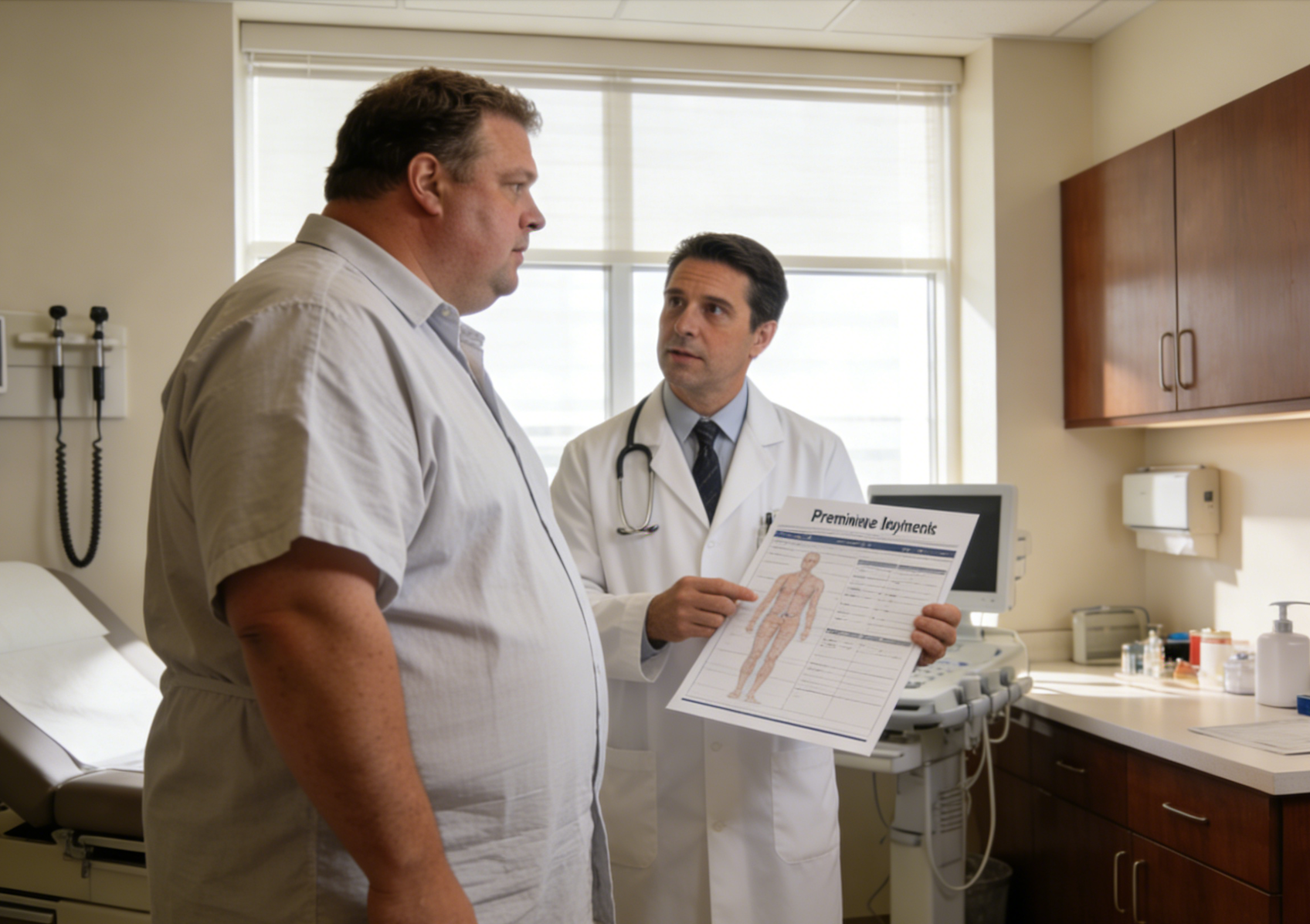
Detailed Explanation of Wet Liposuction Procedure: Scientific Weight Loss Surgical Process and Post-operative Care
This article provides a detailed analysis of the surgical procedure for wet liposuction, including anesthesia selection, incision design, and postoperative care. This surgical procedure effectively achieves localized fat reduction by precisely removing subcutaneous fat, making it a scientifically sound method for body contouring. Understanding the complete surgical steps and recovery process helps patients make informed weight loss decisions.
2026-03-13