
A Must-Read for Women After Weight Loss: A Complete Guide to Scientific Body Shaping and Curve Creases
For doctors, guiding patients to lose weight is primarily for health reasons—to control blood sugar, lower blood lipids, and reduce the risk of cardiovascular diseases. However, for most people trying to lose weight, the goal is to achieve a good figure, so in addition to reducing weight and fat, body sculpting is also crucial.
Most women face several follow-up problems after successfully losing fat. One is an unsatisfactory body shape; another is loose and dry skin; and yet another is that fat easily "returns" to areas of the body that are not easily exercised. These problems need to be addressed through body sculpting.
Building muscle won't turn you into a "muscle woman."
The essence of body sculpting is shaping muscle.
Fat is like an overcoat for muscles. If there's too much fat, the body looks like it's wearing a heavy coat, appearing bulky.
After appropriate fat loss, the shape of muscle is revealed. Muscle is different from fat. Fat is soft and has no fixed shape; muscle, on the other hand, has a certain firmness and a relatively fixed shape (some muscles are even named after their shape). Therefore, besides bones, muscles are the primary tissues that shape the body.
Four main areas determine a woman's curves: the breasts, waist, hips, and legs.
Let's start with the breasts and hips. Some men like to describe these two areas using the word "size," but this is a one-sided view. "Size" only indicates the size of the fat and muscle in the breasts and hips, but simply being large doesn't necessarily mean it's attractive. Fat is soft and doesn't have a shaping effect, and some poorly trained muscles also lack a pleasing shape. Many obese women have large breasts and hips, but they look like two water bags hanging on their bodies, which is very unattractive. Conversely, women with smaller but firm breasts and smaller but firm hips look much better than women who are simply "large." The reason why a firm breast and firm hips can be sculpted is because the pectoral and gluteal muscles have a pulling effect.
Besides the breasts and hips, the waist also needs to be sculpted. There is a muscle in the middle of the abdomen called the rectus abdominis. On either side of the waist are a pair of symmetrical muscles called the external obliques. For women's body shaping, both the rectus abdominis and external obliques need to be trained. While you don't need to develop every muscle to be clearly visible like a bodybuilder, they should be firm and toned to create a beautiful curve in the waist. Some women have a "barrel waist," appearing bulky in the abdomen, which is related to thin abdominal muscles.
Another area to train is the leg shape. While leg length proportions are genetic, leg definition can be sculpted. The thighs have a lot of muscle, including the quadriceps and hamstrings, so building muscle to sculpt thigh definition is very effective.
Some believe women shouldn't over-train, fearing they'll become "muscle women." In reality, when advising a woman to exercise, she might ask, "What if running makes my calves thicker? What if lifting dumbbells makes my arms thicker?" Here, I'll briefly explain further.
First, muscle is different from fat. Fat is easily broken down, while muscle is much harder to build. Fat loss can be achieved through a few months of regular exercise, while many bodybuilders require two to three years of high-intensity training to build muscle. Therefore, women generally don't need to worry.
Second, compared to men, women find it much harder to gain muscle. This is because women have lower levels of testosterone, which is crucial for muscle growth. Furthermore, women's muscles are naturally weaker and they have more fat, making it even harder for women to build muscle.
So, what happens when some women find their muscles bulging after exercising? This is simply muscle engorgement. Muscle engorgement makes muscles appear larger and firmer than before. After a period of rest, the muscles will return to their original size.
Therefore, women who are trying to build muscle after losing fat don't need to worry about becoming "muscle women."
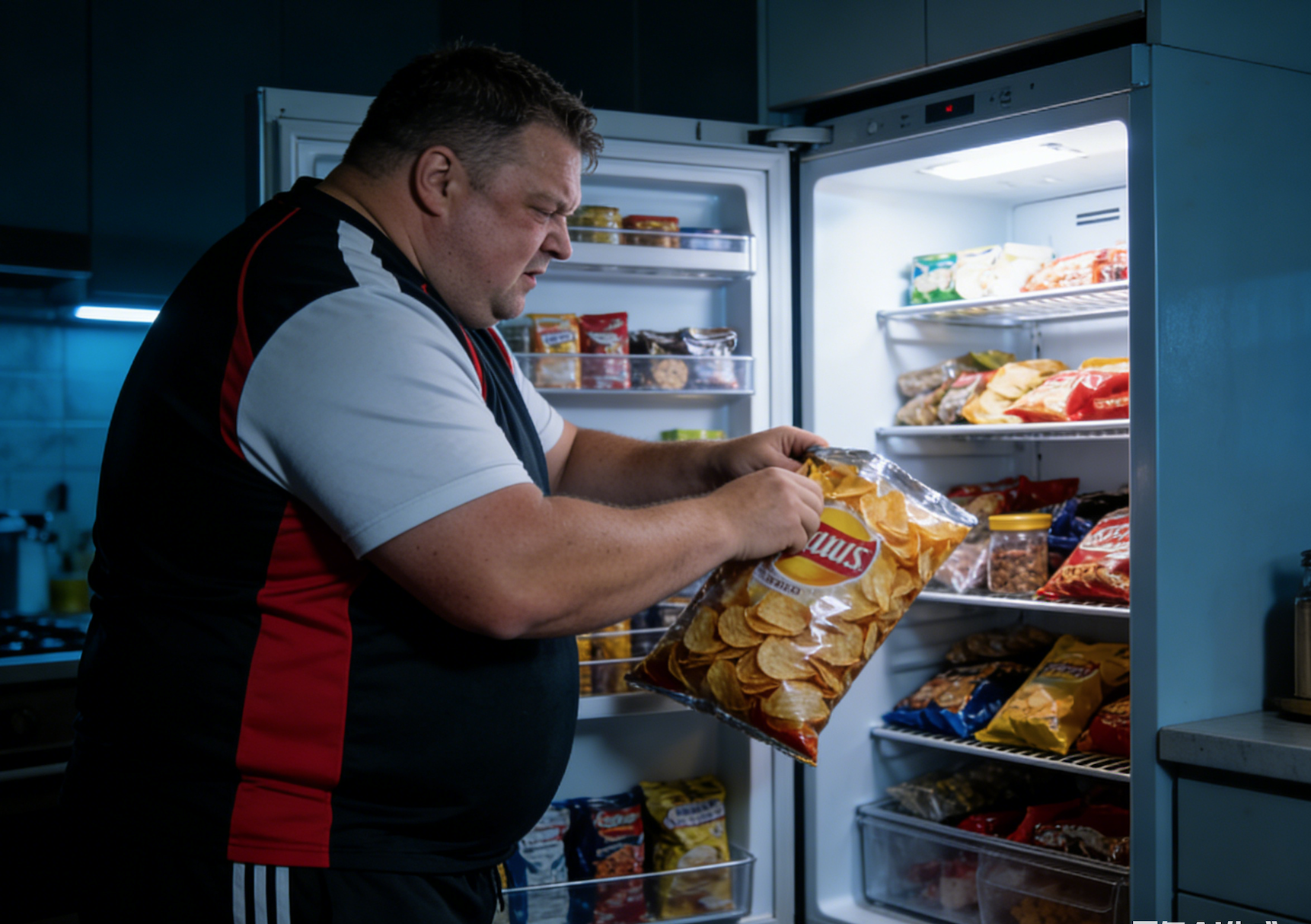
How do processed foods affect blood sugar? The secrets of the low-insulin diet for weight loss revealed.
This article explores how highly processed foods cause a rapid rise in blood sugar, leading to excess insulin and fat storage. A low-insulin diet can effectively control blood sugar and achieve healthy weight loss. Understanding this method can help you avoid highly processed foods, choose natural foods, successfully lose weight, and improve your overall health.
2026-03-24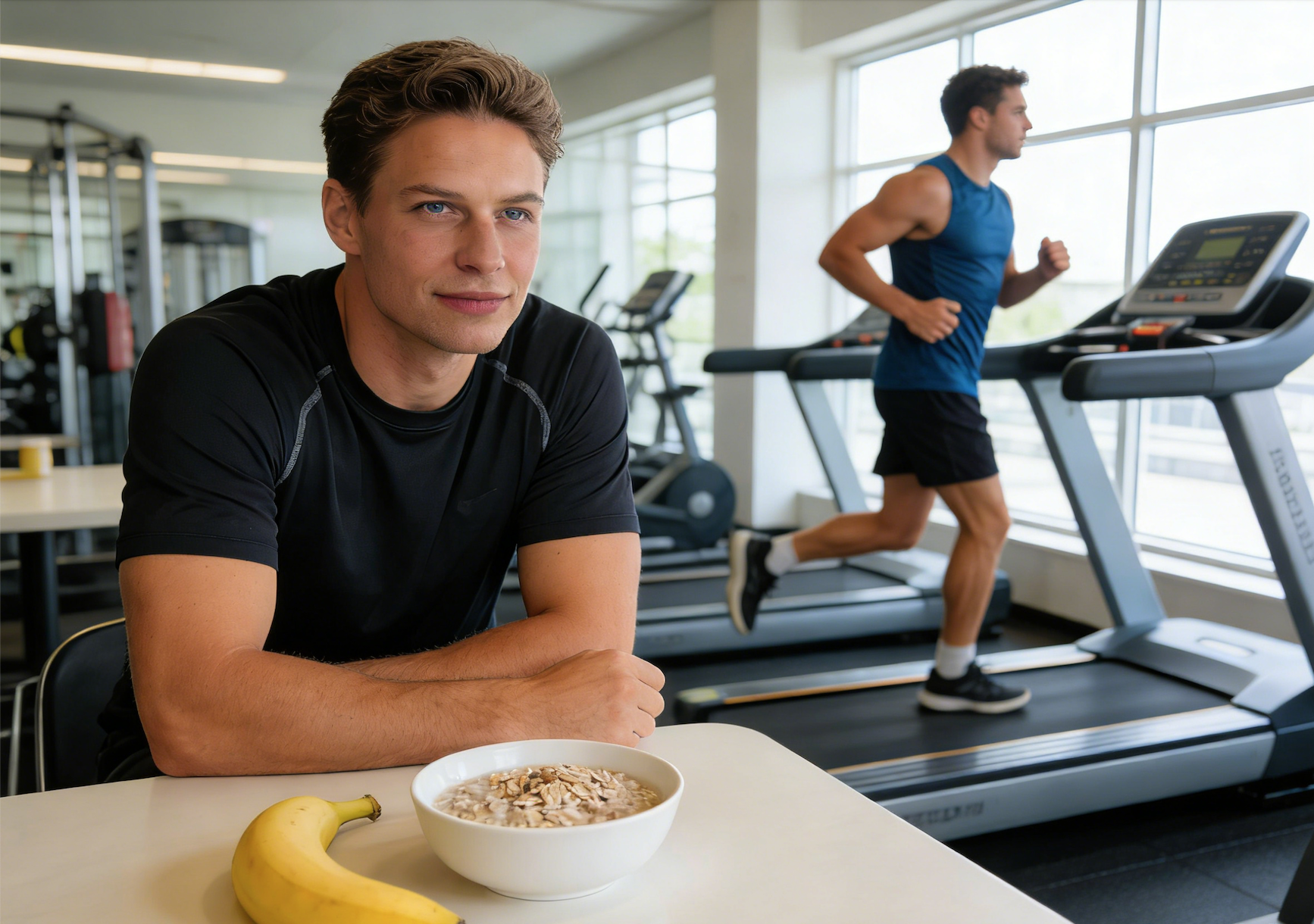
The relationship between glycemic index and insulin: How food affects blood sugar and health
This article analyzes the relationship between the glycemic index (GI) of foods and insulin secretion, explaining how high-GI foods rapidly raise blood sugar, stimulate massive insulin secretion, and increase the risk of fat storage. Understanding the glycemic index helps in choosing healthy foods, effectively controlling blood sugar and insulin levels, maintaining stable metabolism, and supporting long-term health management.
2026-03-24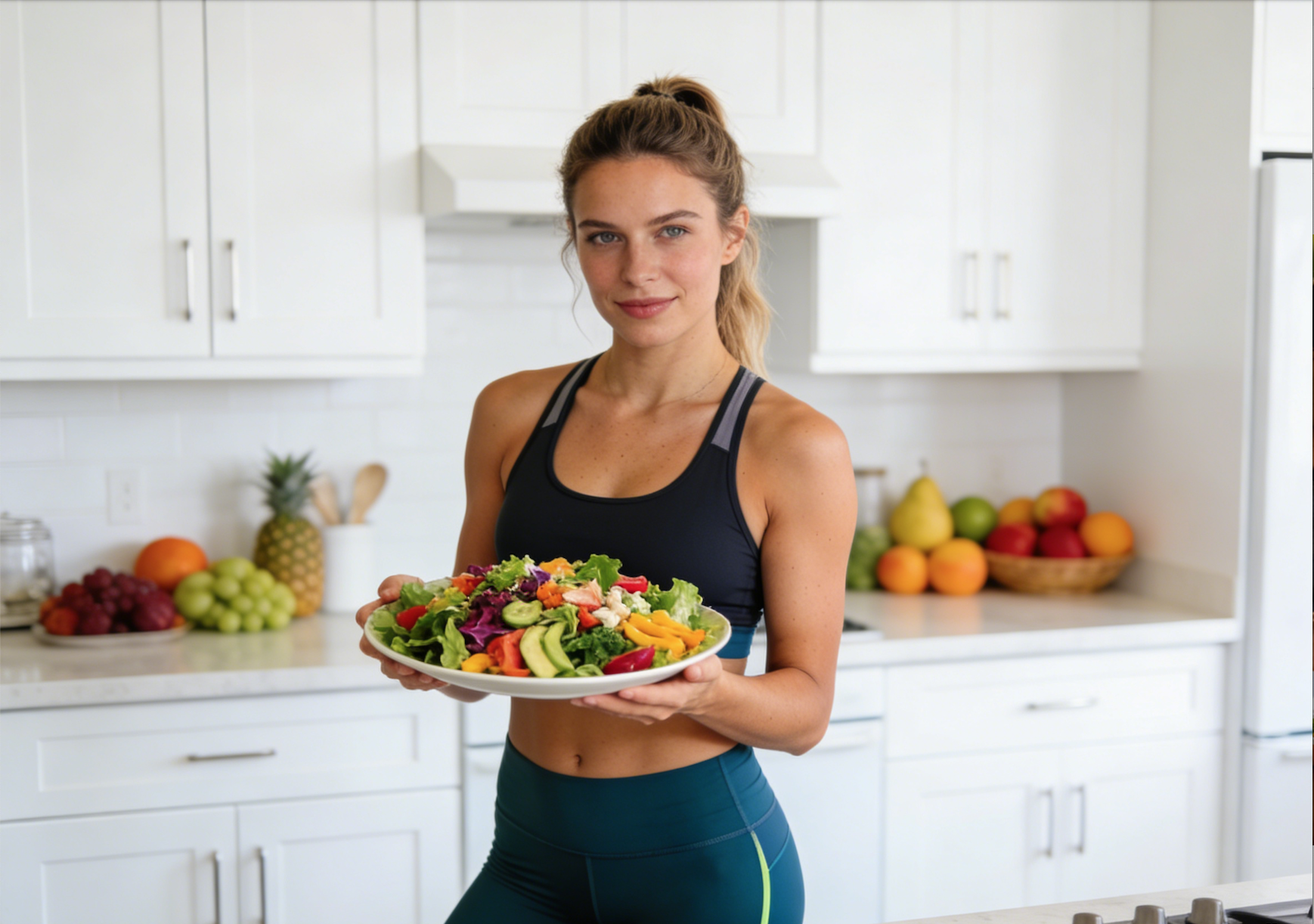
Weight loss diet guide: Choose low-GI foods based on their glycemic index.
This article guides you on how to choose foods based on their glycemic index (GI) to effectively control insulin secretion and achieve scientific weight loss. Understanding how to combine low-GI staple foods and vegetables in your meals and avoid high-GI foods is a key step in successfully losing weight and maintaining health, helping you easily achieve your weight loss goals.
2026-03-25