
Arm and Thigh Fat Removal Surgery: A Guide to Local Shaping and Weight Loss Surgery
Buttock and Thigh Fat Removal Surgery:
The areas in the lower limbs prone to abnormal fat accumulation are from the mid-thigh to the buttocks. Fat accumulation determines the shape of the buttocks, including concentrations at the iliac crest, near the greater trochanter, and at both ends of the gluteal cleft. Fat accumulation in the buttocks and thighs, affecting aesthetics and causing mobility issues, sometimes requires surgical removal. The incisions for fat removal in the buttocks and upper thighs are often connected, and the surgeries are frequently performed simultaneously.
(I) Surgical Indications
Buttock and thigh fat removal surgery primarily treats abnormal fat accumulation in the greater trochanter region.
Simple fat accumulation in the buttocks and upper outer greater trochanter of the thigh can be treated with liposuction. If accompanied by loose and sagging skin and fat, excess skin and fat need to be removed. Loose skin and fat on the anterior and inner thighs, and thick and sagging fat in the buttocks, often require surgical removal.
(II) Preoperative Preparation
In addition to the routine preoperative preparation for fat removal surgery, it is necessary to analyze the deformity of the buttocks and thighs and design a reasonable incision and removal range. Pubic hair should be removed one day before surgery, and a low-residue diet should be followed for three days before surgery. A cleansing enema should be performed on the day of surgery.
(III) Surgical Incision Design
Incision Locations: An anteromedial incision is made below the groin; a mid-thigh incision is made on the medial aspect of the thigh (longitudinal); and a buttock incision is made at the gluteal fold.
If there is fat accumulation in the greater trochanter, an incision can be designed from the lateral to the posterior aspect of the thigh, within the area to be covered by briefs. If the goal is to remove sagging skin on the anterior and medial aspects of the thigh, the incision should be designed in the groin and medial aspect of the thigh.
(IV) Surgical Procedure
Incise the skin and subcutaneous fat according to the incision design. Perform subcutaneous dissection in the area to be removed, ensuring a 5-10 mm fat layer is preserved above the deep fascia. Pull the dissected skin flap upwards, make a longitudinal incision on the flap, perform initial positioning sutures, and then remove excess skin and fat flap. Suture the subcutaneous fat and skin layer by layer, with the subcutaneous fat sutured in two layers. Place a negative pressure drainage tube in the incision and remove it 24-48 hours postoperatively. Secure the area with an elastic bandage under local pressure.
If there is a significant amount of subcutaneous fat accumulation in the vicinity, fat can be aspirated through an incision using a fine cannula.
(V) Precautions: Skin excision should be moderate. Minimize fat removal in the gluteal fold and groin area, while preserving fat in the greater trochanteric depression of the thigh to prevent excessive postoperative depression.
(VI) Postoperative Care: A urinary catheter will be left in place postoperatively. Bed rest for 5 days is required. Perineal cleaning and care should be maintained. A low-residue diet is recommended for two weeks. Avoid squatting for bowel movements; use a sitting position. Sutures will be removed in stages 7-14 days postoperatively. Strenuous activity is prohibited for one month postoperatively. Elastic bandages (elastic pants) should be used for compression and fixation for three months postoperatively.
(VII) Complications: The most common complication of buttock skin and fat excision is proliferative scarring. This should be clearly explained to the patient preoperatively. During surgery, the suture tension after flap excision should not be excessive; meticulous layered suturing can reduce scar formation. Lower limb edema is also common. Postoperatively, it is important to retain a thin layer of adipose tissue on the surface of the deep fascia to avoid damaging the lymphatic vessels. Postoperative elastic bandages or wearing elastic compression pants can help reduce swelling.
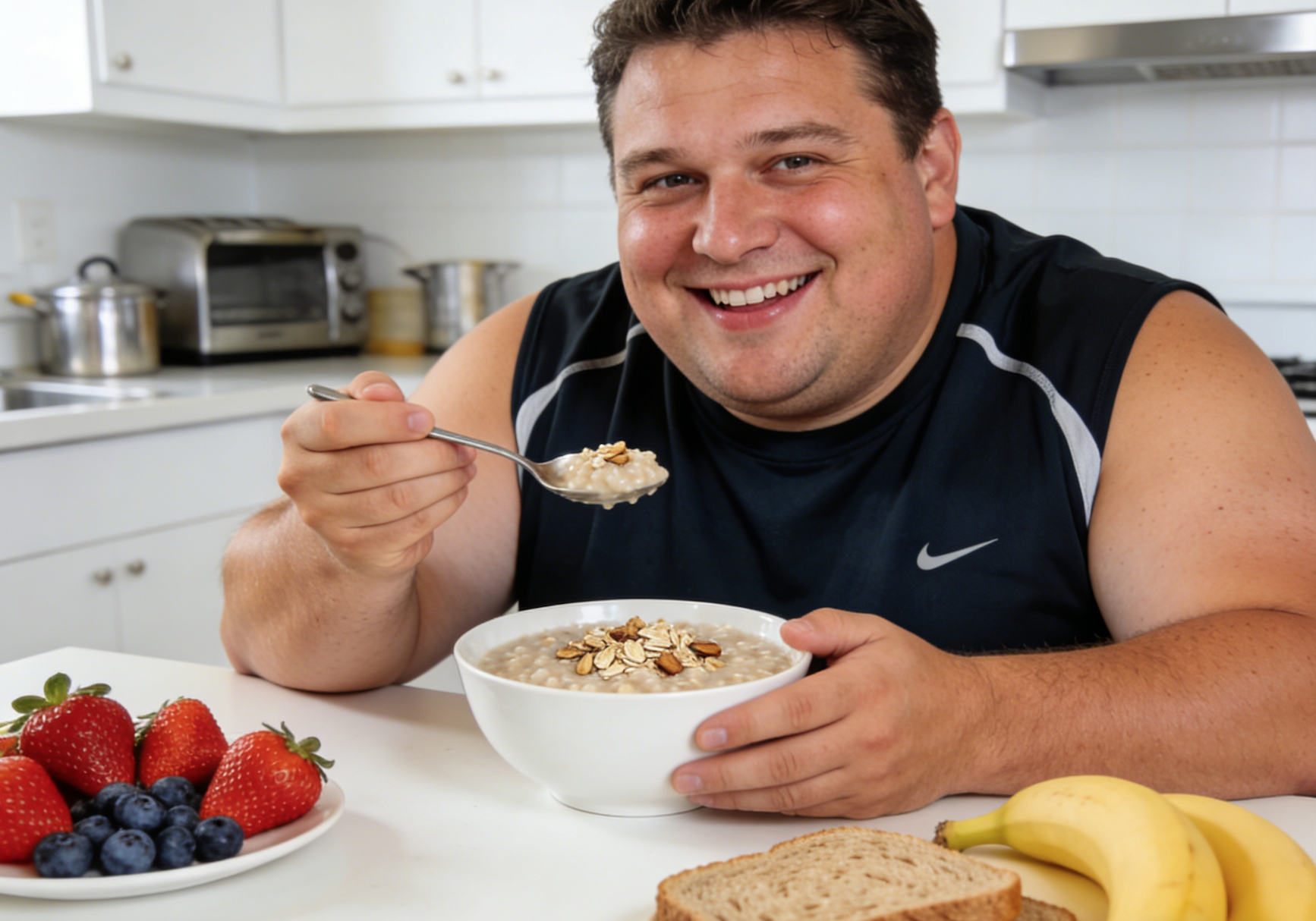
Could wheat be the culprit behind obesity? Scientific weight loss requires avoiding these foods.
This article reveals how wheat products stimulate insulin secretion due to their high sugar content, and how gluten triggers appetite, leading to obesity. Scientific weight loss requires reducing or avoiding wheat-based staple foods to lower the risk of insulin resistance and achieve healthy and effective weight loss, helping you manage your weight more easily.
2026-02-02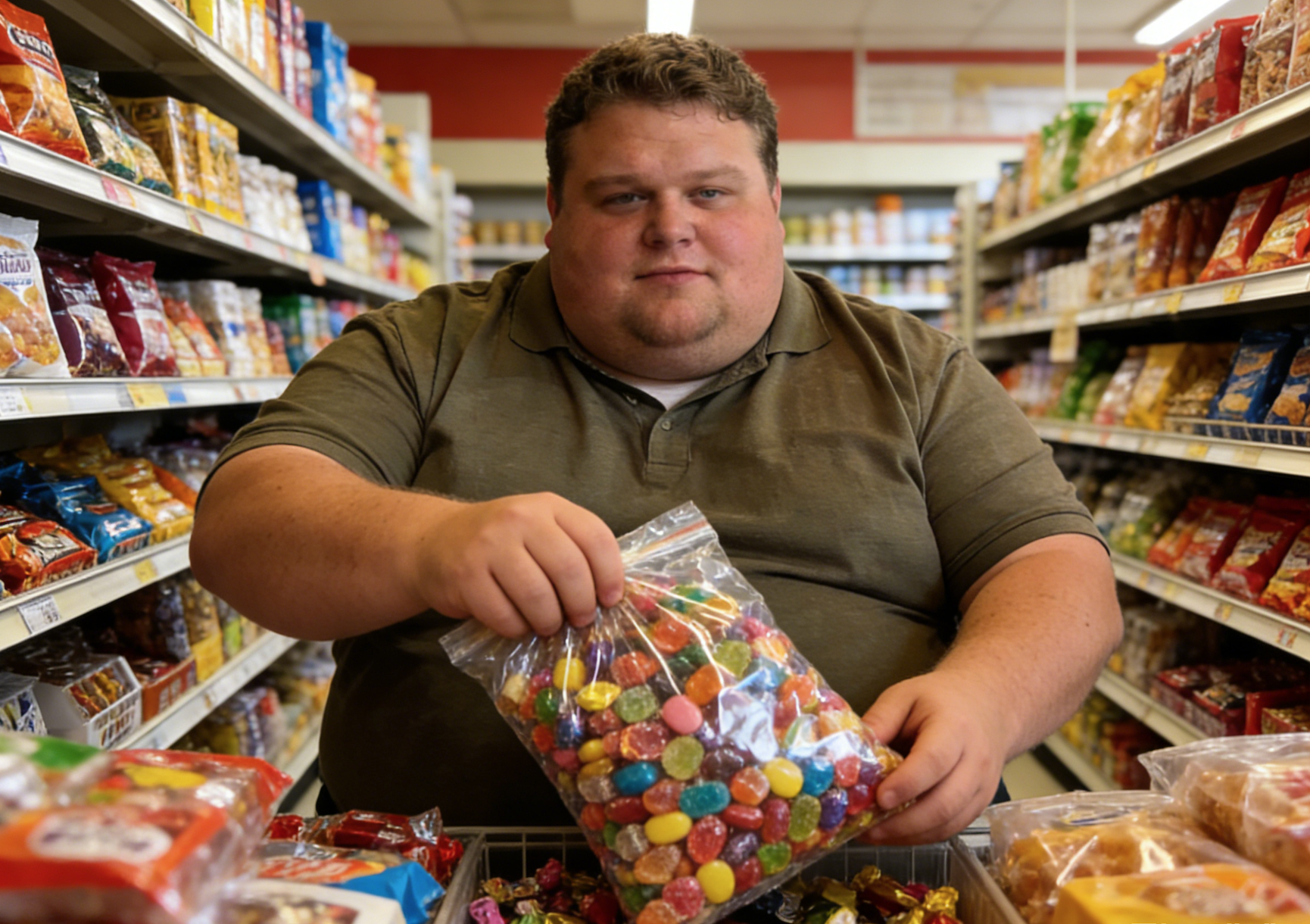
Is sugar addiction hindering your weight loss? Three scientific strategies to break your sugar habit and reshape your healthy diet.
This article reveals how sugar addiction exacerbates appetite through dopamine and insulin, hindering weight loss, and provides three methods for breaking sugar addiction: dietary adjustments, nutritional supplements, and appropriate exercise. Breaking sugar addiction helps stabilize blood sugar, reduce the risk of binge eating, and is a crucial foundation for achieving scientific and lasting weight loss, helping you lose weight healthily without rebound.
2026-02-02
How to choose staple foods for weight loss? 3 types of high-quality alternatives that allow you to eat until you're full without gaining weight.
This article explains how to scientifically choose staple foods during weight loss, recommending high-fiber root vegetables, resistant starch, and konjac as excellent alternatives. By replacing refined grains, you can stabilize blood sugar, increase satiety, and achieve healthy weight loss. Mastering these staple food selection techniques will make the weight loss process easier and more effective.
2026-02-02