
Abdominal Fat Removal Surgery: A Plastic Surgery Solution for Localized Shaping and Weight Loss
Dermolipectomy:
When excessive fat accumulates in areas such as the abdomen, buttocks, inner and outer thighs, and inner upper arms, causing localized skin laxity, dermolipectomy or a combination of liposuction and dermolipectomy can be considered for weight loss treatment. By removing the loose, sagging skin and fat, or simultaneously tightening deep fascia tissue, the excessive bulging in the affected area can be corrected, and the inconvenience caused by obesity in daily life and work can be alleviated.
Dermolipectomy can be performed on the abdomen, buttocks, and inner upper arms, depending on the location of the skin and fat laxity.
I. Abdominal Dermolipectomy: Abdominal dermolipectomy is performed under the skin of the superficial, more sensitive abdominal wall, and covers a relatively wide area.
(I) Surgical Indications: This surgery is limited to patients whose fat is mainly deposited in the lower abdomen. Some obese patients over middle age often have most of their fat deposited in the lower abdomen, followed by the upper abdomen or the entire abdomen. Localized abdominal wall fat excess is often accompanied by laxity of the skin, muscles, and muscle sheaths, as well as visceral ptosis, resulting in sagging abdominal skin and fat. In severe cases, the abdomen may resemble an apron, causing not only aesthetic concerns but also inconvenience in work and daily life. Therefore, the indications for abdominal wall fat excision surgery are mainly abdominal fat accumulation accompanied by sagging abdominal skin, or abdominal fat accumulation accompanied by stretch marks after pregnancy; or accompanied by postoperative abdominal scars. Surgical removal of loose skin and subcutaneous fat brings the separated rectus abdominis muscles together and tightens the loose fascia, thereby improving body shape and resolving discomfort caused by abdominal wall sagging.
Contraindications for surgery include desire for pregnancy, serious chronic diseases of vital organs, a tendency to form keloids, mental disorders, and patients currently undergoing hormone therapy.
(II) Preoperative Preparation Before surgery, the degree of abdominal wall laxity and abdominal fat accumulation should be assessed. The patient should be placed in supine and upright positions to estimate the amount of skin and subcutaneous fat to be removed. The location, length, and width of the incision, as well as the extent of subcutaneous dissection, should be determined and marked with gentian violet. If diastasis recti is suspected, the patient should be placed supine with their thighs raised to contract the rectus abdominis muscles. The palm should be placed between the two rectus abdominis muscles to determine the degree of separation of the rectus sheath and assess muscle tone.
Routine preoperative examinations include: electrocardiogram (ECG), chest X-ray, complete blood and urine tests, bleeding and clotting time, blood lipids, blood biochemistry, and liver and kidney function tests. The safety of the surgery should be determined, especially ruling out obesity-related complications.
Common sites for skin and fat excision include the abdomen, buttocks, inner and outer thighs, and inner upper arm. The area to be excised should be marked with gentian violet in the standing position and fixed with iodine.

Abdominal massage and dancing for weight loss: two fun ways to slim down
Abdominal self-massage promotes blood circulation and burns fat through pressing and kneading, effectively eliminating belly fat; dancing, especially disco, involves high-intensity exercise that burns a lot of energy, thus aiding weight loss. Try these two fun weight loss methods to make the slimming process easier and more enjoyable.
2026-03-24
Weight Loss Myths: Fat Loss vs. Muscle Gain – A Scientific Guide to Body Sculpting
Many agonise over whether to prioritise fat loss or muscle gain first, yet the approach differs based on individual weight goals. This article guides you in strategically planning your journey to efficiently advance weight loss while sculpting your physique, scientifically crafting your ideal shape.
2026-03-25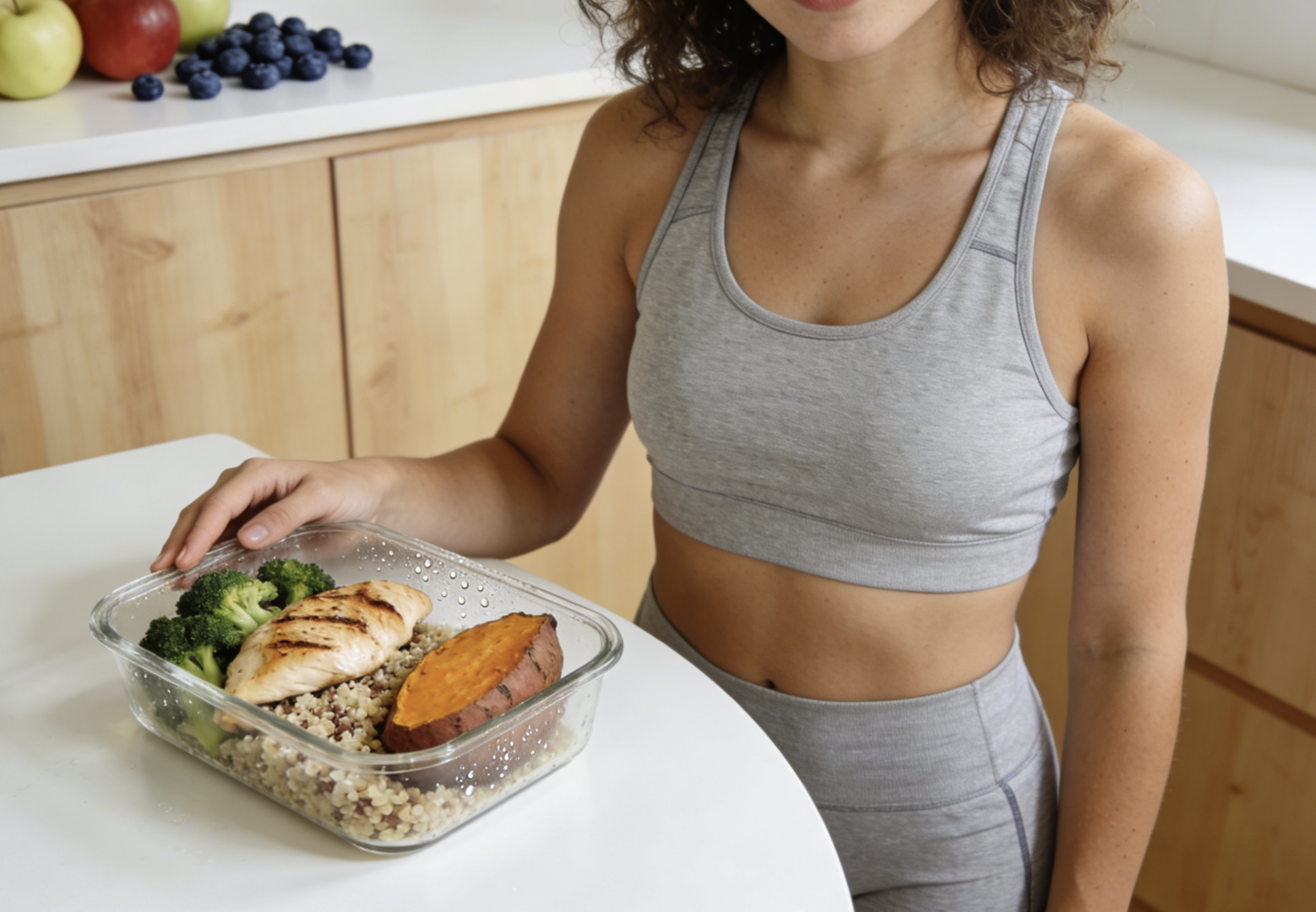
Weight Loss Diet: The Three Major Nutrients Ratio and the Fist-Palm Estimation Method
Scientifically balancing carbohydrates, protein and fat makes weight loss more effective. This article teaches you how to calculate intake and simple estimation methods, enabling effortless meal planning for a healthy and sustainable weight loss journey.
2026-03-06