
Liposuction Explained: Scientific Weight Loss Methods from Tumescent to Ultrasonic Technology
Liposuction:
Excess fat in obese patients mainly accumulates in the abdomen, waist, buttocks, inner and outer thighs, breasts, inner upper arms, calves, chin, and neck. This fat accumulation causes localized bulging, which in mild cases affects physical appearance, and in severe cases, excessive fat accumulation can lead to sagging, such as an "apron-like" deformity of the abdomen. This not only affects aesthetics but also causes inconvenience in work and daily life. Liposuction can be used to treat localized fat accumulation and bulging.
Liposuction is a new cosmetic surgery technique developed in the 1980s. It uses negative pressure liposuction or ultrasonic liposuction to remove excess subcutaneous fat tissue, thereby improving and beautifying the body shape.
French physician Illiouz first successfully used liposuction for weight loss in 1977. Liposuction, initially based on Kesselring's "sharp" cannula and n-liouz's "blunt" cannula, was divided into "sharp method" and "blunt method." The difference lies in the side holes of the cannula tip; the former is as sharp as a blade. The "sharp" cannula has a lower suction negative pressure, which can "cut" fat but can easily damage blood vessels; the "blunt" cannula has a higher suction negative pressure, "pulling" fat out from around blood vessels. Currently, "blunt" cannulas are mainly used in my country. Later, liposuction was further divided into "dry method" and "wet method" depending on whether medication was injected into the suction site. The "dry method" involves directly aspirating fat from the treatment site under general or epidural anesthesia. Its advantages are that the treatment effect can be judged more accurately and the amount of fat removed can be easily controlled. However, this method results in more blood loss, with blood accounting for about 40% to 50% of the aspirated volume, and it is difficult to perform in outpatient settings, so its application is less common. The "wet liposuction method" involves injecting a local anesthetic containing adrenaline (lidocaine or novocaine) into the treatment area before liposuction, with or without general or epidural anesthesia. This reduces postoperative pain and intraoperative bleeding, with blood loss accounting for approximately 20%–25% of the amount of fat removed. It can be performed on an outpatient basis and has become widely used and developed.
In 1987, Klein proposed the "tumescent liposuction method" based on the "wet method." The "tumescent method" involves injecting a large amount of low-concentration local anesthetic (0.05%–0.1% lidocaine), a 1:1000 adrenaline solution, sodium bicarbonate, and physiological saline locally before liposuction. It has advantages such as less blood loss, safety, rapid removal of large amounts of fat, and longer anesthesia time. It is currently the most widely used liposuction procedure.
In 1992, Italian physician Michele Zocchi pioneered ultrasonic liposuction. This procedure combines ultrasound with tumescent manipulation. Ultrasound waves are applied to loose, swollen fat, causing it to emulsify, which is then suctioned away. This method has the advantages of minimal blood loss and few complications, but it has low liposuction efficiency and a long operation time.

Vegetable Selection Guide During Weight Loss: Analysis of Three Categories of Vegetables and Their Organic Value
This article details the scientific selection of vegetables during weight loss, including the nutritional value and recommended intake of leafy greens, fruits, and root vegetables. It emphasizes the importance of organic vegetables in reducing pesticide exposure and maintaining hormonal balance for healthy weight loss, providing practical dietary guidance.
2026-03-04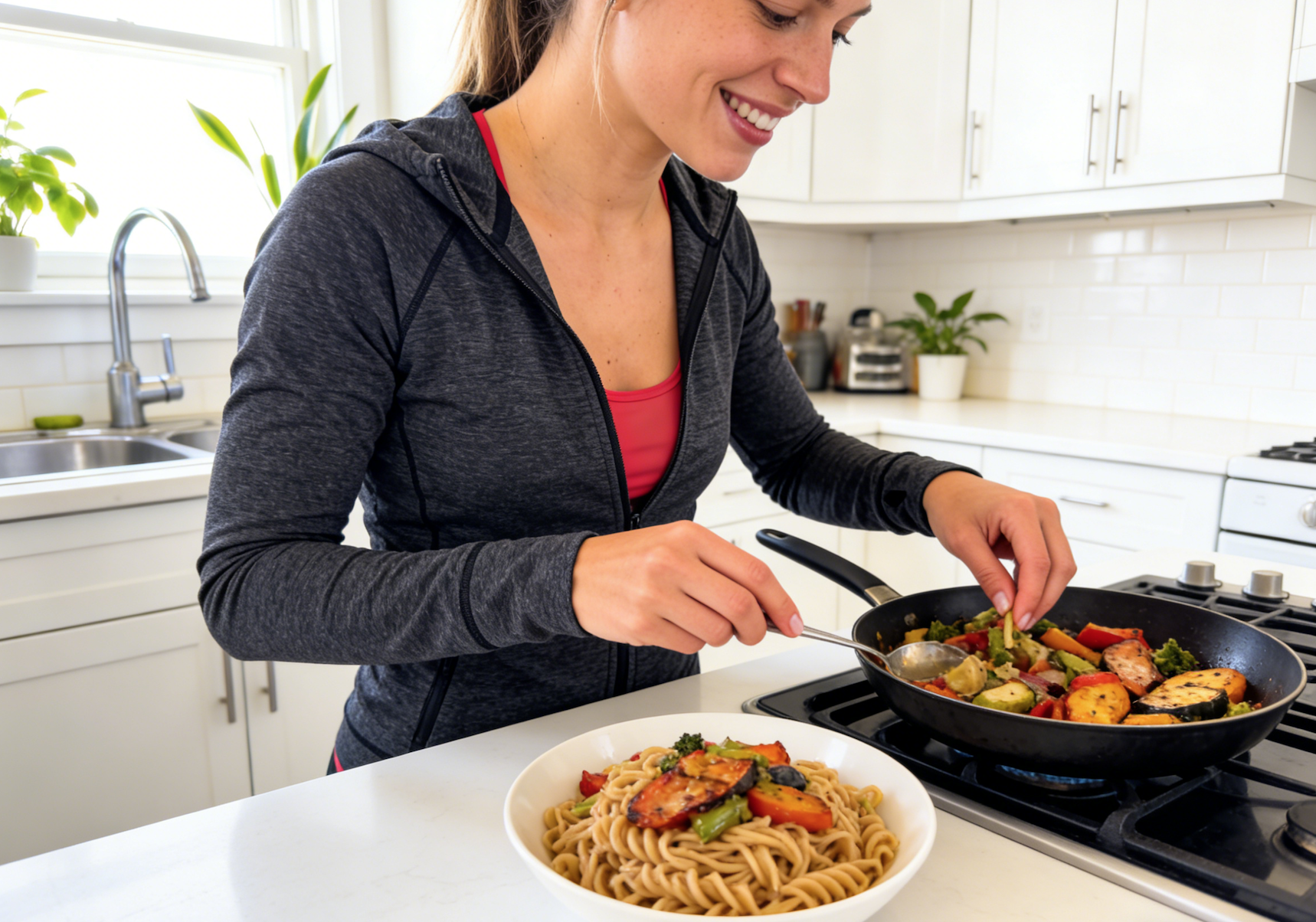
Water-soluble and insoluble dietary fiber: The key choices for scientific weight loss.
This article analyzes the classification of dietary fiber and its important role in weight loss, highlighting how soluble and insoluble fibers help control appetite and stabilize blood sugar levels. Adequate dietary fiber intake is an effective strategy for achieving scientific and healthy weight loss, significantly improving fat reduction and promoting gut health.
2026-03-05
Can zero-calorie drinks really help with weight loss? An analysis of the health risks behind artificial sweeteners.
This article explores the actual impact of artificial sweeteners in zero-calorie beverages on weight loss, revealing that artificial sweeteners may stimulate appetite and alter the gut microbiome, thus hindering weight loss. Natural sweeteners are a better option than artificial ones, but no artificial sweetener can truly help overcome sugar addiction. A scientific understanding of artificial sweeteners is key to achieving healthy weight loss.
2026-03-04