
Detailed Explanation of Wet Liposuction Procedure: Scientific Weight Loss Surgical Process and Post-operative Care
Wet Liposuction
This procedure, also known as traditional liposuction, is widely used.
(I) Anesthesia Selection
General anesthesia or epidural anesthesia can be used; local anesthesia is generally used for outpatients. Local anesthetic preparation: Mix 20ml of 2% lidocaine with 110ml of normal saline and 0.5ml of 1:1000 adrenaline. Inject into the subcutaneous fat of the area to be liposuctioned using a long needle. Generally, the mixed local anesthetic can be injected into one liposuction site first, and then injected into another site in preparation for liposuction.
(II) Surgical Procedure
Routine disinfection with iodine and alcohol, and draping.
Incision selection: Choose a concealed location near the treatment area, such as the umbilicus, groin, suprapubic fold, armpit, buttocks, popliteal fossa, or axillary fold.
The skin is incised approximately 1-2cm, just long enough to insert the suction cannula. An incision that is too long will affect the negative pressure effect and leave scars. Slightly separate the subcutaneous fat layer with scissors, insert the suction cannula into the subcutaneous fat layer, and start the suction device to achieve a negative pressure of 65-95 kPa (500-700 mmHg). Perform closed-loop suction under the skin. Generally, hold the suction cannula handle with your right hand and pinch the skin and subcutaneous fat of the surgical area with your left hand to control the suction depth and retain the thickness of the subcutaneous fat. With the side hole of the suction cannula facing the deep or lateral surface, move it back and forth in a sawing motion. At this time, you can see pale yellow or pale red (containing blood cells) fatty tissue being suctioned out from the connecting catheter. Perform tunnel-like suction in a radial pattern with the incision as the center. If the suction area is large, several small incisions can be used so that the tunnels suctioned through each incision intersect. The remaining subcutaneous fat will have a honeycomb pattern, which can reduce the unevenness of the skin surface. During the procedure, the aspirator should maintain a consistent layer of fat subcutaneously, preserving a certain thickness of adipose tissue near the skin to avoid damaging subcutaneous nerves and larger blood vessels. 0.5–1 cm of subcutaneous tissue should be preserved in the face and neck; at least 1.5–2 cm in the abdomen and trunk; and 2.5–3 cm in the buttocks. The aspiration area can extend 1–2 cm beyond the pre-marked treatment area to ensure a smooth and natural transition. The aspirated fat and bleeding should be monitored continuously through the connecting tube. If there is excessive blood in the fat-blood mixture, the suction tip should be changed to a different site. The quality and quantity of the aspirated material should be carefully observed; generally, each collection should not exceed 3000 ml. After 24 hours, the fat-blood ratio should not be lower than 4:1. At the end of the procedure, subcutaneous blood should be squeezed out with gauze, and any rubbed skin and subcutaneous tissue at the incision edge should be trimmed. A drainage tube should be placed inside the incision. The incision is sutured, and a sterile dressing is applied with pressure. Elastic nylon garments should be worn over the thighs, abdomen, and buttocks.
(III) Postoperative Management Antibiotics and hemostatic agents are administered postoperatively. Fluid replacement is given if necessary. Continuous negative pressure drainage is maintained for 24–48 hours. Patients can ambulate early postoperatively. Sutures are removed 7–10 days postoperatively. Elastic garments should be worn 24 hours a day for the first 2 weeks postoperatively, and at least 4 hours a day for 2 weeks to 3 months postoperatively.
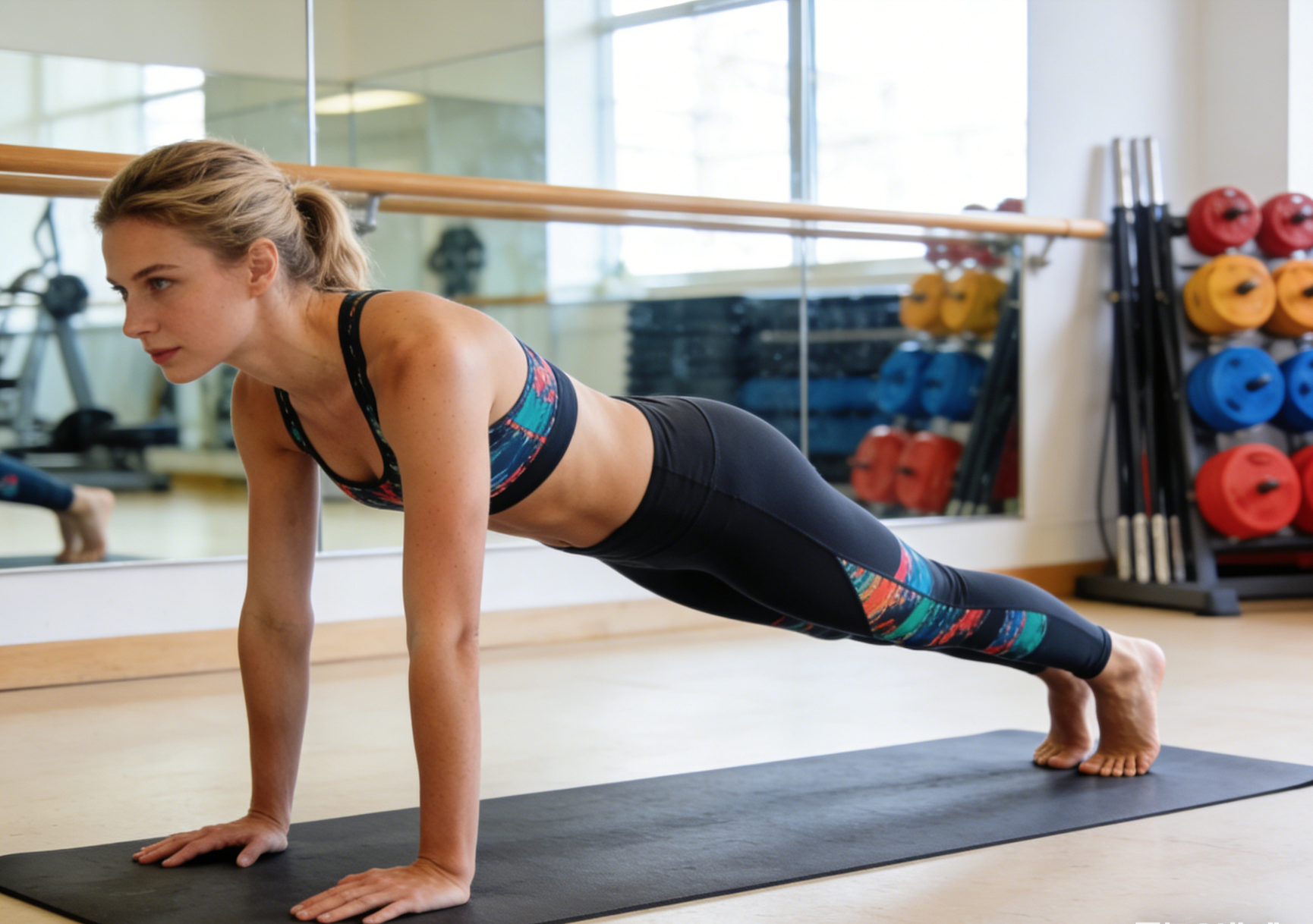
Low-insulin diet: The secret to successful weight loss without exercise
This article delves into the low-insulin diet for weight loss, revealing how it can effectively reduce weight without increasing exercise. Through scientific dietary adjustments, the body actively burns fat, especially targeting waist fat, achieving healthy weight loss goals. Master this method and easily start your weight loss plan.
2026-03-25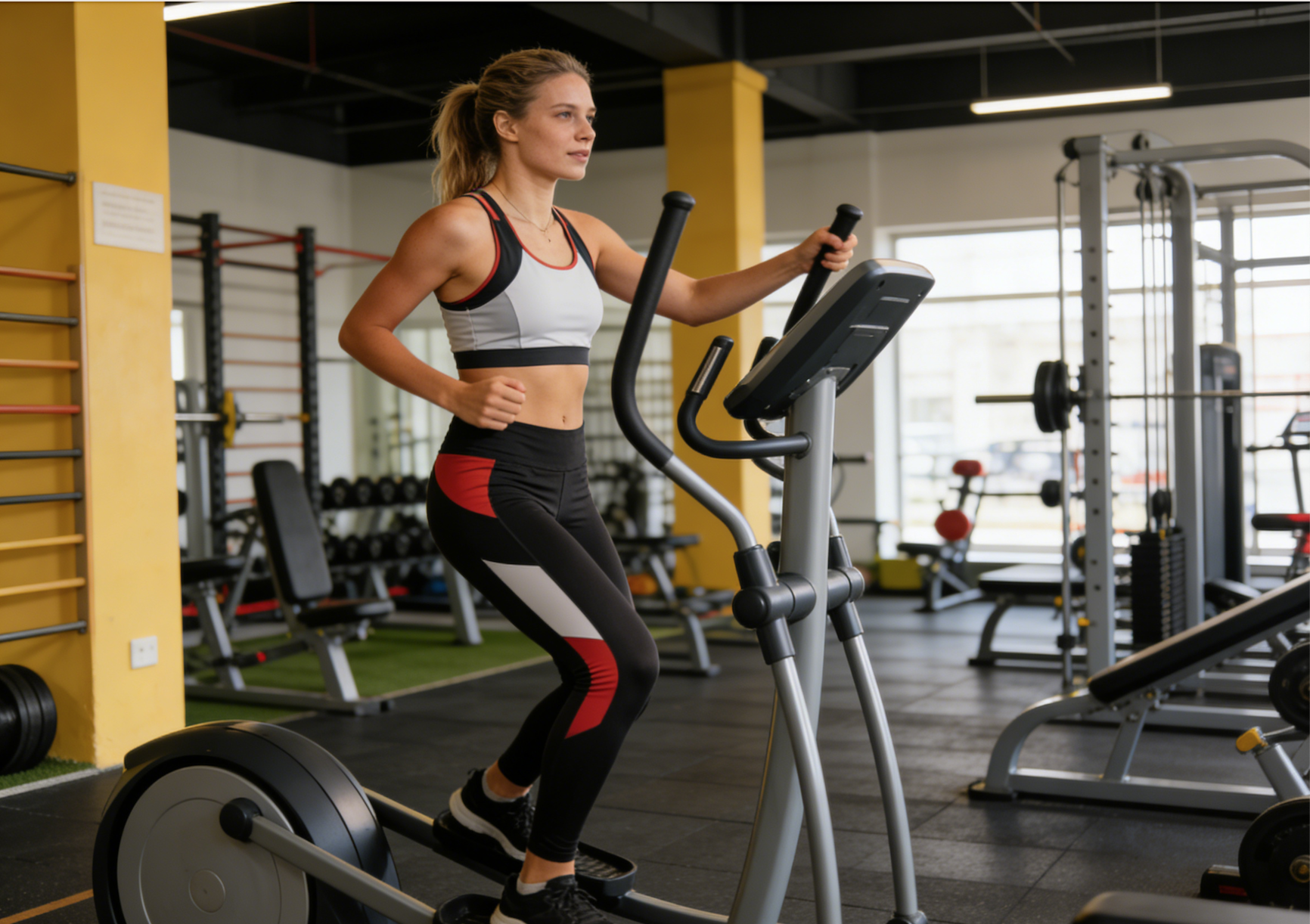
Exploring a low-insulin diet combined with exercise: achieving efficient fat burning and healthy body shaping.
A low-insulin diet combined with exercise provides sufficient nutrition and accelerates fat breakdown, helping you lose weight effectively. Through a scientific diet and regular exercise, you can achieve healthy weight loss goals while promoting overall health and a sustainable lifestyle.
2026-03-25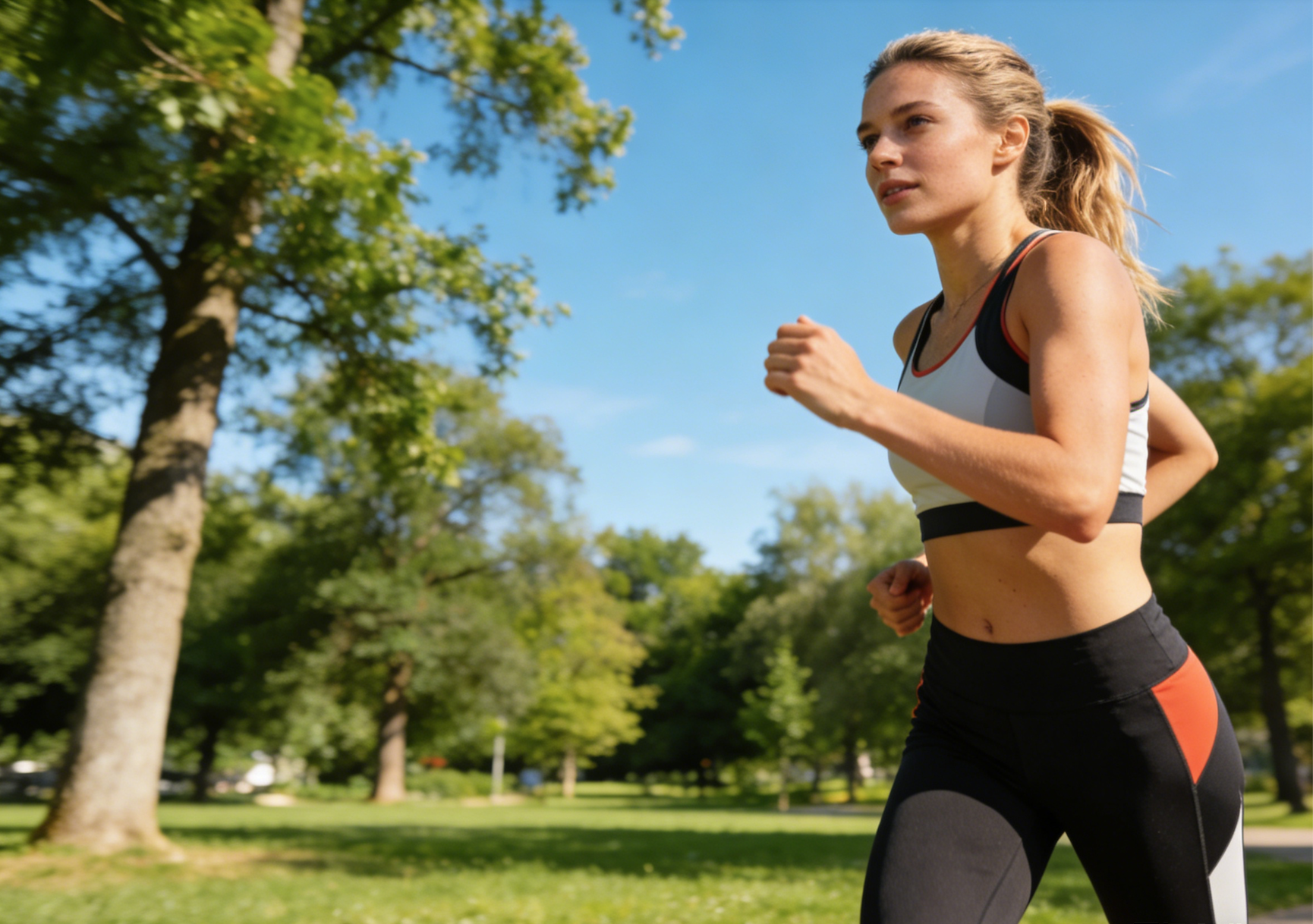
Low-insulin diet and exercise plan: Achieving efficient fat burning when combined with a diet plan.
This article provides a moderate-intensity exercise program to be used in conjunction with a low-insulin diet for weight loss, including specific exercises and duration suggestions to help you enhance weight loss results when combined with your diet. By mastering the principles of combining exercise and diet, you can adjust your carbohydrate intake even in a busy life to achieve efficient weight loss and healthy body shaping.
2026-03-17