
Essential for Women's Weight Loss: Prenatal and Postpartum Obesity Standards and Postpartum Diet Guidelines
Most women experience normal weight gain before pregnancy, but excessive weight gain is considered prenatal obesity.
According to maternal and childbirth standards, a weight gain of 12.5 kg at full term is normal, and should not exceed 15 kg. This means that if your weight exceeds 15 kg, or even 20 kg, before delivery, it will be difficult to regain your pre-pregnancy figure after childbirth. More importantly, prenatal obesity can have adverse effects on the fetus; it's not true that the heavier the pregnant woman, the better the baby's nutrition. If weight gain exceeds the normal range, it's important to consult a doctor to determine the cause and receive treatment.
What are the negative effects of prenatal obesity on the fetus? Recent research has found that excessively obese pregnant women may have children with potential risks such as lower IQ, schizophrenia, behavioral problems, and eating disorders. Furthermore, excessive obesity caused by excessive prenatal nutrition can easily lead to gestational hypertension, diabetes, and other diseases, which are harmful to both the mother and the fetus.
Therefore, if you feel you've gained an unusually large amount of weight before pregnancy, you should pay close attention. During prenatal checkups, consult your doctor to understand your physical condition. Pregnant women should also be careful not to consume too many supplements before delivery and should follow their doctor's guidance for a normal diet.
Having discussed prenatal factors, let's talk about postpartum factors. Some women weren't significantly overweight before pregnancy, but gain weight rapidly after childbirth at an astonishing rate. This is because postpartum weight gain factors are often more numerous than prenatal factors.
The main cause of postpartum obesity is also related to placental hormones. Logically, the placenta is used only during childbirth, so what does it have to do with the placenta after delivery? True, after childbirth, the placenta leaves the mother's body, and theoretically, placental hormones are no longer present. With reduced placental hormones, basal metabolic rate also decreases, so does that mean you don't need to eat as much food?
That's the problem! Although basal metabolic rate decreases, dietary calorie intake doesn't necessarily decrease because in our country, postpartum women need to observe a period of confinement (sitting the month). During this time, their diet is usually quite large.
Pregnant women need to breastfeed, and milk production consumes a significant amount of nutrients, so breastfeeding women need to eat much more than usual. If the calories from these extra foods were exactly equal to the calories lost through breastfeeding, then the woman wouldn't gain weight. However, this is only an ideal scenario. In reality, no nutritionist can accurately predict the nutrients lost through breast milk; therefore, dietary guidance for postpartum women can only provide a general range.
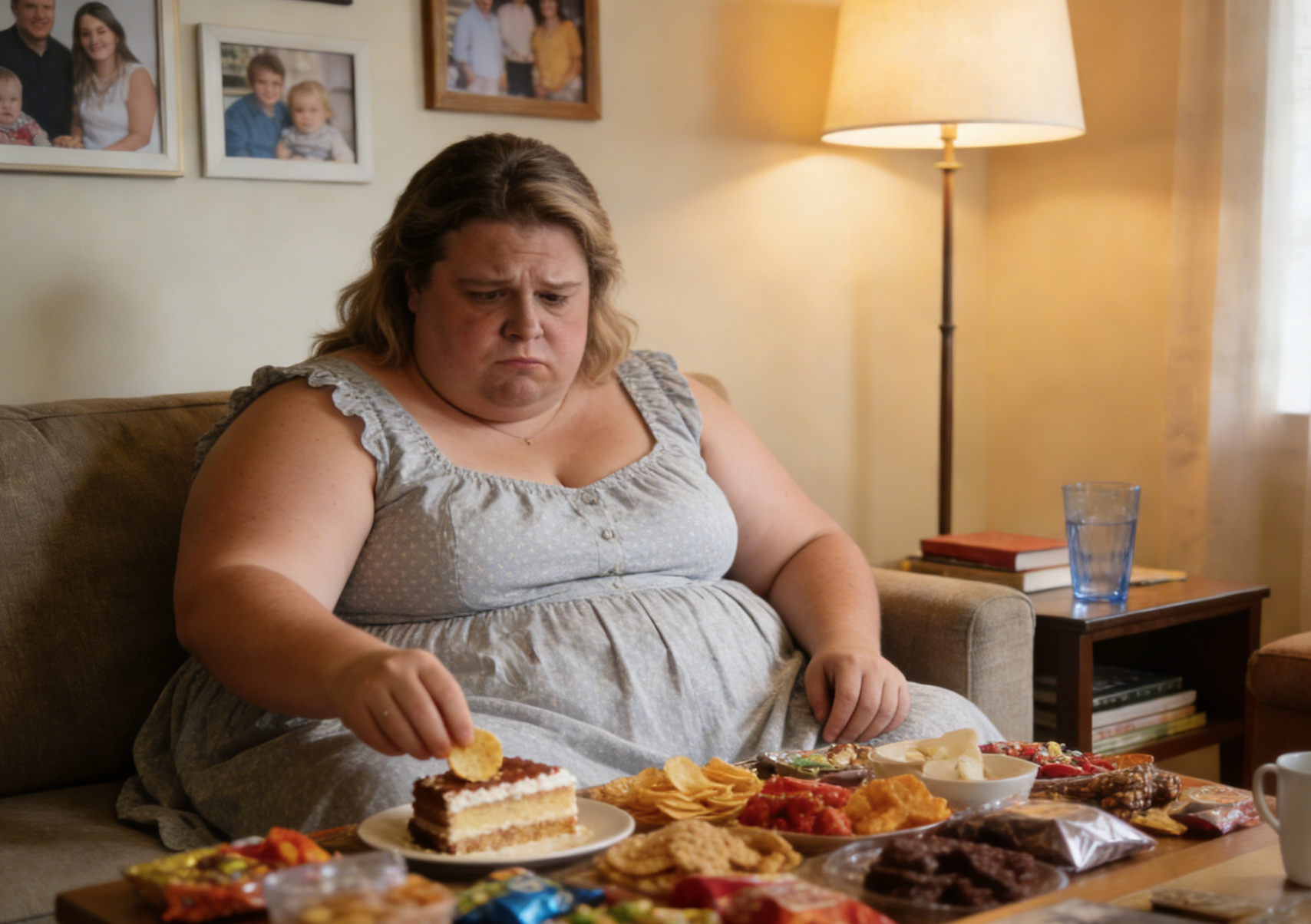
How do snacks hinder weight loss? Three science-backed tips to help you achieve your goals.
This article analyzes how snacks become the biggest obstacle to weight loss and provides three scientific strategies: labeling, conditioned reflexes, and stocking up on healthy snacks. By scientifically managing snack intake, you can satisfy your cravings while effectively promoting weight loss and achieving your healthy weight loss goals.
2026-03-09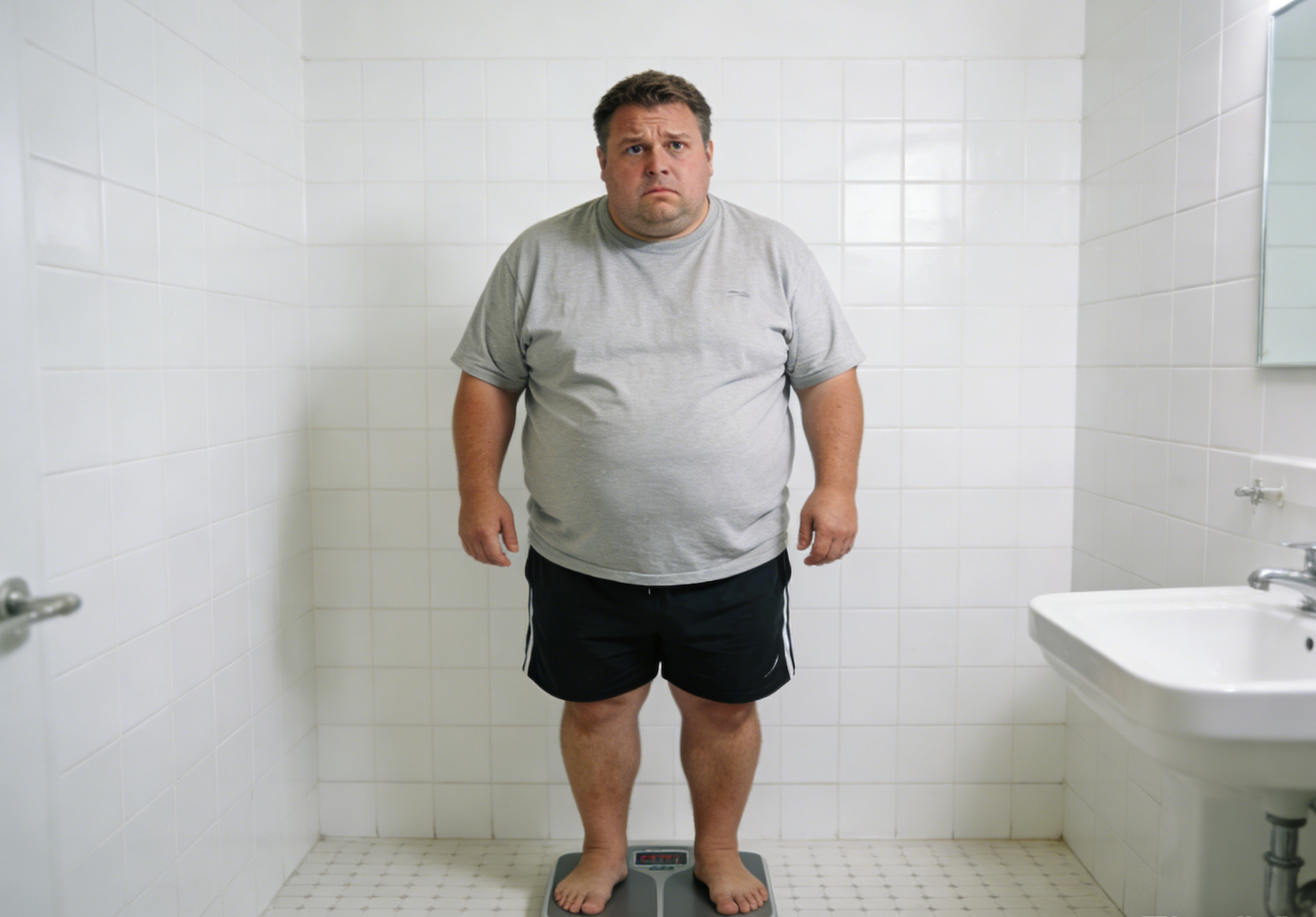
Unveiling two common psychological pitfalls that lead to weight loss failure, and how to overcome them.
This article delves into how two common psychological pitfalls—frequent daily weighing and setting overly ambitious goals—become major obstacles on the weight loss journey. By establishing a correct understanding of weight loss, setting realistic goals, and adopting scientific methods, these pitfalls can be effectively avoided, leading to healthy and sustainable weight loss results.
2026-03-09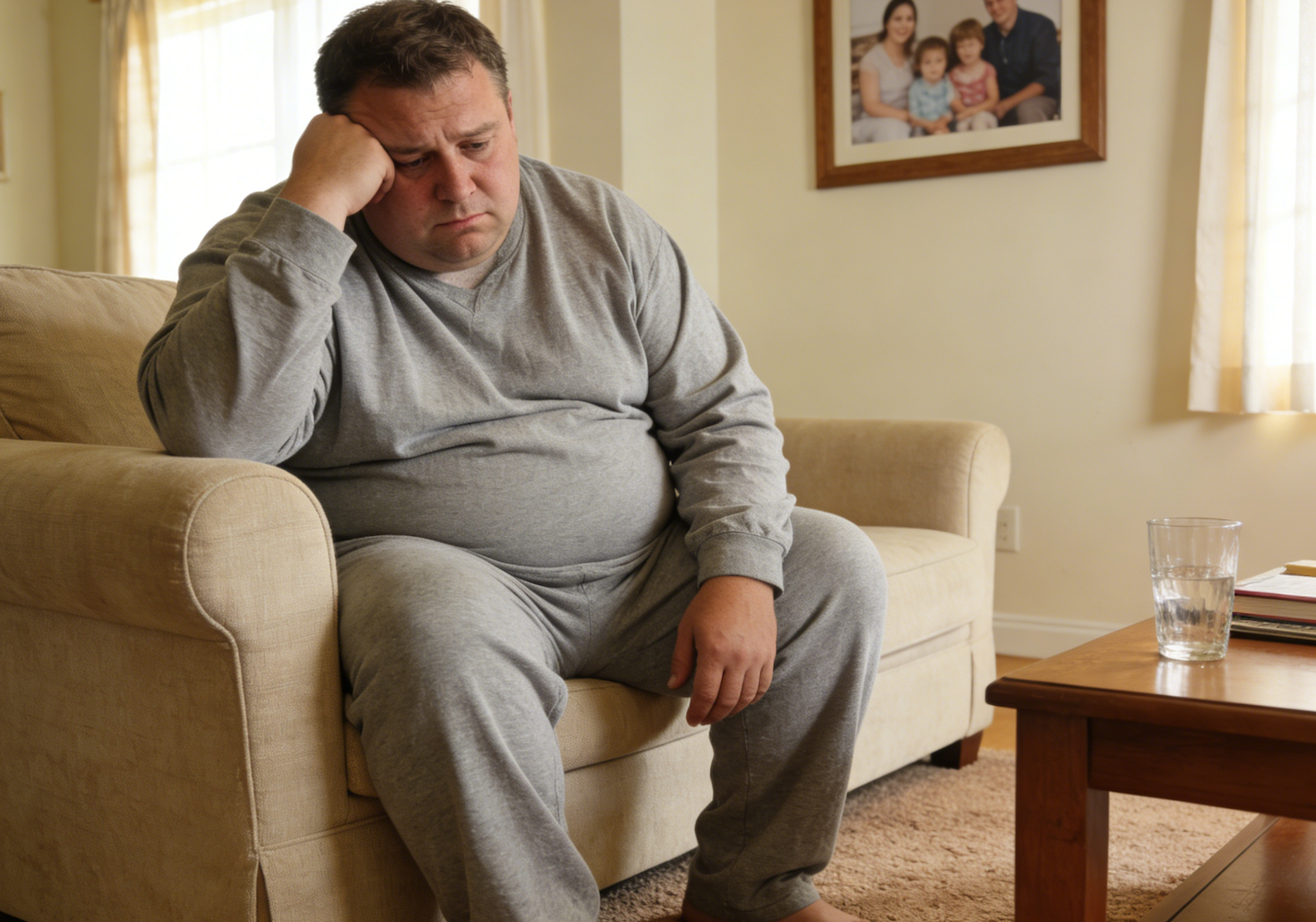
How does emotional stress hinder weight loss? Unveiling the link between stress and obesity.
This article analyzes how emotional stress hinders weight loss by stimulating appetite and increasing cortisol levels, highlighting the importance of managing emotions for successful weight loss. Maintaining a positive mindset and reducing stress are crucial steps towards achieving more effective and healthier weight loss.
2026-03-09