
Weight Loss Diet: The Three Major Nutrients Ratio and the Fist-Palm Estimation Method
For the average person, 50% to 60% of daily dietary energy intake comes from carbohydrates, 10% to 30% from protein, and 20% to 30% from fat. This daily energy intake is then divided equally across three meals.
Here, we use a 6:2:2 ratio of energy from carbohydrates, protein, and fat as an example. Using the previous example, during my fat-loss phase, my daily energy intake is 1704 kcal. Thus, carbohydrates should account for approximately 1022 kcal (1704 × 60%), protein for roughly 341 kcal (1704 × 20%), and fat for about 341 kcal (1704 × 20%).
Therefore, daily intake should be approximately 256g of carbohydrates, 85g of protein, and 38g of fat. Dividing this evenly across three meals yields roughly 85g carbohydrates, 28g protein, and 13g fat per meal. For those eating four times daily, this translates to 64g carbohydrates, 21g protein, and around 10g fat per meal. Given my demanding work schedule and preference for uninterrupted focus during busy periods, I typically eat three meals daily. Those prone to afternoon hunger may benefit from an additional snack.
Carbohydrates essentially comprise staple foods such as maize, sweet potatoes, potatoes, rice, rice noodles, wheat noodles, and bread. Where possible, opt for whole grain staples.
Protein primarily comes from chicken, lean pork, beef, seafood, fish, milk, eggs, and legumes.
Meat and oils naturally contain some fat, so I personally suggest not obsessing over fat intake calculations or deliberately increasing fat consumption. Besides, we occasionally snack between meals anyway.
Additionally, incorporate green vegetables into every main meal to enhance satiety and nutritional value.
I imagine many are wondering: having calculated the quantities for each nutrient, how exactly does one plan meals based on these macronutrient targets? This requires using a food scale and a food calorie search tool.
Let me demonstrate. During my fat-loss phase, I require 256g carbohydrates, 85g protein, and 38g of fat. I'll first look up the calorie content of staple foods online, such as brown rice. This reveals that 100g of uncooked brown rice contains 76g of carbohydrates, 7.2g of protein, and 2.4g of fat (note that data may vary slightly across platforms due to differences in rice varieties; the above figures are for reference only).
To meet my daily 256g carbohydrate requirement, I need to prepare 330g of brown rice – easily measured using kitchen scales. This portion also provides approximately 24g of protein and 8g of fat.
To supplement the daily 85g protein requirement, I aim to obtain roughly 60g from meat, dairy, and eggs. I look up the nutritional values of meats, such as salmon, which shows 100g contains 0g carbohydrates, 5.9g fat, and 21.6g protein. Thus, approximately 300g of salmon provides over 60g protein and about 18g fat.
Thus, my carbohydrate and protein intakes are already met. For fat, I'm still 12 grams short of the 38-gram target. Since I'll be adding a little oil when cooking anyway, I don't need to calculate this further.
The above is merely an example. If you consume other staple foods or different meats, eggs, or dairy, the calculation method remains the same: first look up the nutritional values online, then weigh the ingredients when preparing your meal.

Follow Ten Principles of Muscle Training for Safe Muscle Building and Efficient Fat Burning
Training according to scientific muscle training principles, with reasonable intensity and time allocation, effectively builds muscle and boosts metabolism, aiding in weight loss. Scientific muscle training is safe and gentle, making weight loss more stable and efficient.
2026-04-01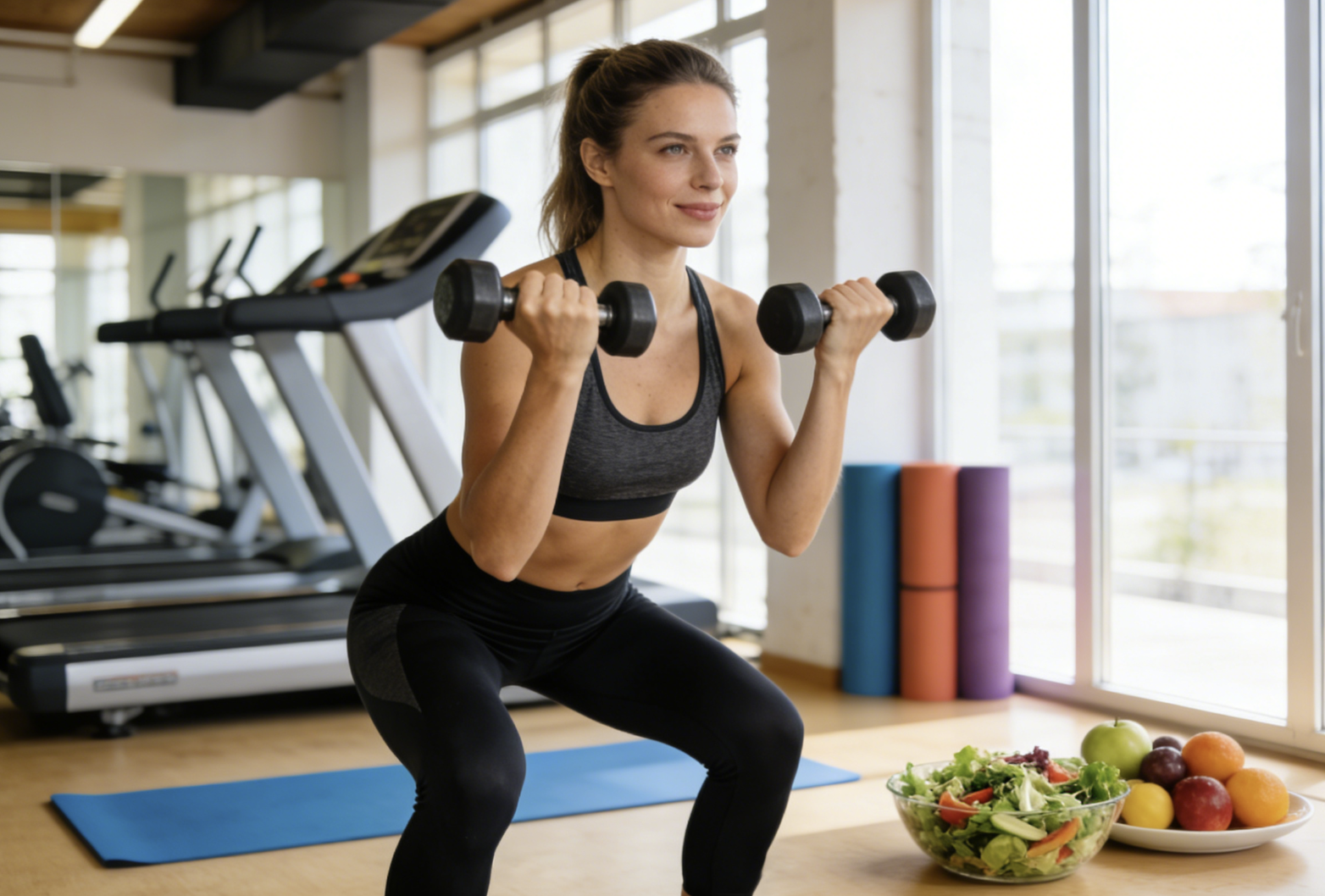
Understanding Muscle Strength Principles and Scientific Training to Improve Fat Burning Efficiency
Master the sources and training principles of muscle strength, rationally train large muscle groups to boost metabolism, aid in weight loss, safely build muscle without harm, and make weight loss more efficient and sustainable.
2026-04-01
Combining Height Development Patterns with Scientific Exercise and Nutrition
Understanding the factors that influence height, such as genetics, nutrition, and exercise, and using appropriate exercise and diet during the growth stage to aid weight loss, balancing height increase and fat reduction, making weight loss healthier and more scientific.
2026-04-01