
Five principles for choosing a scientific weight loss diet: from restricting fat to ensuring nutrition.
Prevent excessive salt intake: Salt can cause thirst and stimulate appetite, increasing food consumption, which is detrimental to the treatment of obesity. Generally, a daily salt intake of 3-6g is appropriate.
Ensure adequate vitamin and mineral intake: Avoid unbalanced diets. In fact, as long as the food is low in calories, properly sourced, and nutritionally balanced, any ordinary diet can be a good weight-loss diet. The choice and preparation of color, aroma, taste, and shape should be individualized.
Avoid fried foods: Food processing should preferably use cooking methods such as steaming, boiling, braising, poaching, and roasting, avoiding frying and deep-frying. Fried foods contain more fat and stimulate appetite, which is not conducive to weight loss.
Furthermore, the frequency of meals should vary from person to person, usually three meals a day, but two meals a day are also acceptable.
There is still no universally accepted method for treating obesity through diet therapy. However, through clinical observation and animal experiments, most scholars tend to favor low-calorie, low-carbohydrate diets, or diets that simultaneously provide high protein, aiming to achieve weight loss by controlling calorie intake. A low-calorie diet can put the body in a negative energy balance, thereby burning stored fat. Of course, while burning fat, the body also consumes protein and non-fat components, so it is often necessary to increase protein intake.
There are two main approaches to implementing diet therapy: one is through strict control and restriction of the patient's diet during hospitalization to achieve weight loss; the other is through self-management and control of the diet by the patient under the specific guidance of a nutritionist.
The application of diet therapy for weight loss should be tailored to the individual and chosen flexibly. Specific methods include starvation therapy, ultra-low-energy diets, and low-energy diets.

How to restart your weight loss journey after a failed attempt? Here's a practical three-step method to help you succeed.
This article provides a scientific approach for those who have previously failed at weight loss, offering a three-step method to analyze the reasons for failure, set realistic goals, and utilize new tools to achieve healthy weight loss. It emphasizes the combination of psychological adjustment and scientific methods, making weight loss no longer a difficult task.
2026-03-08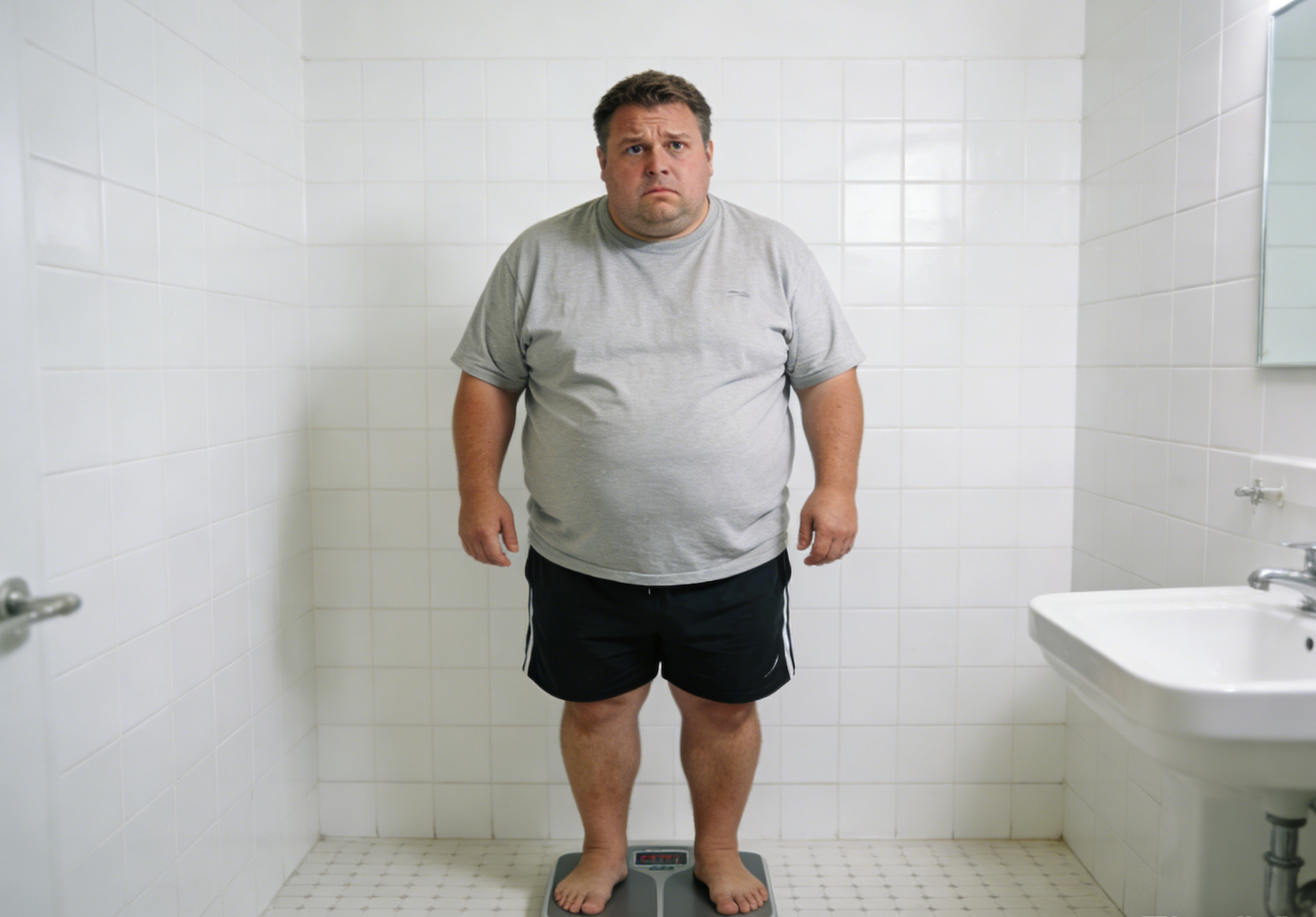
Unveiling two common psychological pitfalls that lead to weight loss failure, and how to overcome them.
This article delves into how two common psychological pitfalls—frequent daily weighing and setting overly ambitious goals—become major obstacles on the weight loss journey. By establishing a correct understanding of weight loss, setting realistic goals, and adopting scientific methods, these pitfalls can be effectively avoided, leading to healthy and sustainable weight loss results.
2026-03-09
How does emotional stress hinder weight loss? Unveiling the link between stress and obesity.
This article analyzes how emotional stress hinders weight loss by stimulating appetite and increasing cortisol levels, highlighting the importance of managing emotions for successful weight loss. Maintaining a positive mindset and reducing stress are crucial steps towards achieving more effective and healthier weight loss.
2026-03-09