
How can scientific weight loss lower high blood pressure? Non-drug treatment methods explained.
Prognosis
The prognosis of hyperlipidemia mainly depends on the course of the disease and the treatment efficacy. Early diagnosis and early treatment result in a good prognosis.
Hypertension:
Hypertension is a systemic disease characterized by functional or organic changes in organs such as blood vessels, brain, and kidneys. It is the most common cardiovascular disease, and most obese patients also have hypertension. This disease may have multiple pathogenic factors and complex pathogenesis. Dysfunction of the central nervous system, humoral, endocrine, genetic, renal, and vascular baroreceptor abnormalities, as well as abnormal ion transport in cell membranes, may all be involved in the pathogenesis. Clinically, hypertension of unknown cause is generally called primary hypertension or hypertension. Hypertension with a clear cause, where elevated blood pressure is only a manifestation of certain diseases, is called secondary hypertension or symptomatic hypertension. Obesity complicated by hypertension may have the following causes: ① Obese patients have a large increase in adipose tissue, which can lead to an enlarged vascular bed and a corresponding increase in blood circulation. At a normal heart rate, the cardiac output per minute and stroke volume are significantly increased, resulting in long-term excessive burden on the heart, left ventricular hypertrophy, and thus elevated blood pressure. ② Obese patients often experience adrenal cortical hyperfunction, leading to a certain degree of water retention, which further increases blood volume and exacerbates hypertension. Treatment methods for hypertension include:
Non-pharmacological treatment: Obesity is a risk factor for hypertension; weight loss and weight control are beneficial for lowering blood pressure. Effective weight loss measures include: firstly, restricting diet and reducing daily calorie intake; secondly, increasing exercise to burn excess body fat. Common methods include jogging, walking, swimming, and gymnastics. Weight loss helps lower plasma norepinephrine and epinephrine levels, which is particularly important for obese patients with hypertension.
(I) Dietary therapy
1. Low-salt diet: Hypertensive patients should adopt a moderately restricted salt diet, i.e., daily salt intake of approximately 1.5–3.0g. A low-salt diet is effective for sodium-sensitive hypertensive patients, improving the antihypertensive effect and reducing the dosage of antihypertensive drugs, but it is less effective for sodium-resistant hypertensive patients.
2. Limit Alcohol Consumption
While small amounts of alcohol daily have little effect on blood pressure, those who consume more than 40g of ethanol daily have a significantly increased incidence of hypertension and stroke. Heavy drinkers are three times more likely to die from stroke than infrequent drinkers. Therefore, obese patients with hypertension should limit their alcohol consumption, and abstaining from alcohol or drinking only in small amounts is encouraged.
(II) Exercise Therapy
Regular and moderate physical activity can prevent and control hypertension. Endurance exercises and aerobic exercises have a moderate blood pressure-lowering effect, such as brisk walking, running, cycling, swimming, and skiing. Anaerobic exercises, such as weightlifting and combat sports, have a less significant blood pressure-lowering effect.

Unveiling the true role of eggs: A scientific understanding of cholesterol for healthy weight loss.
This article scientifically analyzes the relationship between eggs and cholesterol, clarifies common misconceptions, and explains the rich nutritional value of eggs. Eggs can effectively suppress appetite and boost metabolism, making them an excellent choice for healthy weight loss. Understanding eggs correctly and incorporating them into your daily diet can provide crucial nutritional support during the weight loss process.
2026-03-03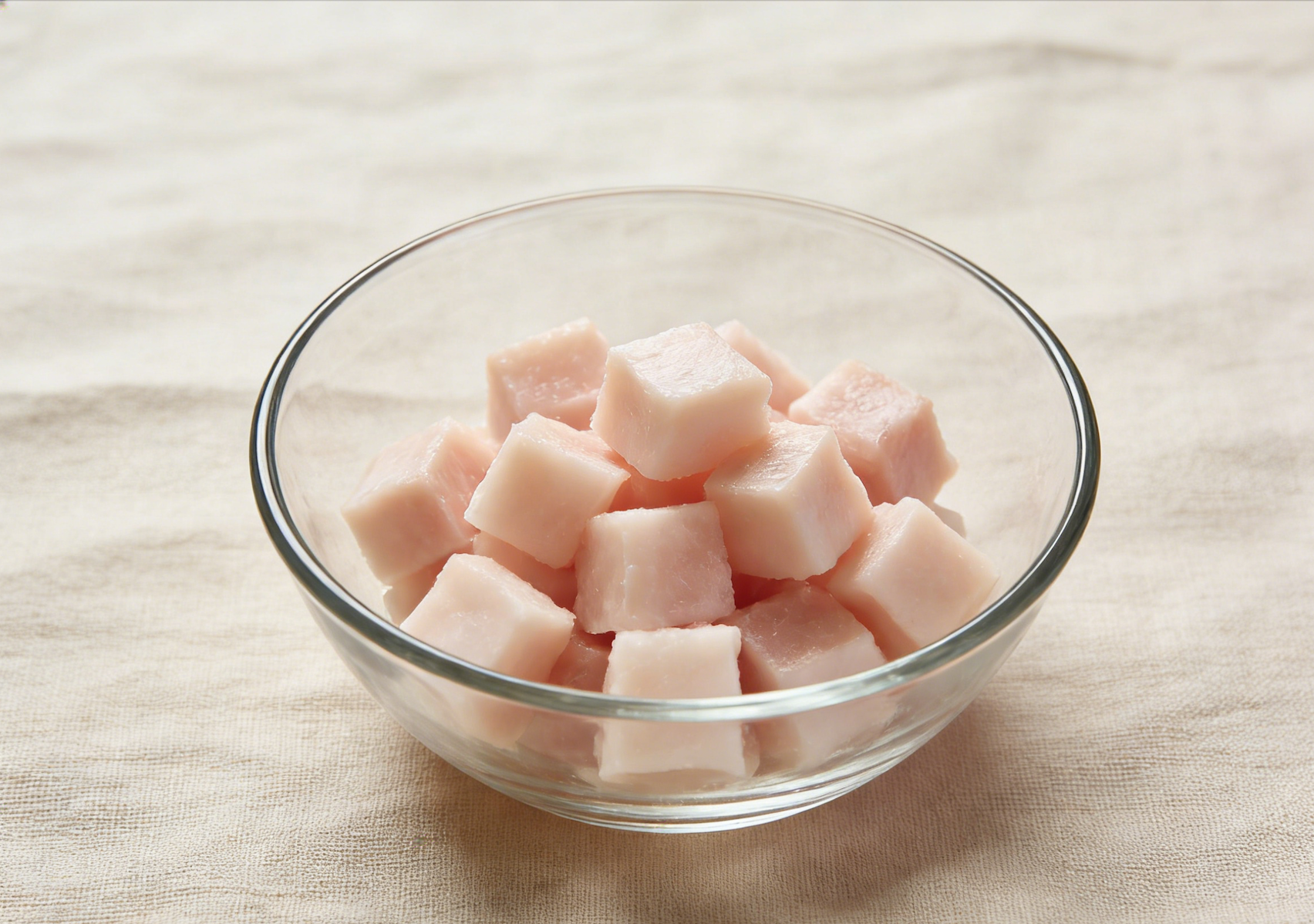
The truth about lard and health revealed: Scientific understanding helps you lose weight more effectively.
This article reveals that lard is rich in high-quality fats and nutrients, clarifying common misconceptions about its impact on cardiovascular health. Moderate consumption of lard and other high-quality fats helps stabilize metabolism and balance hormones, providing healthy support for scientific weight loss and contributing to safer and more effective weight management goals.
2026-03-03
Can coconut oil really help with weight loss? A scientific analysis of the truth about slimming.
This article explores whether coconut oil can truly aid weight loss, analyzing how its rich content of medium-chain triglycerides (MCTs) can boost metabolism and suppress hunger. With proper selection and usage, coconut oil can be an effective aid in healthy weight loss, helping to improve fat burning efficiency and achieve better weight loss results.
2026-03-03