
Weight Loss and Belly Slimming: Scientifically Determining Obesity Standards and Choosing Healthy Fat Reduction Methods
I. Various Weight Loss Methods
Starting in the late 1960s, a modern societal disease—obesity—sweeped across Europe and America, and also struck my country. The number of overweight men and women with protruding bellies increased daily; while not countless, they were still a common sight. In 1981, a survey by relevant international organizations confirmed that among the world's population aged 18-79, approximately 50 million men and 60 million women were obese (with an obesity rate exceeding 30%), accounting for about 2.44% of the world's total population that year. In the early 1980s, a sample survey of children aged 7-16 in Xi'an, my country, revealed that obese children in this age group accounted for about one-third of the total population. In the past decade, the obese population in many countries around the world has increased dramatically; more than 30 countries have an obesity rate of 20-50% in their total population. According to statistics from a 1987 World Weight Monitoring Association survey, in countries with the largest obese populations, the obese population accounts for 25-50% of the total population (Table 1-8). This rapid increase in obesity has not only attracted great attention from governments worldwide and the World Health Organization (WHO), but has also caused considerable concern among medical, anthropological, and nutritional experts, making it arguably one of the major hidden dangers facing the world today.
II. Who Should Lose Weight
(I) Purpose of Weight Loss Weight loss aims to reduce excess body fat reserves, improve metabolism and disease resistance, thereby promoting health, strengthening the body, achieving a more aesthetically pleasing physique, delaying aging, and prolonging life.
(II) Relationship between Obesity and Age/Gender "Fat" and "thin" refer to the amount of body fat. In normal adults, the body fat content is 16.5% for men and 15-20% for women. Exceeding this threshold increases the risk of obesity and a series of complications associated with it, such as hyperlipidemia. Excessive obesity leads to the deposition of an intermediate fat product (cholesterol) on blood vessel walls, increasing the risk of hypertension, coronary heart disease, atherosclerosis, diabetes, cholecystitis, and more. However, when the body's fat content is below 10-5%, not only does the blood protein content decrease, and hemoglobin and cholesterol levels drop, but the secretion of several essential hormones also decreases, leading to disease. For example, in women, when body fat content is below 10-5%, progesterone secretion decreases, increasing the risk of uterine and breast cancer.
Body fat content varies with age. For athletes, teenagers typically have 10-12% body fat, athletes aged 20-30 have about 15%, and athletes over 30 have about 20%. According to measurements, athletes have a lower percentage of body fat and a higher percentage of muscle compared to the general population, especially athletes engaged in strength training (weightlifting, wrestling, etc.), whose muscle can account for more than 60% of their body weight.
After understanding body fat percentage, let's look at the relationship between obesity and age and gender. In recent years, foreign studies have revealed three key issues: First, the ratio of muscle to age and fat. Most people experience an increase in body fat as they age and their body tissues change. Under normal circumstances, the ratio of fat to muscle begins to change after age 20. The proportion of fat increases, while the proportion of muscle decreases. After age 25, the average person gains 1 pound per year, and this increase is mainly due to fat, not muscle. After age 30, for every 10-year increase, the heart's pumping capacity decreases by 6-8%, and blood pressure increases by 5-6%; conversely, fat increases by 3-4%. The less active a person is, the greater the increase in fat, and aging is accelerated along with weight gain.
Second, the relationship between obesity and age. Studies have shown that children who are obese in childhood have a higher rate of obesity after age 30, both for men and women; children with normal weight in childhood have a lower rate of obesity after age 30, with men having a lower rate than women. For example, among obese children aged 10-13, 88% of females and 86% of males are obese after age 30; among children with normal weight aged 10-13, 42% of females and only 18% of males are obese after age 30.
Thirdly, there is the relationship between weight gain and age. Under normal circumstances, the average age at which people begin to gain weight is 42.3 years for men and 38.5 years for women. The development period for obesity is between 45 and 50 years old for men and earlier, between 40 and 45 years old for women.
(III) Who Should Lose Weight? Now that we understand the previous two questions, it becomes more convincing to consider who should lose weight. So, what standards and methods should be used to determine who should lose weight?
First, use the percentage assessment method. The first chapter, section one, part four of this book already discussed the percentage-based classification of obesity. According to internationally unified standards, anyone with an obesity rate exceeding 20% should lose weight.
Second, the skin fat thickness assessment method. Skin fat thickness refers to the thickness of subcutaneous fat. Taking abdominal fat as an example, men with a thickness exceeding 3 cm, women exceeding 2.5 cm, and children exceeding 2.54 cm should lose weight.
Third, the waist-to-hip ratio assessment method. American medical experts have proven that a waist-to-hip ratio greater than 0.0 for men and greater than 0.8 for women indicates obesity and the need for weight loss.
Fourth, the Morehouse rating method. Morehouse, an American exercise physiologist, developed a method using the ratio of weight to waist circumference (Table 1-9) to assess whether a man needs to lose weight.
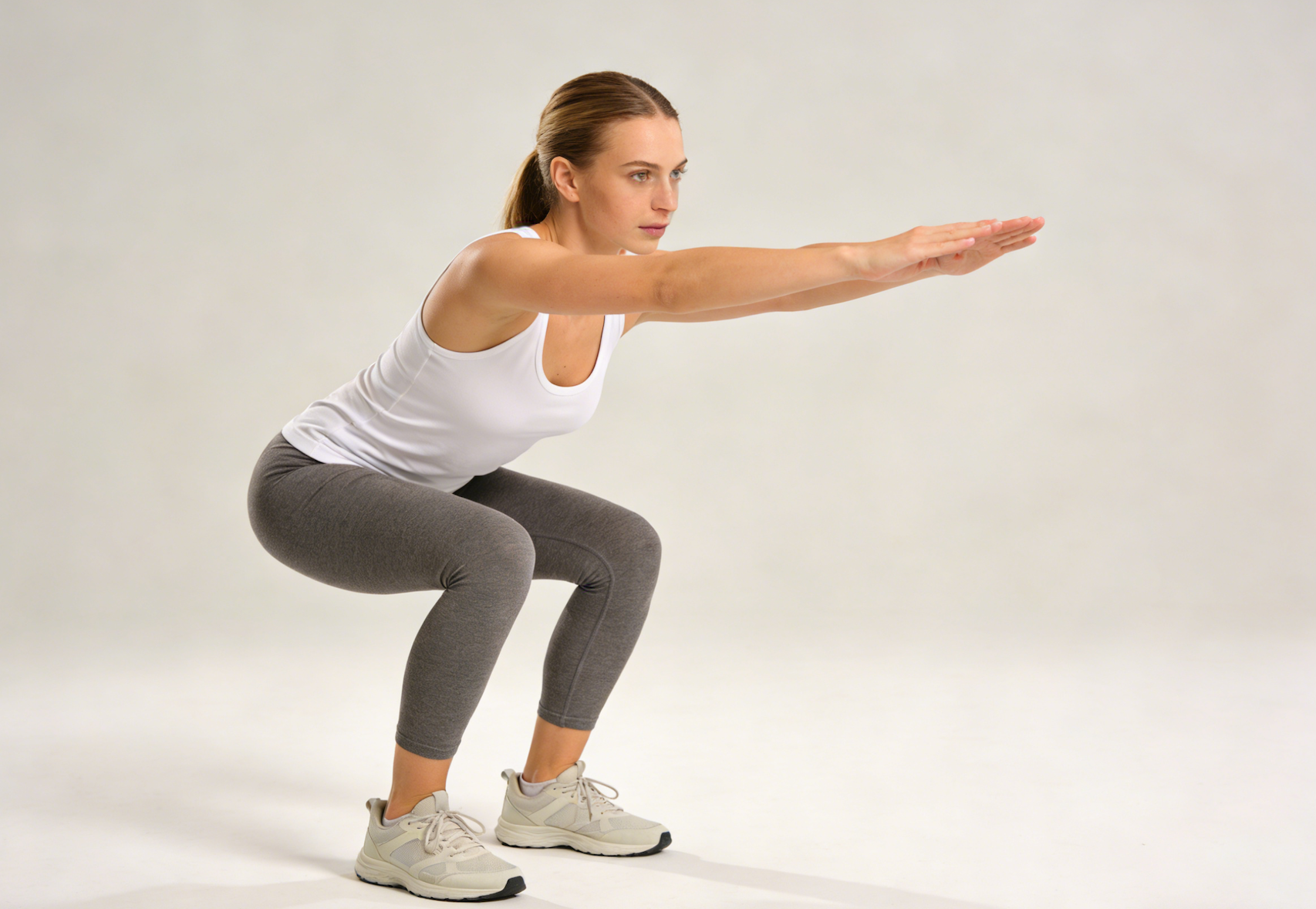
Women's Exclusive Finger and Buttock Shaping Exercises: An Effective Weight Loss Guide
This article provides specific exercises for women to improve finger dexterity and gluteal shaping. These simple movements effectively promote local circulation and tighten muscles, which are crucial for achieving scientific weight loss and body shape management. Consistent practice not only aids in overall weight loss but also enhances feminine charm, making it an effective supplement to a daily healthy weight loss plan.
2026-02-02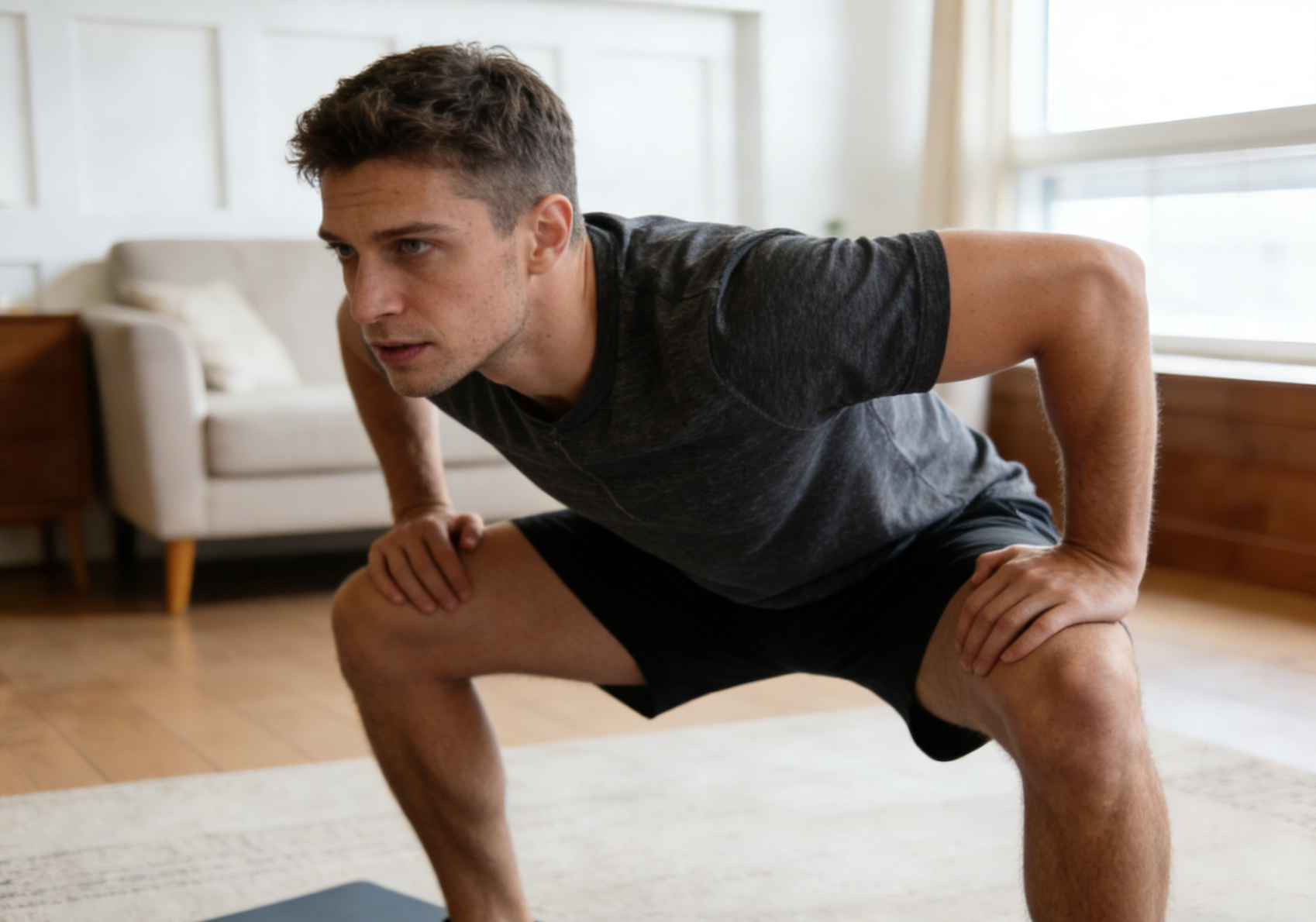
Highly Effective Thigh Shaping Exercise Guide: Firm Lines Aid Weight Loss
This article provides several effective exercises for shaping the inner and outer thighs, including massage and dynamic exercises, designed to eliminate excess leg fat and tighten muscle lines. These exercises effectively promote localized fat reduction and are an important part of achieving scientific weight loss and body management. Consistent practice will allow thigh slimming to be achieved simultaneously with overall health.
2026-03-10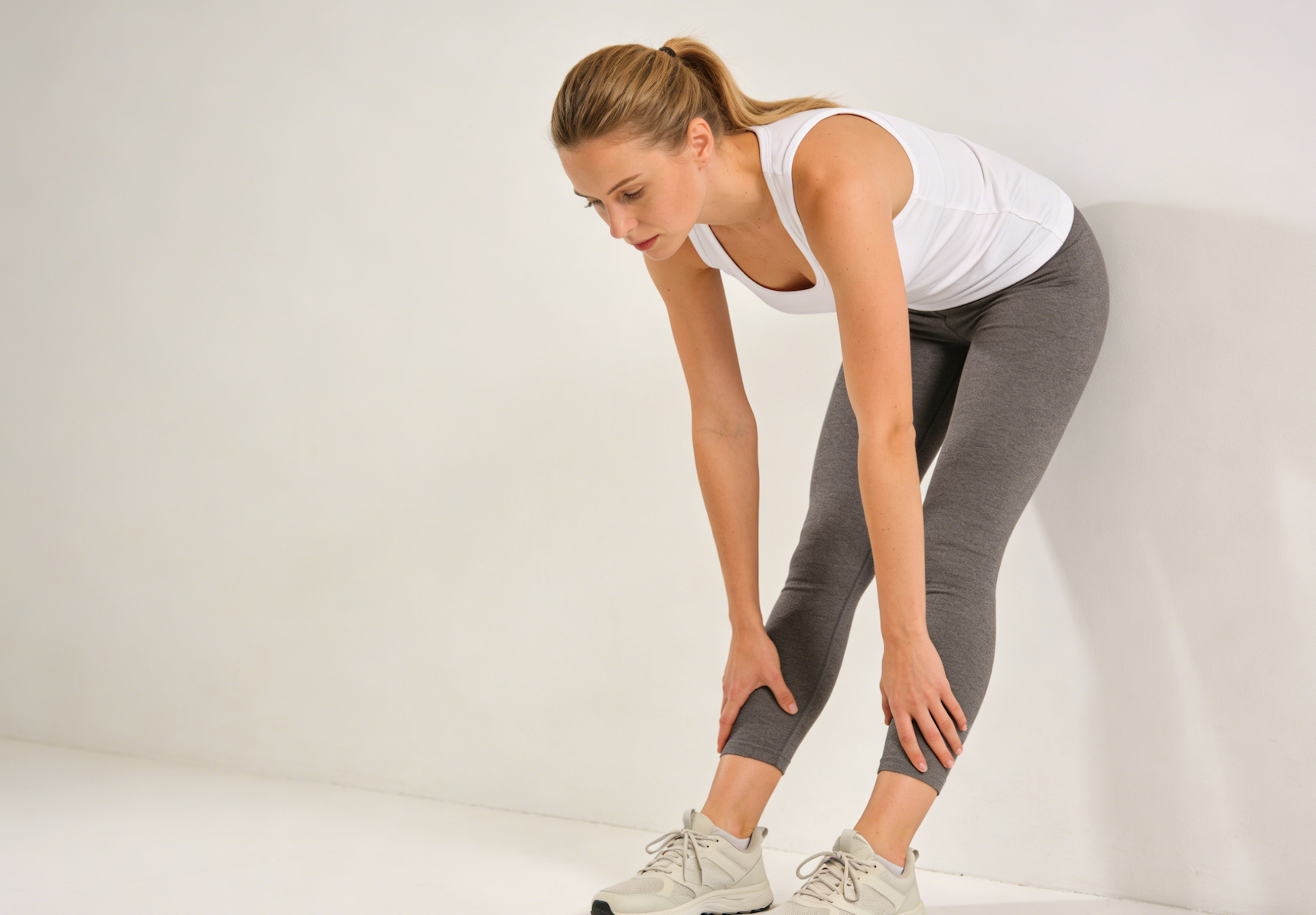
Effective Calf and Foot Workout Guide: Toned Lines to Aid Weight Loss
This article provides a series of exercises targeting the calves and ankles, including ankle joint movements and walking on tiptoe, designed to eliminate stubborn fat in these areas and improve leg lines. These exercises effectively promote localized fat reduction and are an important part of achieving scientific weight loss and a balanced body proportion. Mastering the correct methods will make calf reduction more noticeable and your steps lighter.
2026-03-11