
Weight Loss: Cleverly Combining Low-Fat Lunch and Snacks for Healthy Weight Loss Without Starvation
Throw away your worries and enjoy some snacks!
Tired of pretzels? Fed up with low-sugar snacks? Don't want to look at carrots anymore? No need to switch back to cupcake liners; here are some other tempting snacks that won't add fat to your thighs.
Freeze sliced turkey breast for sandwiches (freshly sliced turkey breast keeps for 2-5 days). Stuff the turkey with lettuce.
Add chopped fruit and cooled roasted chestnuts to nonfat yogurt. Try adding chopped banana chunks to vanilla yogurt or chopped strawberries to strawberry yogurt.
Toss leftover fresh pasta with olive oil to prevent it from sticking, then seal it in a plastic bag and freeze. Add 1 tablespoon of nonfat seasoning to 1 cup of frozen leftover pasta to make a quick pasta salad. Add some leftovers to low-fat oatmeal cookies or whole-wheat crackers, sandwiched with slightly softened nonfat yogurt, and you've got a homemade sandwich. You can wrap it tightly and store it in the refrigerator. Peel and slice various citrus fruits; the quickest way is to mix grapefruit and orange segments together.
Potato snacks are delicious. To make them, bake a few potatoes and store them in the freezer. Once ready, cut the potatoes in half and hollow them out with a spoon, leaving a 1/4-inch thick wall. Fill the inside with shredded low-fat cheddar cheese and chopped green onions. Bake about 5.5 inches away from the heat until the potatoes are heated through and the cheese inside is melted, which should take about 4 minutes.
Heat frozen waffles according to package directions. Make a honey yogurt by mixing equal parts honey and plain nonfat yogurt. Spread this honey yogurt on the crackers and add a few slices of banana or apple.
Make a simple and delicious thick sauce. Add half a cup of nonfat yogurt to half a cup of nonfat cheese, and season with 1 or 2 tablespoons of herbs to your liking, such as basil, dill, and tarragon. Serve with fresh vegetables or low-fat whole-wheat crackers.
Alternatively, try mixing low-fat cheese with red, yellow, and green bell pepper or carrot strips for a different flavor profile. Place seedless grapes and pitted peaches in mango and nectarine chunks, put them in a plastic bag, and refrigerate. They'll quickly refresh you, almost like an ice-cold soda.
Choose some fresh, unprocessed vegetables, cut them into bite-sized pieces, and refrigerate. Serve with a low-fat sauce or plain. Cherry tomatoes, candied peas, turnips, pearl mushrooms, Jerusalem artichokes, fennel beans, cabbage, celery chunks, radishes, or jicama chips can all whet your appetite.
Low-Fat Lunch: A Lunch Strategy Away from Home
Besides making your thighs bigger, a high-fat lunch will leave you sluggish in the afternoon, when you should be mentally sharp. Therefore, low-fat foods are best for lunch.
Kathy Demoff, former weight loss program coordinator at St. Elizabeth's Health Center in Ohio, says: "Besides being low-fat, the ideal lunch should also be balanced, which means you should eat a piece of fruit, a plate of vegetables, two pieces of bread, a small piece of meat, and milk. What are these foods? An apple and a sandwich made of two slices of whole-wheat bread, one or two slices of turkey, and some lettuce, tomatoes, sprouts, or bell pepper strips."
This means that most of your food consists of fruits, grains, and vegetables, which is characteristic of a healthy diet. You don't have to eat turkey sandwiches every day; there are many ways to keep your lunch nutritionally balanced.
Bring Your Own Lunch
In today's increasingly busy and stressful life, preparing lunch can be a waste of time.
But would you be willing to earn $1,000 a day? When Dimov asked the women at her healthy eating center if they would prepare lunch for $1,000 a day, everyone raised their hands.
“It turns out that making time to prepare lunch is a priority.” So, with the help of the following suggestions, put making lunch at the top of your list of tasks.
Monday Food Storage
On Monday morning, prepare all your lunch ingredients. That means packing bananas, canned soup, crackers, apples, applesauce, and cereal to last a week.
Make a Delicious Sandwich
Didimov says that just one sandwich can contain everything you need for lunch: bread, vegetables, and protein. Here’s how she teaches you to make a sandwich.
Choose whole-grain bread for a more substantial meal, as it contains more fiber, and whole-wheat flour makes you feel full faster than refined flour.
Avoid processed meats and opt for lean cuts like chicken, turkey, or roast beef. Limit your meat intake to no more than 3 ounces.
Eat plenty of vegetables, including any with shoots, cucumber slices, bell peppers, shredded carrots, onion rings, mushroom slices, lettuce, and cabbage. These vegetables will add moisture to your sandwiches, reducing the need for mayonnaise.
Have a party. For holiday occasions, make some bean paste or buy ready-made condiments and store them in a container before cutting food for dipping.
Soup. If your lunch consists of bread or low-fat crackers, adding vegetable soup will make for a better meal. This will encourage you to eat less. A study from the Obesity Research Center at St. Luke's Hospital in New York showed that people who ate soup at lunchtime ate less and were more satisfied.
University of California nutrition and internal medicine professor Judith explains that this is because the soup is hot, so you eat it more slowly. This gives you enough time to realize you're full. Homemade soup is ideal, but canned soup is also good, as long as you check the label and make sure it's low in fat.
Prepare Lunch in Advance
Here's a really time-saving tip: eat what you cooked last night for lunch. Mary, author of *Fresh & Quick* and a monthly columnist for *Good Appetite*, says, "If you're having salmon for dinner, prepare an extra one for lunch." Salmon tastes better cold; you can eat it with a prepared potato salad and cucumber slices drizzled with lemon juice and olive oil. "
Break with Traditional Eating Habits
There's no reason you should bring a traditional lunch. How about a whole-grain meal you like topped with low-fat yogurt or skim milk and some fruit pieces?
Case Study: Escaping the Salad Trap
Sue Grand wanted to lose weight, so she stopped eating turkey sandwiches and soup for lunch. Now she eats only one salad a day—a large pile of lettuce, a little cheese, turkey, eggs, and croutons, a bunch of crunchy vegetables, and some biscuits. She prefers Russian salad dressing, although she often opts for Italian. The problem is, instead of losing weight, she gains weight. Why?
Salads are a staple food for dieters, and a perfectly acceptable one—they not only keep you healthy but also make you feel full. When she adds her usual salad dressing and lots of cheese, eggs, and croutons to her lettuce, she falls into the salad fat trap.
What if Sue added two slices of bread and two slices of turkey to her sandwich?" With a little lettuce, tomatoes, two tablespoons of standard mayonnaise, and a glass of vegetable soup, her lunch would provide 375 calories and 14 grams of fat. That's good. If Sue were to take out a large salad bowl with lettuce and her favorite toppings, her lunch would provide 596 calories and 36 grams of fat—far too much for someone trying to lose weight.
Salads are a healthy way to lose weight, especially with lots of vegetables like Sue's, but this won't help her unless she removes the high-fat ingredients from the toppings.
The key to a low-fat lunch is portion control. When you're avoiding high-fat foods, soups, salads, and sandwiches are satisfying options; you must try to avoid adding large amounts of high-fat toppings.
Navarre Kirkland, Dallas Private Nutrition Consultant, Spokesperson for the American Diet Association
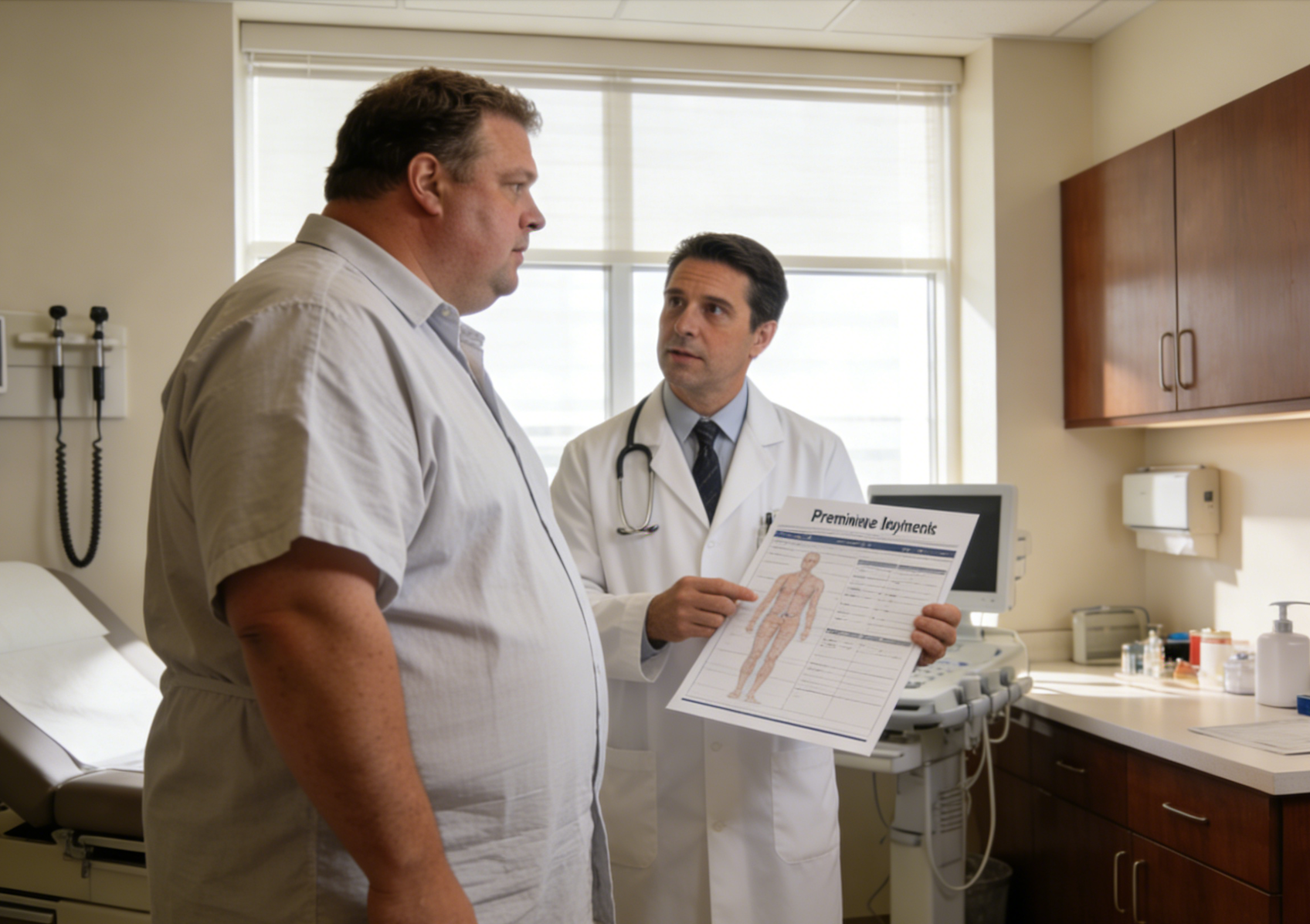
Detailed Explanation of Wet Liposuction Procedure: Scientific Weight Loss Surgical Process and Post-operative Care
This article provides a detailed analysis of the surgical procedure for wet liposuction, including anesthesia selection, incision design, and postoperative care. This surgical procedure effectively achieves localized fat reduction by precisely removing subcutaneous fat, making it a scientifically sound method for body contouring. Understanding the complete surgical steps and recovery process helps patients make informed weight loss decisions.
2026-03-13
Important things to know about wet liposuction: Eight complications and safety precautions
This article systematically reviews eight potential complications of wet liposuction as a surgical weight loss method, ranging from common bruising to rare pulmonary fat embolism, and provides corresponding prevention recommendations. Understanding these risks is an important prerequisite for ensuring surgical safety and achieving scientific weight loss. While pursuing body shape improvement, safety should be prioritized to achieve truly healthy weight loss goals.
2026-03-14
Analysis of Tumescent Liposuction: How to Achieve Minimal Bleeding and Highly Effective Localized Weight Loss
This article provides a detailed analysis of the principles and procedures of tumescent liposuction, which significantly reduces intraoperative bleeding through the injection of a specially formulated tumescent solution, achieving safe and efficient localized fat reduction. As an advanced liposuction technique, it offers a scientific option for patients seeking precise body contouring and weight loss. Understanding its advantages and precautions is crucial to ensuring both effectiveness and safety.
2026-03-15