
How does obesity increase the risk of gallstones? Scientific weight loss is key.
Gallstones
Gallstones refer to the formation of stones in any part of the gallbladder, intrahepatic or extrahepatic bile ducts. Based on their composition, gallstones are classified into cholesterol stones and pigment stones. Obesity is closely related to gallstone formation. Epidemiological studies show that obesity is a predisposing factor for cholesterol stones. The reasons why obese patients are prone to gallstones may include the following:
1. Cholesterol Supersaturation Due to High Cholesterol Secretion
The precipitation of solid cholesterol crystals from supersaturated bile is a necessary factor for the formation of cholesterol stones. When cholesterol concentration increases or bile salt and lecithin concentrations are relatively insufficient, cholesterol in the bile becomes supersaturated, and cholesterol crystals easily precipitate. In obese individuals, triglycerides and cholesterol levels in the blood are consistently elevated, leading to increased cholesterol secretion in the biliary system and causing cholesterol supersaturation.
2. High HMG-CoA Reductase Levels in Obese Individuals
Bile acids are an important preventative factor for both cholesterol stones and pigment stones. Cholesterol is a raw material for the synthesis of bile acids in the liver. The rate-limiting enzyme for bile acid synthesis is cholesterol-7α-hydroxylase, and the rate-limiting enzyme for cholesterol synthesis is HMG-CoA. In obese individuals, HMG-CoA reductase activity is increased while cholesterol-7α-hydroxylase activity is decreased, leading to bile supersaturation.
For the treatment of gallstones, obese patients and those with high blood lipids should appropriately restrict their fat intake. For biliary colic, jaundice, and other gastrointestinal symptoms caused by gallstones, symptomatic treatment should be given, and litholytic therapy may be necessary in some cases.

Unveiling the true role of eggs: A scientific understanding of cholesterol for healthy weight loss.
This article scientifically analyzes the relationship between eggs and cholesterol, clarifies common misconceptions, and explains the rich nutritional value of eggs. Eggs can effectively suppress appetite and boost metabolism, making them an excellent choice for healthy weight loss. Understanding eggs correctly and incorporating them into your daily diet can provide crucial nutritional support during the weight loss process.
2026-03-03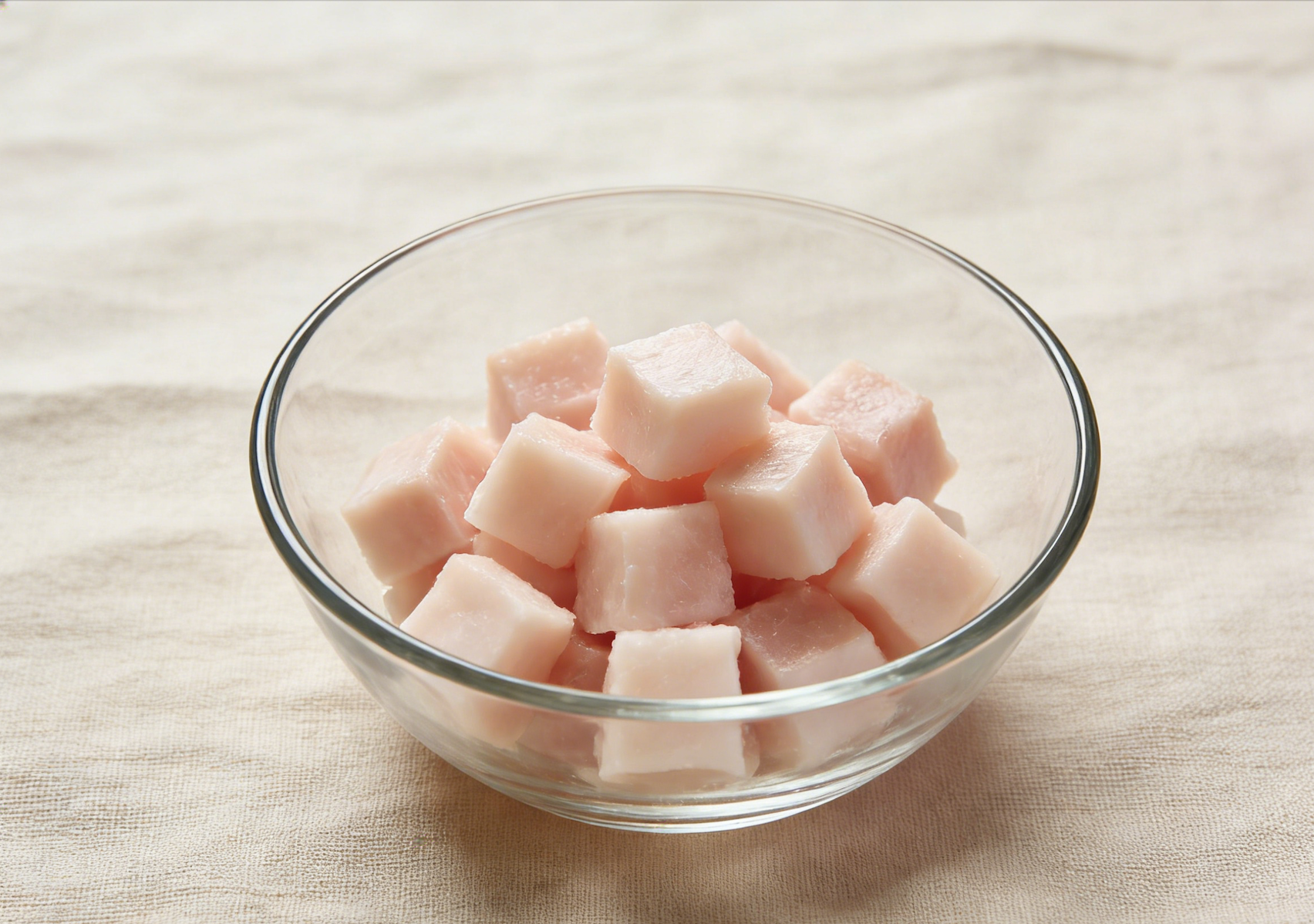
The truth about lard and health revealed: Scientific understanding helps you lose weight more effectively.
This article reveals that lard is rich in high-quality fats and nutrients, clarifying common misconceptions about its impact on cardiovascular health. Moderate consumption of lard and other high-quality fats helps stabilize metabolism and balance hormones, providing healthy support for scientific weight loss and contributing to safer and more effective weight management goals.
2026-03-03
Can coconut oil really help with weight loss? A scientific analysis of the truth about slimming.
This article explores whether coconut oil can truly aid weight loss, analyzing how its rich content of medium-chain triglycerides (MCTs) can boost metabolism and suppress hunger. With proper selection and usage, coconut oil can be an effective aid in healthy weight loss, helping to improve fat burning efficiency and achieve better weight loss results.
2026-03-03