
Scientific weight loss diet: How to switch to fat-burning mode for efficient weight loss
The human body has two different energy supply modes: glucose-burning mode and fat-burning mode. To effectively burn fat, you must switch from the glucose-burning mode to the fat-burning mode. In a diet high in carbohydrates, the body prioritizes using glucose as fuel. Glucose is the fastest way to supply energy, so when using glucose for energy, the body rarely burns its own fat for energy.
However, when we reduce our intake of carbohydrates, the body chooses its second largest energy source, using fat as the primary fuel. The body then begins to burn its own fat and ingested fat for energy. When using fat for energy, we enter the fat-burning mode. If too many carbohydrates are consumed, the body will stop burning fat and switch back to the glucose-burning mode.
Therefore, to burn fat for energy, you must reduce your carbohydrate intake while actively consuming sufficient protein and fat.
In addition, we can utilize gluconeogenesis to help the body burn fat. When carbohydrate intake is reduced, the body helps maintain a certain blood sugar level by synthesizing glucose from non-carbohydrate substances such as protein and fat. This process is called gluconeogenesis.
Because the efficiency of converting these non-carbohydrate substances into glucose is not as high as directly using carbohydrates, the body needs to burn 20% to 33% more calories to facilitate gluconeogenesis. This indirectly allows the body to burn more fat. Similarly, if too many carbohydrates are consumed, the body will stop gluconeogenesis.
To better burn fat, you must actively consume the "raw materials" used for gluconeogenesis, such as protein, fat, vitamins, and minerals. Because when the body's protein content is insufficient, the body will begin to break down muscle for gluconeogenesis. Muscle is the basis for maintaining basal metabolic rate. Therefore, dieting and avoiding meat will not help us successfully lose weight.

Highly Effective Thigh Shaping Exercise Guide: Firm Lines Aid Weight Loss
This article provides several effective exercises for shaping the inner and outer thighs, including massage and dynamic exercises, designed to eliminate excess leg fat and tighten muscle lines. These exercises effectively promote localized fat reduction and are an important part of achieving scientific weight loss and body management. Consistent practice will allow thigh slimming to be achieved simultaneously with overall health.
2026-03-10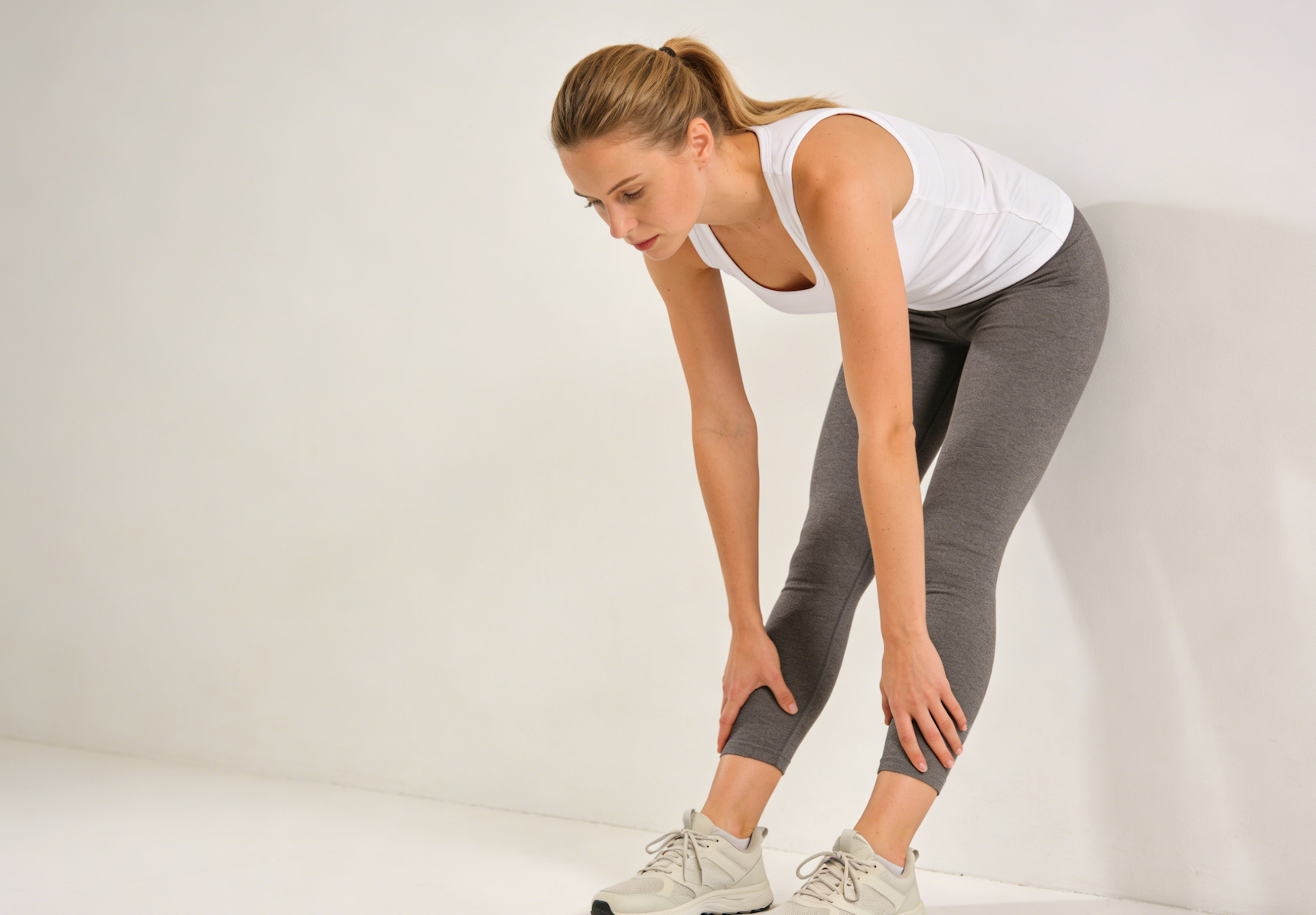
Effective Calf and Foot Workout Guide: Toned Lines to Aid Weight Loss
This article provides a series of exercises targeting the calves and ankles, including ankle joint movements and walking on tiptoe, designed to eliminate stubborn fat in these areas and improve leg lines. These exercises effectively promote localized fat reduction and are an important part of achieving scientific weight loss and a balanced body proportion. Mastering the correct methods will make calf reduction more noticeable and your steps lighter.
2026-03-11
Understanding Energy Balance Scientifically: From Theory to Weight Loss Practice
This article, starting from the theory of energy balance, delves into the mechanisms by which energy intake and expenditure affect body weight. Understanding this principle is a key foundation for achieving scientific weight loss and can help develop more effective weight loss strategies. Mastering the laws of energy balance makes weight loss twice as effective.
2026-03-14