
Adjust Your Mindset, Understand Fat Scientifically, Lose Weight Easily and Without Rebound
Don't let yourself be controlled by "shoulds." Women know perfectly well how they "should" eat, how they "should" exercise, and even how they "should" think. The problem is, nobody likes being told what to do, and besides, it's impossible to sustain something you don't want to do.
"The word 'should' is a killer," says Dr. Olson. "I dare say 99% of the women who come here say, 'I know what I should do, but why don't I do it?' Of course, they don't realize the answer is in the question: the more you 'force' yourself, the more resistance you encounter."
What really helps is developing a weight loss plan that suits you. The book *Conquering Obesity* can provide advice and suggestions in this regard. Gradually and progressively integrate some practical suggestions into your life. Don't try to force yourself to accept habits you don't want to accept to build your mental resilience.
Your emotions and mindset will affect your ability to stick to your weight loss plan. For example, women tend to overeat when they are in a bad mood, stressed, anxious, or depressed. "I once saw a woman say, 'No matter what mood I'm in, I can eat a lot for it,'" says Dr. Olson. The "Conquer Obesity" program teaches you to control your emotions so they don't drive you to the refrigerator, thus controlling your eating more "effectively." "
A New Life
A new life unfolds before us. No more forbidden foods, no more forcibly depriving ourselves of delicious food, no more guilt, and no more endless workouts. From this day forward, you take the first step towards a new lifestyle. From this book, you will learn many ways to overcome obesity. *Conquering Fat* will ultimately provide you with practical solutions.
Fat Report: How Women's Bodies Are Shaped
When you exercise, does your body oxidize fat, dissolve it, and then excrete it through your pores as sweat?
When you eat a delicious piece of cake, do the calories go directly to your hips (or other areas where fat is concentrated), where they sneak into the fat and find a comfortable place to settle?
Of course not. But if you have any doubts about these two negative answers, then there is much you should know about how the human body produces and uses fat. Knowing what tricks fat will use to attack you in the battle against fat is your first defense. Now, let's prepare for battle." Just wait!
The Formation of Fat Cells
When that wonderful, delicious cake is eaten, where do all its calories go? Once your tongue tastes the cake, it slides down your throat. Then it enters your stomach, where gastric juices break it down. Next, it enters the small intestine, where most of the fat and nutrients are absorbed by the intestinal wall and transported to cells throughout the body via the bloodstream.
Once the fat you absorb enters your bloodstream, it easily becomes part of your body. One gram of fat carries more calories than one gram of carbohydrate or protein. Therefore, it's easier for the body to store two portions of fat than one portion of protein or carbohydrates.
The problem is, our bodies have a near-limitless capacity to store fat. When space in fat cells becomes slightly limited, they can continuously grow.
Fat cells can also reproduce. The number of cells in our bodies is determined by our genes at birth. As we grow, our bodies… The continuous generation of new cells continues until we reach adulthood. After adulthood, the proliferation of fat cells ceases, by which time we have accumulated 30 billion fat cells in our bodies—a difference of only a few million between individuals.
Adults only produce more fat cells in two situations: pregnancy (specific to women) and weight gain. Yes, weight gain is unpleasant, activating fat cells, but it also seems to offer an opportunity: fat cells only begin to be produced when your weight exceeds the normal range by 60%. That is, if your normal weight is 130 pounds, new fat cells will only be produced when you weigh 208 pounds. Once these cells are formed, they will remain with you for life.
Fat cells are essentially energy reservoirs. Every pound of fat stored in our bodies can release 3500 calories. When our bodies lack carbohydrates and protein to release energy, fat cells can dissolve a small amount of fat into the bloodstream. A substance in the blood called lipoprotein lipase will... Fat is broken down and transported to cells that need it.
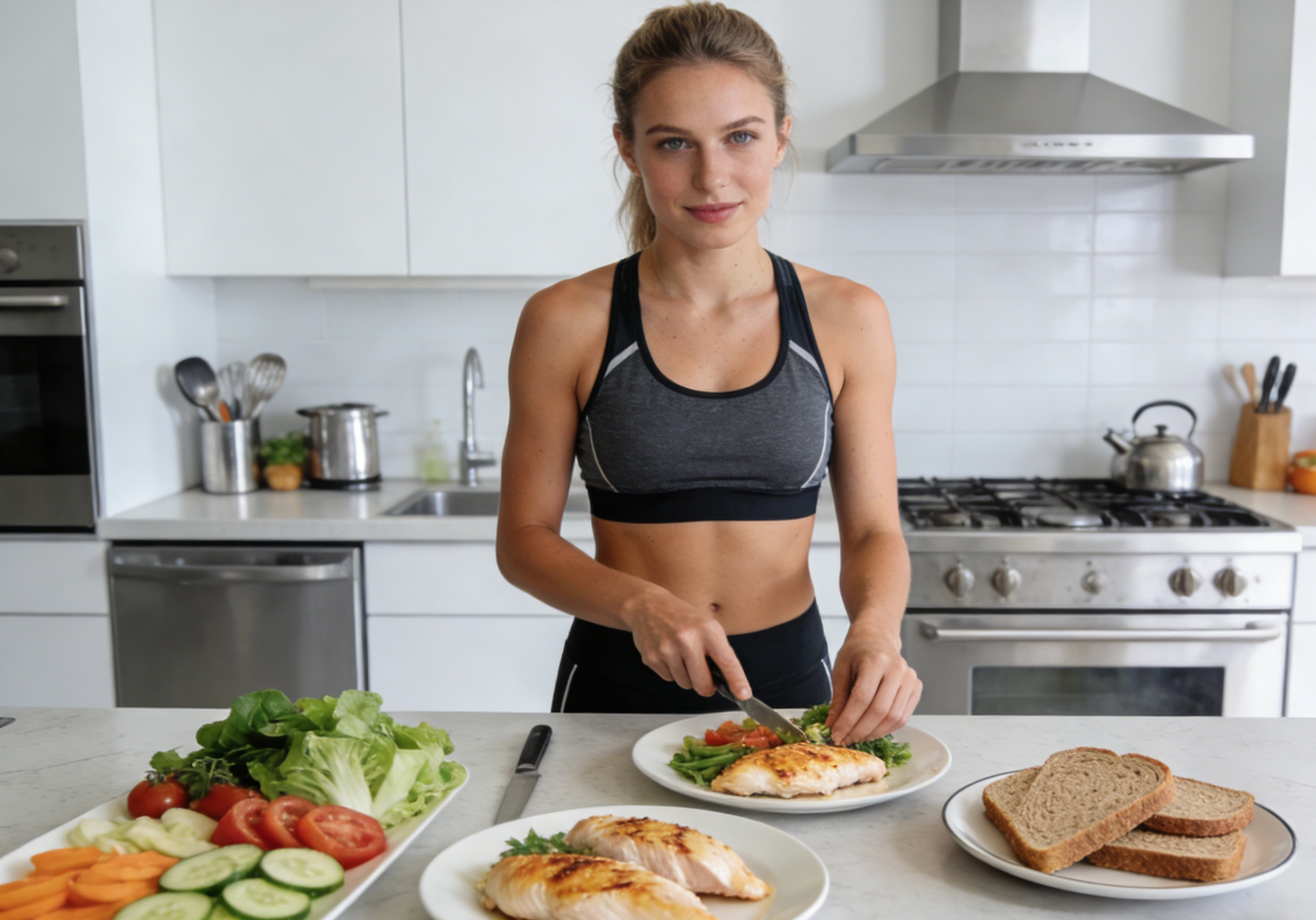
How to choose staple foods for weight loss? 3 types of high-quality alternatives that allow you to eat until you're full without gaining weight.
This article explains how to scientifically choose staple foods during weight loss, recommending high-fiber root vegetables, resistant starch, and konjac as excellent alternatives. By replacing refined grains, you can stabilize blood sugar, increase satiety, and achieve healthy weight loss. Mastering these staple food selection techniques will make the weight loss process easier and more effective.
2026-02-02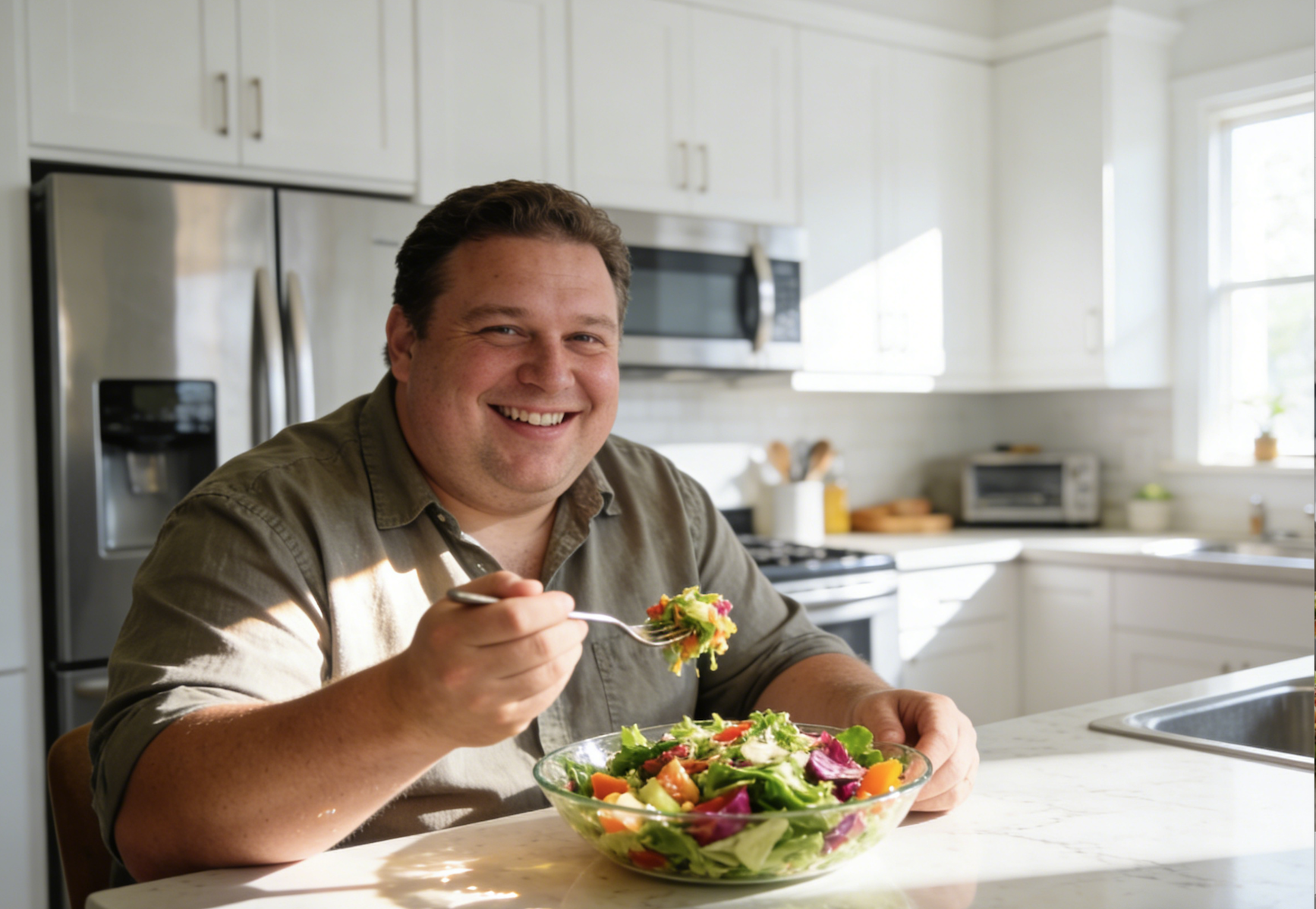
Trying to lose weight by only eating vegetable salads? Beware of the dangers of nutritional deficiencies and decreased metabolism.
This article reveals the drawbacks of relying solely on vegetable salads for weight loss, such as nutritional deficiencies, decreased basal metabolic rate, and health risks. Effective and sustainable weight loss requires a focus on comprehensive nutrition, avoiding hormonal imbalances, and maintaining proper bodily functions and a healthy metabolism.
2026-02-26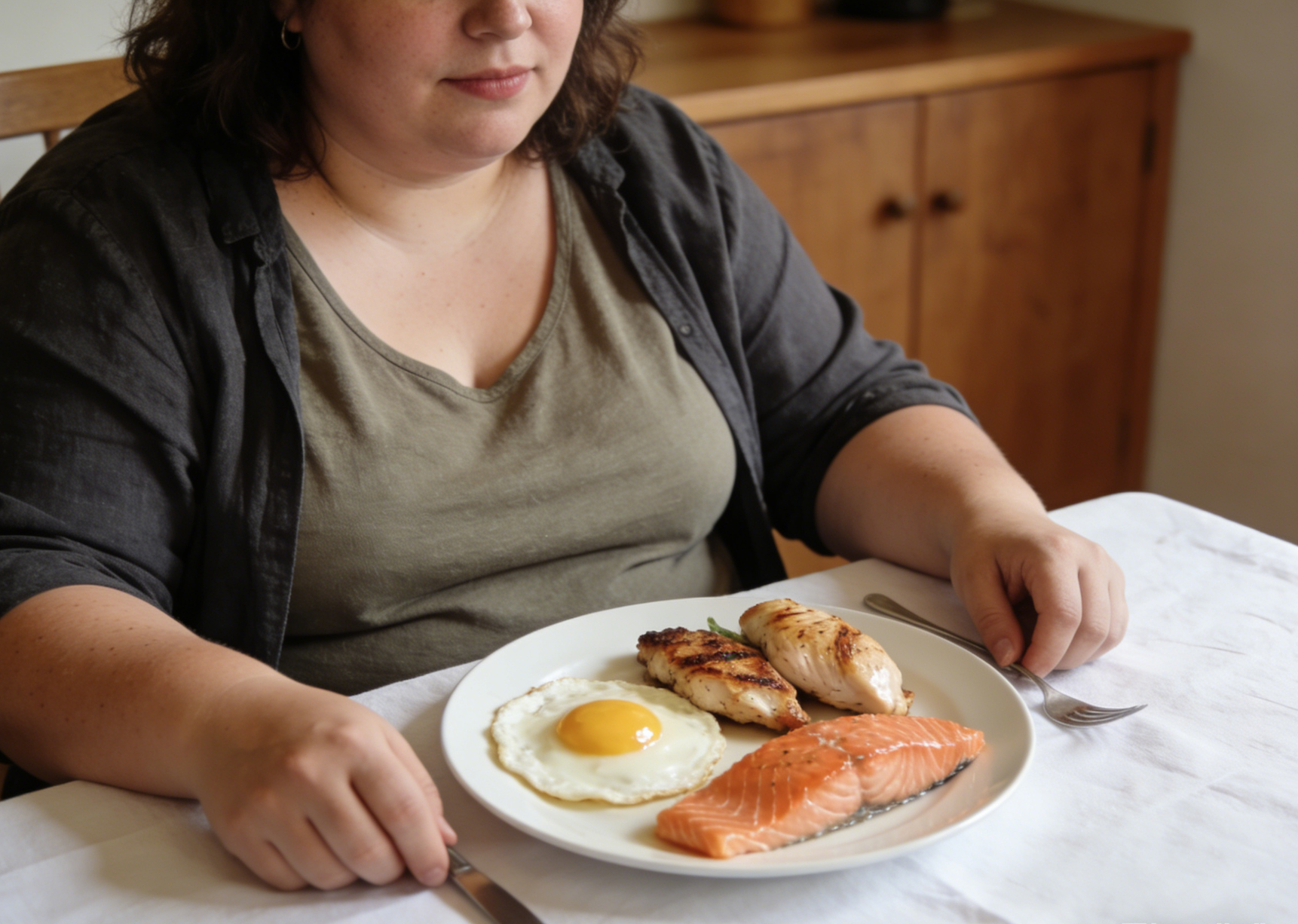
The biggest misconception about weight loss: avoiding meat? A complete analysis of protein intake.
This article debunks common misconceptions about avoiding meat during weight loss and explains the crucial role of protein in controlling appetite and boosting metabolism. By increasing the intake of high-quality meat, you can effectively promote fat burning and achieve healthier, more sustainable weight loss, breaking the misconception that only a vegetarian diet leads to weight loss.
2026-02-27