
Weight Loss: Eat a Healthy Breakfast Scientifically to Stabilize Metabolism and Promote Healthy Fat Reduction
Women's Consultation
Even if I'm not hungry, do I have to eat breakfast?
The body is like a stove; it needs fuel to burn—in this case, food. Like a home heater, the most efficient way for the body to use fuel is to keep it burning continuously, rather than adding fuel, quickly burning most of it, extinguishing the fire, and then reigniting it. Therefore, just as a steady, continuous burn is best for your stove, a steady, continuous supply of food is best for your body.
In the morning, when you wake up, you have very little fuel in your body. If you plan to skip breakfast to get through your busy morning, you'll have to rely on your body's reserves.
Some women struggling with weight skip breakfast and then lunch, and when it's finally time to eat, they lose control over what and how much they eat. However, skipping meal after meal doesn't mean you can eat whatever you want at dinnertime. If you eat a substantial breakfast and then have lunch as usual, you'll have better self-control—physiologically, you won't be starving at the end of the day; and psychologically, after a busy day on an empty stomach, you'll feel entitled to eat two or three times the amount of dinner.
One way to convince yourself to eat breakfast is to think of it as refueling your body, even if you're not very hungry when you wake up. You don't have to sit down and eat a large meal to fuel your body; some fruit, cereal, skim milk, or a bread roll will do.
Another helpful way to form a breakfast habit is to avoid eating too much at night, which will make you feel very full in the morning. Remember, eating at night is like adding fuel to a fire when the amount of fuel needed is reduced.
Dr. Abby Brouch, Clinical Nutrition Research Fellow, Sloan Kettering Memorial Hospital, New York City
Time to Sleep
One way to help you wake up early enough to make breakfast is to go to bed early. Start by gradually going to bed a few minutes earlier than usual. Don't go to bed more than 15 minutes earlier each week. Set an alarm to wake you up early every day; when you wake up before the alarm rings, you know you've made it in.
The Best Breakfast
The best breakfast is also the simplest and easiest to make. What's the best? Oatmeal should be your first choice.
Oatmeal and other whole-wheat cereals are your best options. "Preparing this might seem like a hassle for busy people these days," she says, "but you can use a microwave, and it only takes a few minutes."
Furthermore, if you're on a weight loss plan, you can choose a low-sugar, high-fiber, cold oatmeal porridge, finished with some whole-wheat bread.
When choosing breakfast, keep the following points in mind:
Fiber Content
High-fiber foods, such as whole-wheat bread, oatmeal, and other cold oatmeal porridges, help keep blood sugar levels stable. These foods are also filling and keep you feeling full for longer.
When choosing cereal for breakfast, make sure it contains at least 4-5 grams of fiber per serving; the higher the fiber, the better (you can check the nutrition facts label on the packaging). You can get more fiber by adding strawberries, banana chips, or other fruits to your cereal.
Avoid Sucrose
"Many women eat a sweetened cereal at 8 a.m. and feel very hungry by 9 a.m.," says Greibouski. This is because high sugar content in food causes the body to secrete too much insulin, leading you to eat more. Therefore, always choose foods low in sucrose.
Combinate Your Breakfast
Once you're committed to eating breakfast regularly, try to make your breakfast varied and diverse. For example, include dairy products, carbohydrates, and fruit.
When choosing dairy products, opt for skim yogurt, skim milk, or skim cheese and yogurt. Dairy products provide the protein your body needs to sustain you until lunch or a morning snack. For carbohydrates, choose hot or cold oatmeal, whole-wheat toast or bagels, or bran muffins. For fruit, choose bananas, blueberries, strawberries, or orange juice.
“People feel more comfortable eating a varied breakfast, and you’re eating more nutritious food,” says Graybowusky. Here are a few energizing breakfast combinations:
1 slice of whole-wheat toast with 1 tablespoon of peanut butter, 8 ounces of skim milk, and 1 banana.
3/4 cup of oatmeal cooked in skim milk, topped with 2 tablespoons of maltose, 1 tablespoon of honey or brown sugar, 1 tablespoon of chopped nuts, 1 tablespoon of raisins, and 1 cup of 6 ounces of apple juice. Alternatively, a scrambled egg with bell peppers and diced onions, served with a serving of skim corn tortillas and 6 ounces of orange juice.
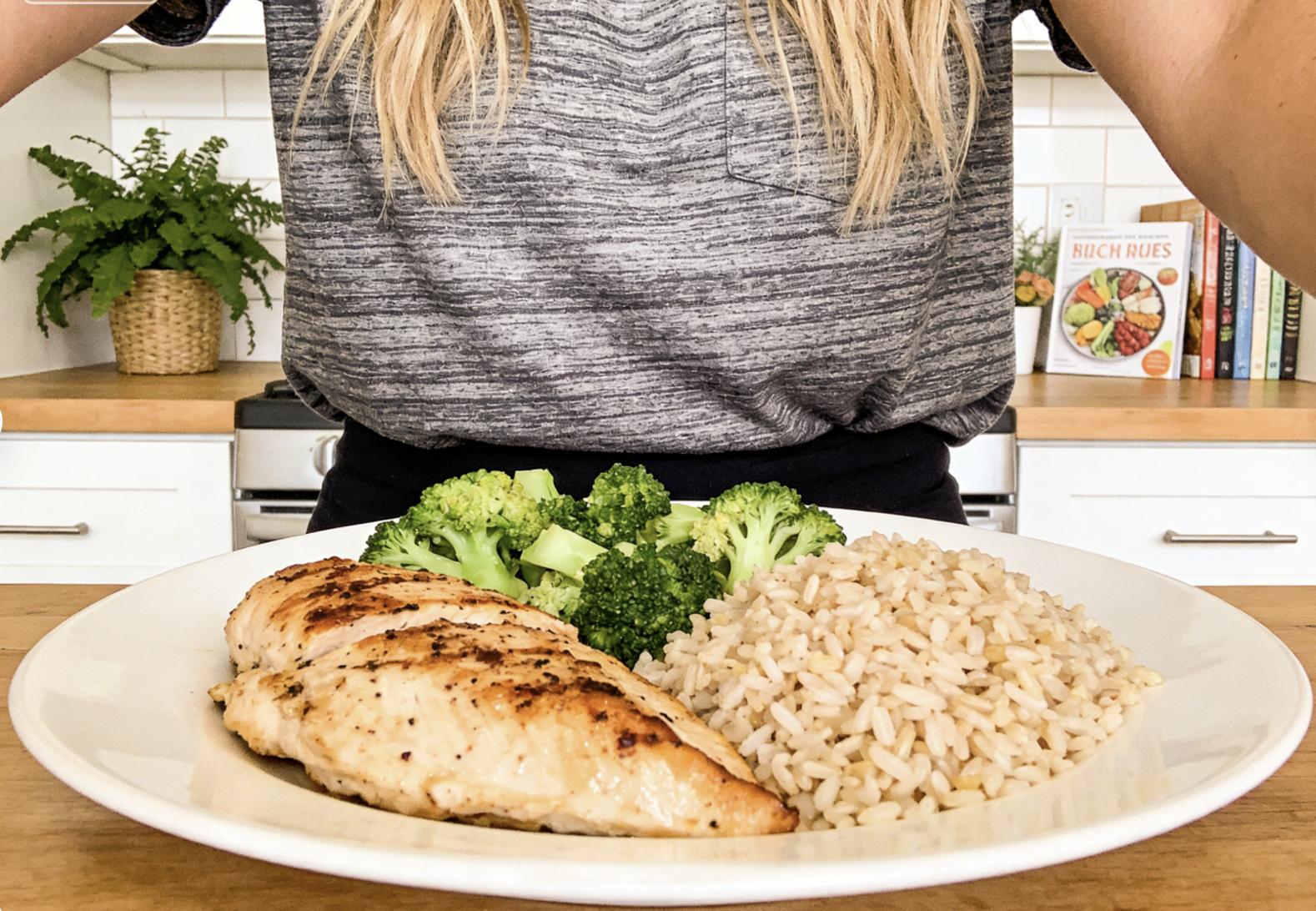
Weight Loss Meal Techniques: Practical Methods for Pre-Meal Appetite Control and Cold Rice Fat Reduction
To lose weight, consume bananas, sugar, or peanuts before meals to enhance satiety. Combine this with techniques like waiting longer between meals and eating cold rice to reduce nutrient absorption. This approach effortlessly reduces portion sizes, enabling stable and efficient weight loss.
2026-03-26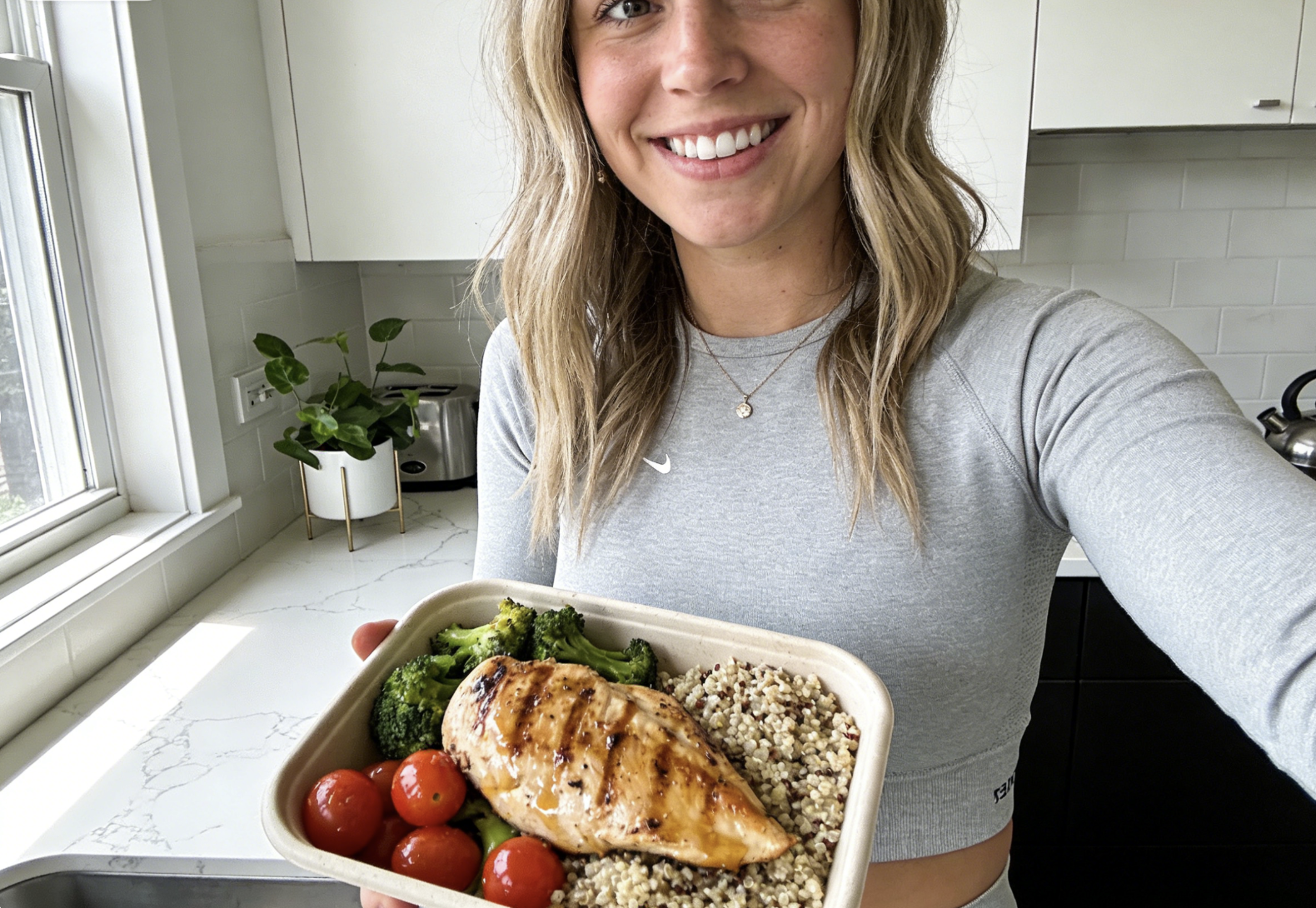
Weight Loss Tip: Let Meals Cool Before Eating to Effortlessly Reduce Calorie Absorption
Allowing meals to cool before consumption during weight loss generates more resistant starch, thereby reducing calorie absorption while preventing scalding of the oesophagus. Mastering this simple technique makes weight loss easier and safer.
2026-03-26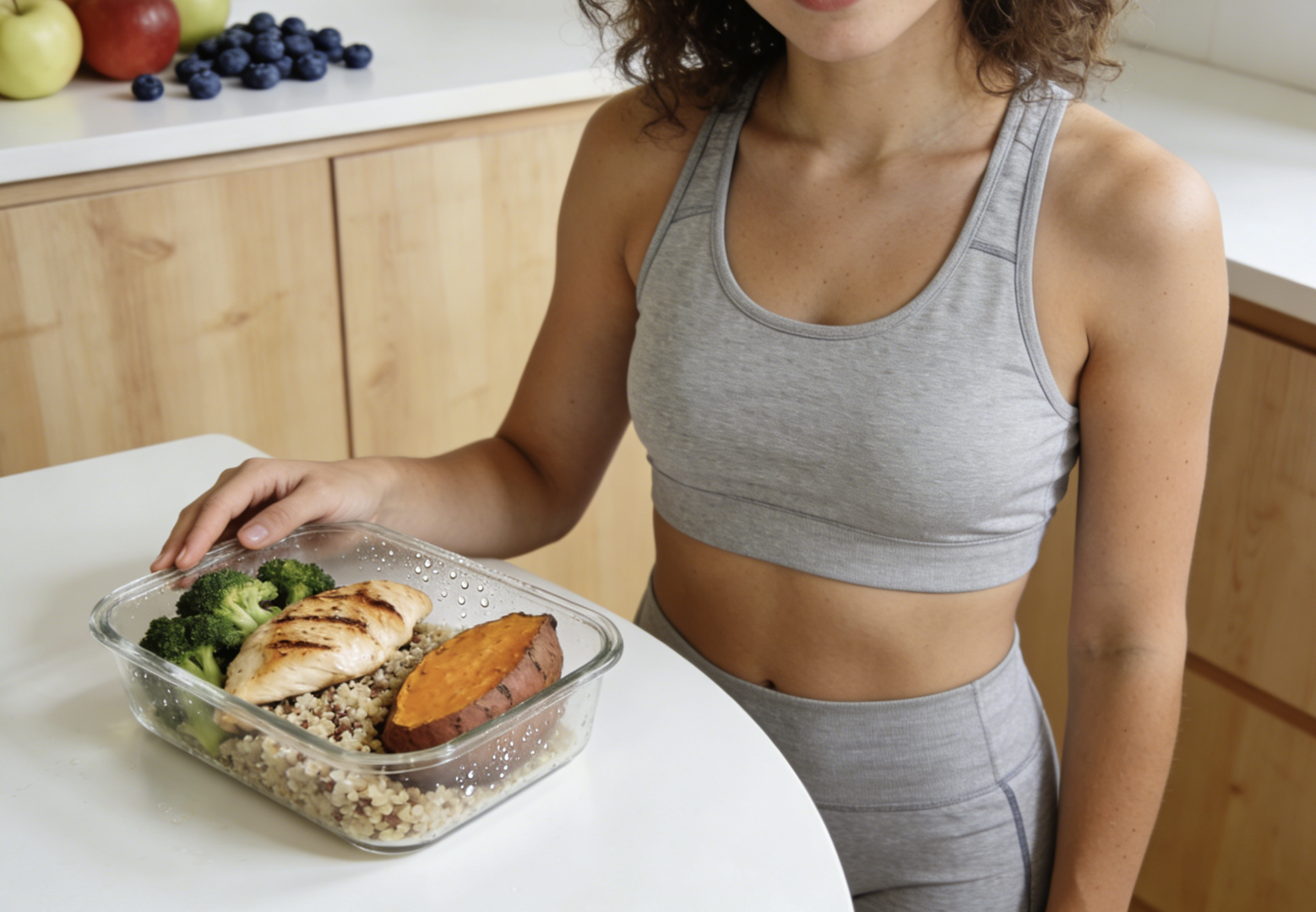
Weight Loss Through Mindful Eating and Social Dining Strategies: A Practical Guide to Eating Techniques
Weight loss achieved through mindful eating effectively reduces food intake. Techniques such as pre-meal preparation, dietary sequencing, and oil-reduction methods during social gatherings enable effortless calorie control, making weight loss easier to sustain without rebound.
2026-03-26