
Weight Loss: Boost Metabolism with a Good Breakfast, Easily Control Weight with Scientific Meals
Pre-emptively fill your stomach with something.
Drinking a large glass of water before eating at a restaurant, or taking small sips of water with each bite, will slow down your eating pace.
Control the amount of bread.
Harvey says, ask the waiter not to give you bread, or take a piece from the bread basket and return it immediately.
Try ordering smaller portions.
Harvey says, ask the waiter for a smaller portion of food; for example, you can order half the usual amount of rice and dishes.
Don't order a main course first.
Dabuna says, when eating out, order a small salad or a non-greasy soup, such as a rich meat gravy, to make you less hungry and thus only need a small portion of rice.
Or don't order a main course at all.
Harvey says, don't order a main course, but order some appetizers instead.
Eat low-fat foods first, then high-fat foods.
Eat vegetables first, then starchy foods like potatoes and bread, and finally high-calorie, high-fat meats. Generally, you're already too full to eat high-fat foods after finishing the low-fat options.
Getting Takeout
Before the waiter brings your food, ask for a food bag. Once the food arrives, quickly cut it in half, leaving one portion on your plate and putting the other in the bag under your chair. If you feel you can't resist the temptation, ask the waiter to do this for you.
Don't Be Too Hard on Yourself
If you overeat during Thanksgiving, don't feel guilty. "It's okay to break your rule once or twice. Don't constantly berate yourself for it; it doesn't mean you've failed," Harvey says. Otherwise, you really will fail because you'll think you're hopeless and give up, continuing to eat.
Start Losing Weight in the Morning
The Breakfast of a Weight Loss Champion
Skipping breakfast can cut 300 to 400 calories, which is probably equivalent to the calories you burn in the 10 minutes it takes to prepare and chew your breakfast.
But in the long run, you might eat more, gain weight, and ultimately waste time.
Studies have shown that lean people tend to eat breakfast, while overweight people tend to skip it. Here are good reasons to support this.
For some people, if you skip breakfast, you'll hear your stomach rumbling around 10 a.m. If you're lucky, you'll manage to hold out until lunch. Either way, you're likely to overeat; or you might choose poor-quality food.
“If people skip breakfast, they feel tired and irritable,” says Dr. Bonnie Spring, a professor of psychology at the Chicago Medical School. “They also feel hungry, and possibly so hungry that they binge eat until they're satisfied. Or they might grab sweets or fattening foods to boost their mood.”
Therefore, in reality, you eat to make up for or exceed the 300 to 400 calories you think you saved by skipping breakfast. And because of the energy loss, it takes you longer to get things done, meaning you waste more time than the 10 minutes you save by skipping breakfast.
Skipping breakfast slows down your metabolism.
“Breakfast is the most important meal of the day because it’s a signal from your body that it’s time to curb obesity,” says Jane McBaran, director of the Georgia Obesity Institute in Columbus and a weight management expert. When you sleep, your body stores food as fat so that you have energy to burn when you wake up. Eating tells your body’s fat-burning enzymes it’s time to get to work. If you don’t eat, your body will continue to store fat.
No more excuses. What are the two most common excuses women give for skipping breakfast? One: Not enough time to make breakfast. Two: Not hungry in the morning. It’s time to stop making excuses and do something.
Stop Eating at Night
Women often skip breakfast and also tend to eat large meals at night, usually after 6 p.m., says Diane Graybowsky, a researcher at the Malibu Longevity Center in California. This way, you won't feel hungry when you wake up, but this food will continue to contribute to your weight. This is because the body, while asleep, doesn't burn food as quickly as a body that's active. Instead, the food will be stored as fat.
Women's Day Starts with Breakfast
Julie Haze, a teacher from Youth City, Ohio, used to believe that skipping breakfast would help her lose weight. Her logic was: if you're not hungry in the morning, why consume extra calories? Now, whether hungry or not, Julie always eats breakfast. Since adding breakfast to her diet, she has lost 44 pounds.
In the past, I never ate breakfast; I would just have a cup of coffee and start working. I had read that if you wanted to lose weight, you should eat breakfast. However, I believe that if you want to lose weight and aren't hungry in the morning, then morning is a good time not to eat. Because I didn't eat in the morning, I consumed a lot of calories throughout the day. By dinnertime, I was so hungry that I was more likely to eat easy-to-prepare, high-calorie foods.
Therefore, I now make sure to eat breakfast every day—usually a bowl of rice with skim milk, a glass of citrus juice, and old-fashioned coffee with non-fat butter. Sometimes, I'll have a low-fat muffin and a slice of bread toasted in a toaster (they contain only one gram of fat), or half a bagel—but usually, I always have a cup of coffee and a glass of orange juice.
I've started learning to choose healthier foods. I don't restrict my diet; I just pay attention to the size of the food. For example, I like tortillas, but since no tortilla contains 16 grams of fat, I'd rather have a small tortilla or a small, tastier, but lower-fat muffin.
I substitute other things. When preparing breakfast, I scramble the eggs or use only the egg whites instead of whole eggs; I spread margarine on my bread instead of butter; and I drink skim milk instead of whole milk, as it tastes better and is fat-free.
Another method I've learned is to write down everything I eat—what, how much, and when. My goal is to follow the Pyramid Diet Guide's recommended serving sizes: 2–4 servings of fruit, 6–11 servings of cereal, bread, or other grains, 3–5 servings of vegetables, 2–3 servings of milk, and an equal amount of meat. And I also exercise. I try to walk or ride my stationary bike for 20–30 minutes every day.
But it all starts with breakfast.
Gradually Start Eating Breakfast
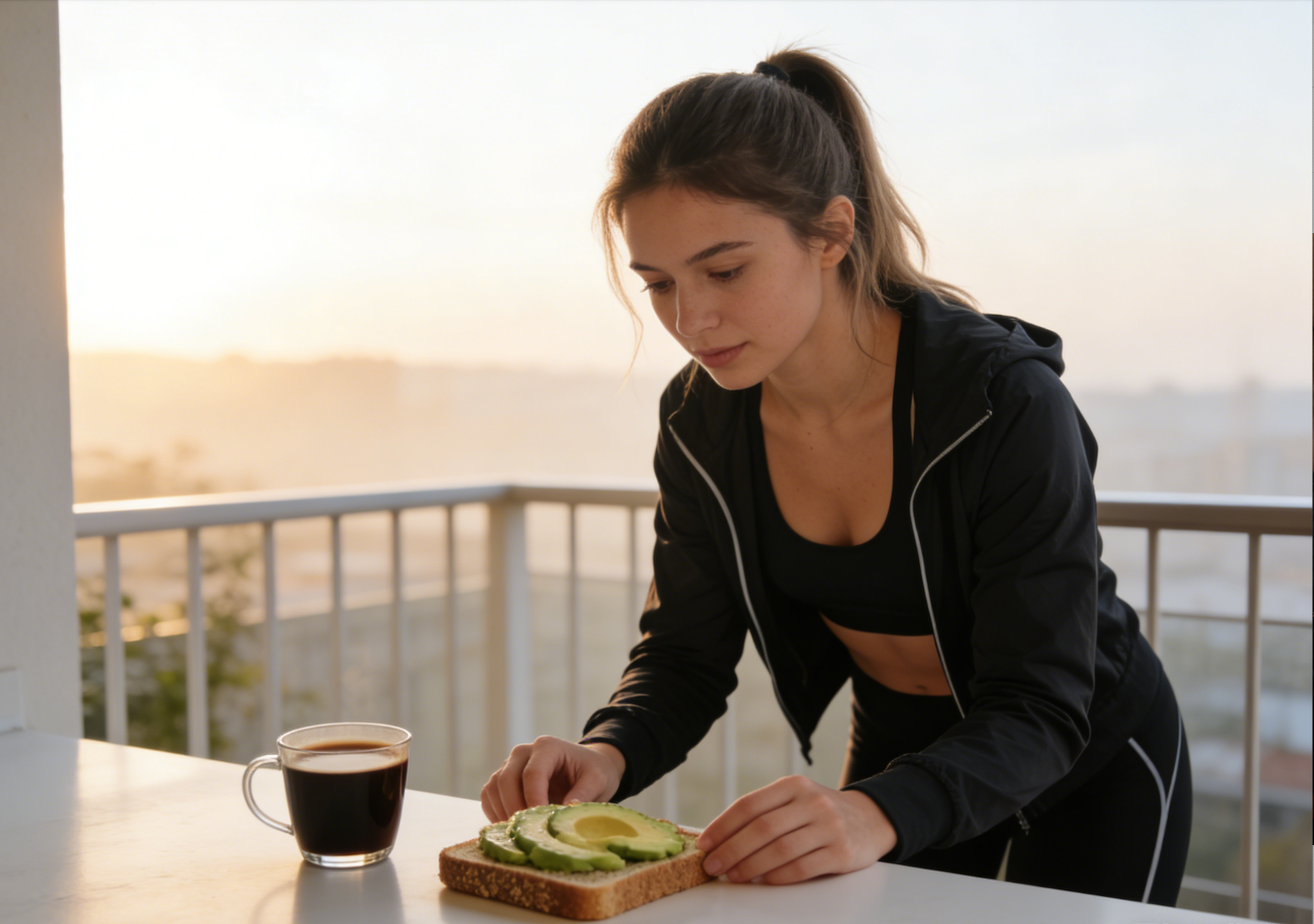
In the morning, if you're not hungry, gradually start eating something. Your first breakfast might just be a piece of fruit, such as an apple or a banana, says Grebowski.
"It's always better to have something in your stomach before you leave in the morning," she says. Other small breakfast options include yogurt or oatmeal muffins. Once you get into the habit of eating small breakfasts, you'll find yourself eating larger portions of staple foods like whole-wheat bagels.
Look for convenience. Making a bowl of cereal and drinking it takes no more than 10 minutes. Yogurt, oatmeal muffins, bagels, and fruit are all great options to eat on the go.
Do other things first. Some women don't feel hungry when they wake up, no matter how little they eat at night. That's okay. Don't turn off your alarm and go straight to breakfast. Take a shower first. Comb your hair, get dressed, and then eat. Or drive to work first and then eat. "There's no rule that requires you to eat breakfast the moment you get out of bed," says Graybowusky. "You can wait an hour before eating."
However, you should try to eat breakfast in the first few hours after waking up.
Break with tradition. There's no law that forces you to eat traditional breakfast foods. “Try fava bean and rice tortillas; it’s one of my favorite breakfasts,” says Graybowusky. Or consider leftovers from dinner or a whole-wheat turkey sandwich, just make sure it’s low in fat.
Make a fruit juice for breakfast
If you really can’t stand eating breakfast, try fruit juice instead. Try a frozen fruit smoothie, suggests Judith Stein, professor of nutrition and internal medicine at the University of California, Danfoss. The night before, slice half a banana and freeze it. In the morning, blend the banana slices with half a cup of sliced strawberries and a cup of skim milk. Add a drop or two of lemon juice for extra flavor. If you forget to freeze the banana, you can still blend it, but add an ice cube. You can also try using peaches and cinnamon instead of strawberries and lemon.
Essential Knowledge for Weight Loss: How Regular Meals Determine Your Success or Failure
This article emphasizes the importance of regular meals for weight loss, explaining how eating on time stabilizes blood sugar, avoids overeating, and thus promotes healthy weight loss. Adjusting your eating habits can effectively support your weight loss plan and help you achieve lasting results. Mastering this key will make weight loss more scientific and easier.
2026-03-25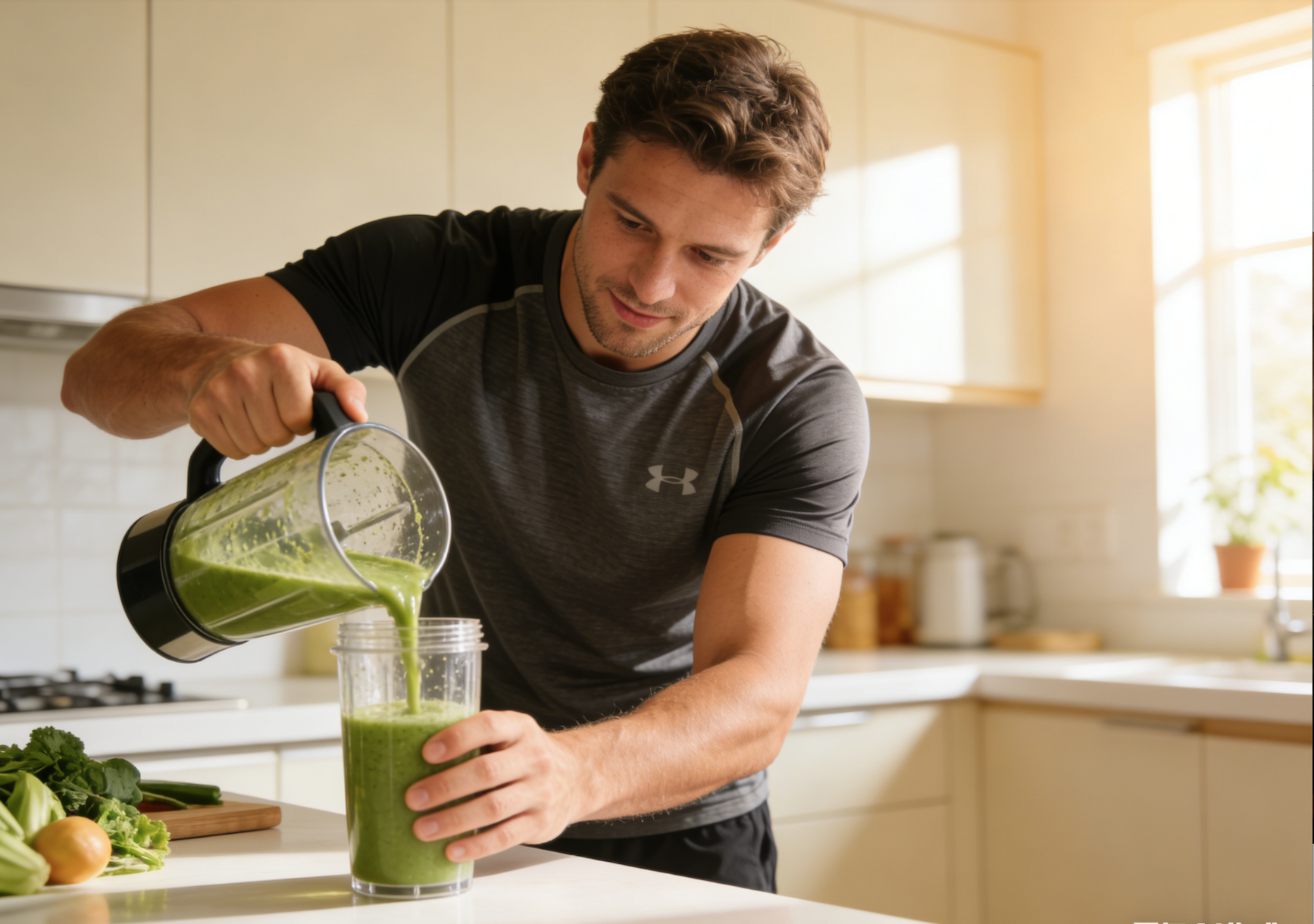
The century-old mistake of low-fat diets: Why are we getting fatter?
This article exposes the misconceptions surrounding low-fat diets, pointing out that they may lead to increased obesity and diabetes. The correct weight loss method should avoid extremely low-fat diets; scientific weight loss is the only way to achieve healthy weight loss, avoid the risk of chronic diseases, and improve overall health.
2026-03-25
Low-insulin diet for weight loss: improves various diseases and maintains weight long-term.
This article explains the positive effects of a low-insulin diet on obesity, heart disease, high blood pressure, and gastrointestinal disorders. This method not only effectively helps you lose weight, but it also reduces fat rather than water, and the weight gain is less likely, helping you achieve the dual goals of long-term health and weight management.
2026-03-25