
Weight Loss: Identifying Appetite Triggers and Scientifically Managing Your Diet to Avoid Overeating
Women's Consultation
Sometimes it seems the more I eat, the hungrier I get. Does eating make me hungry? Believe it or not, it really is. For example, many women who rush through breakfast say they feel hungrier at lunchtime if they eat breakfast. This torment of hunger is a sign of metabolic activity. So, regular eating means you feel hungry regularly, which is a good thing.
Many women on diets ignore hunger because they worry that if they eat, they will overeat. They say, "If I don't eat, I won't eat much." There's some truth to this. If you go several hours without eating or drinking, you might actually stop feeling hungry. But that simply means your body has adapted to a state of fullness, which slows down your metabolism. If you're currently trying to lose weight, that's exactly what you don't want.
In fact, it's not hunger, but appetite that makes you overeat. Here's a difference: hunger is easy to deal with; a little food can solve it. However, appetite cannot, especially when you frequently try to deny hunger. The moment you take a bite, your appetite lifts your taboo, and you easily think, "I'm eating now, and I might keep eating." The hunger quickly subsides, but you don't realize that because hunger has been replaced by appetite, you'll keep eating.
The best way to deal with hunger is to prevent it from escalating. Eat small snacks (like some carrots) to keep your metabolism running smoothly. After all, no one can ignore their rumbling stomach, so how can you? To avoid overeating, the best way is to pay attention to your body's natural responses: eat when you're hungry, and stop when you're not.
Dr. Joanne Serantano, Associate Professor of Nutrition, University of New Hampshire
Bright colors like orange, red, and yellow are far more likely to stimulate your appetite than dull gray, black, and brown. Dr. Maria Simonson, Director of the Healthy Weight and Mood Clinic at Johns Hopkins Medical Center in Baltimore and a retired professor, says that dark tablecloths and napkins can reduce food intake.
Avoid buffets
"Buffets often feature high-calorie and delicious foods, with a wide variety and appeal, making them hard to resist. These things are too tempting," says Dr. Gosken.
Play some soothing music
People tend to eat faster and digest faster when listening to upbeat music than slow, relaxing music. So, a "serenade" is better than listening to "Fate."
Seek out crowded strangers
Researchers at Georgia State University in Atlanta found that we eat more when we have company. In fact, we may eat about 75% more when dining with a group than when eating alone.
Get more exercise
Good, healthy physical activity can reduce appetite, says Dr. Simonson. You should aim for 20-60 minutes of physical activity 3 to 5 times a week.
What are your appetite triggers?
When you have an appetite, you have many reasons to eat. Some reasons are simply the sight of cheesecake, or the stimulation of friends at a party. Others are due to certain emotions.
To determine how much different social situations and emotions influence your eating habits, start by estimating their impact, says Sue Head, a clinical psychologist at Duke University's Center for Diet and Health in Durham, North Carolina. To find out, take the following quiz designed by Dr. Green and Dr. Rudman of the University of Illinois at Chicago, specifically for people trying to lose weight at Duke.
For each specific scenario below, answer the question, "How difficult is it for you to control overeating?", rated from 1 to 7: 1 represents you easily control your eating… 7 represents you cannot control your appetite. The numbers in the middle, in order, represent different levels of control you have over your diet.
1. After get off work or school
2. On holidays
3. When you are with friends
4. When you are preparing food
5. When you are in a social setting filled with food, such as a party
6. When you are with your family
7. When you are relaxed and enjoying the delicious food
8. When you are faced with tempting food
9. When the refrigerator is full
10. When you are hungry
Subtotal (10 questions)
11. When you are restless
12. When you are feeling down
13. When you feel tense
14. When you feel irritable
15. When you are distressed
16. When you get angry at someone
17. When you are angry with yourself
18. When you are depressed
19. When you are impatient
20. After an argument
21. When you feel frustrated
22. When you want to cheer
23. When you are overly sensitive 24. When you are feeling tense or anxious
25. When you are anxious and worried
Subtotal (Questions 11-25) Total Score for Questions 1-25
A total score between 54 and 100 is generally considered good; most people will score within this range. This indicates that you are confident in managing your appetite under different circumstances. The lower the score, the less responsive you are to appetite triggers; a higher score means you may overeat in many situations. Let's review this quiz to identify your worst appetite motivations.
Now look at your two subtotals. Questions I to 10 are about situations encountered in social situations, while Questions I1 to 25 are about emotionally induced appetite situations. If the total score for the first 10 questions is less than 35, it indicates that you can control your cravings well in social situations. If the score for questions 11 to 25 is less than 50, you can control your appetite under different emotions.
Play Games with the Food You Eat
“When you go to a restaurant, order something that keeps your hands busy and prolongs your meal, like hot soup or lobster in a shell,” says Angela De, former executive director of the Phoenix Spa Resort.
Wear Some Tight Clothes When You Eat Out
“Feeling uncomfortable is a great little cue; it reminds you that you’re trying to lose weight,” De says. “For me, it’s a technique that absolutely works.”
Mindful Eating, Not Wolfing Down Your Food
To avoid mechanical eating, follow these four steps while eating:
1. Two minutes before eating: Sit quietly in your chair and take five or six deep breaths to relax.
2. One minute before eating: Think about the process of preparing and cooking the food, and how it will nourish your body.
3. During eating: Take one minute to stop eating and take five deep breaths. Sit quietly for a while; you might even realize you’re no longer hungry.
4. Ten minutes after eating: Take one minute to do another set of five deep breaths.
Focus your attention on the sensations the food may be causing in your body. Hopefully, most of the sensations will be pleasant.
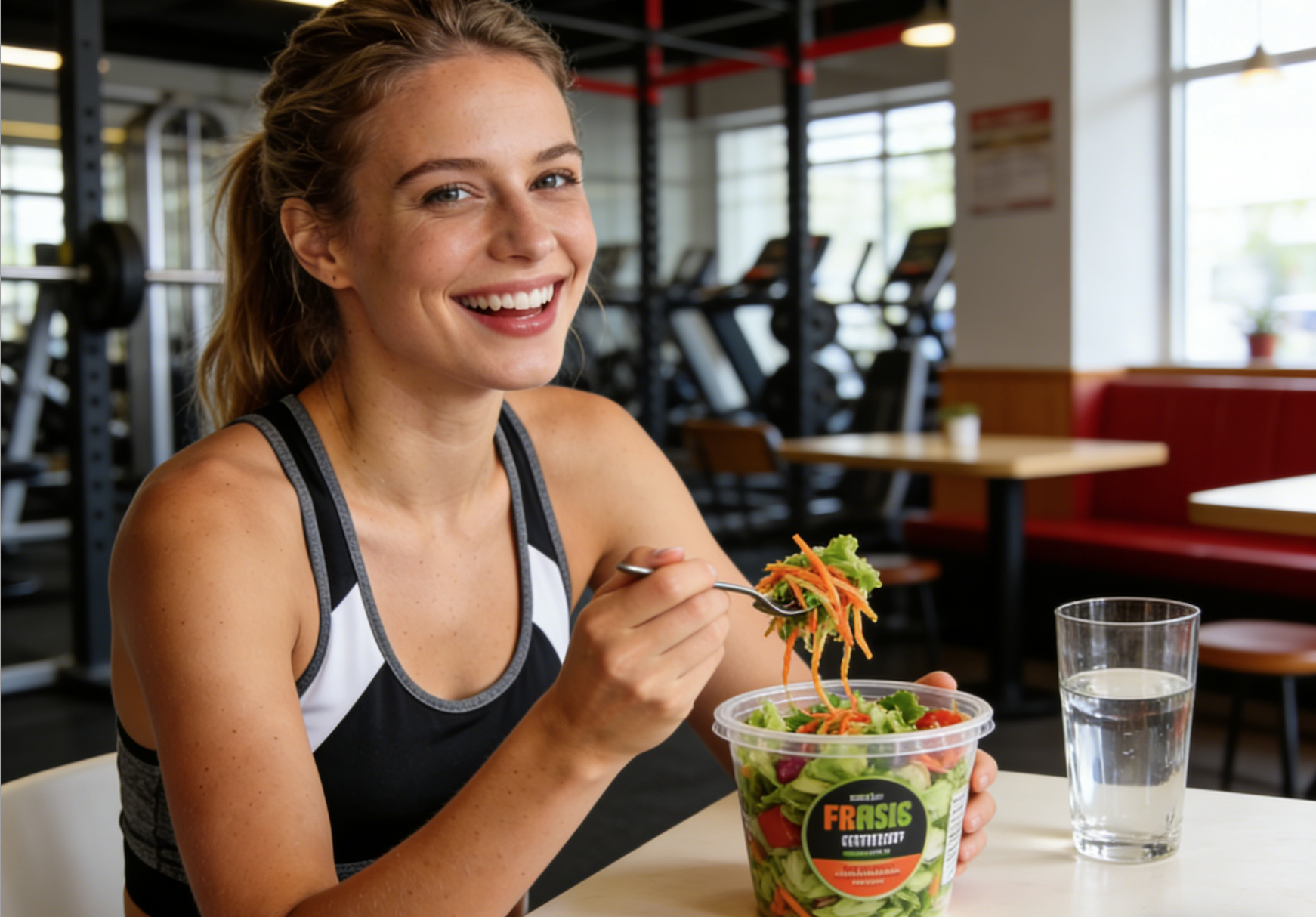
Vegetable Selection Guide During Weight Loss: Analysis of Three Categories of Vegetables and Their Organic Value
This article details the scientific selection of vegetables during weight loss, including the nutritional value and recommended intake of leafy greens, fruits, and root vegetables. It emphasizes the importance of organic vegetables in reducing pesticide exposure and maintaining hormonal balance for healthy weight loss, providing practical dietary guidance.
2026-03-04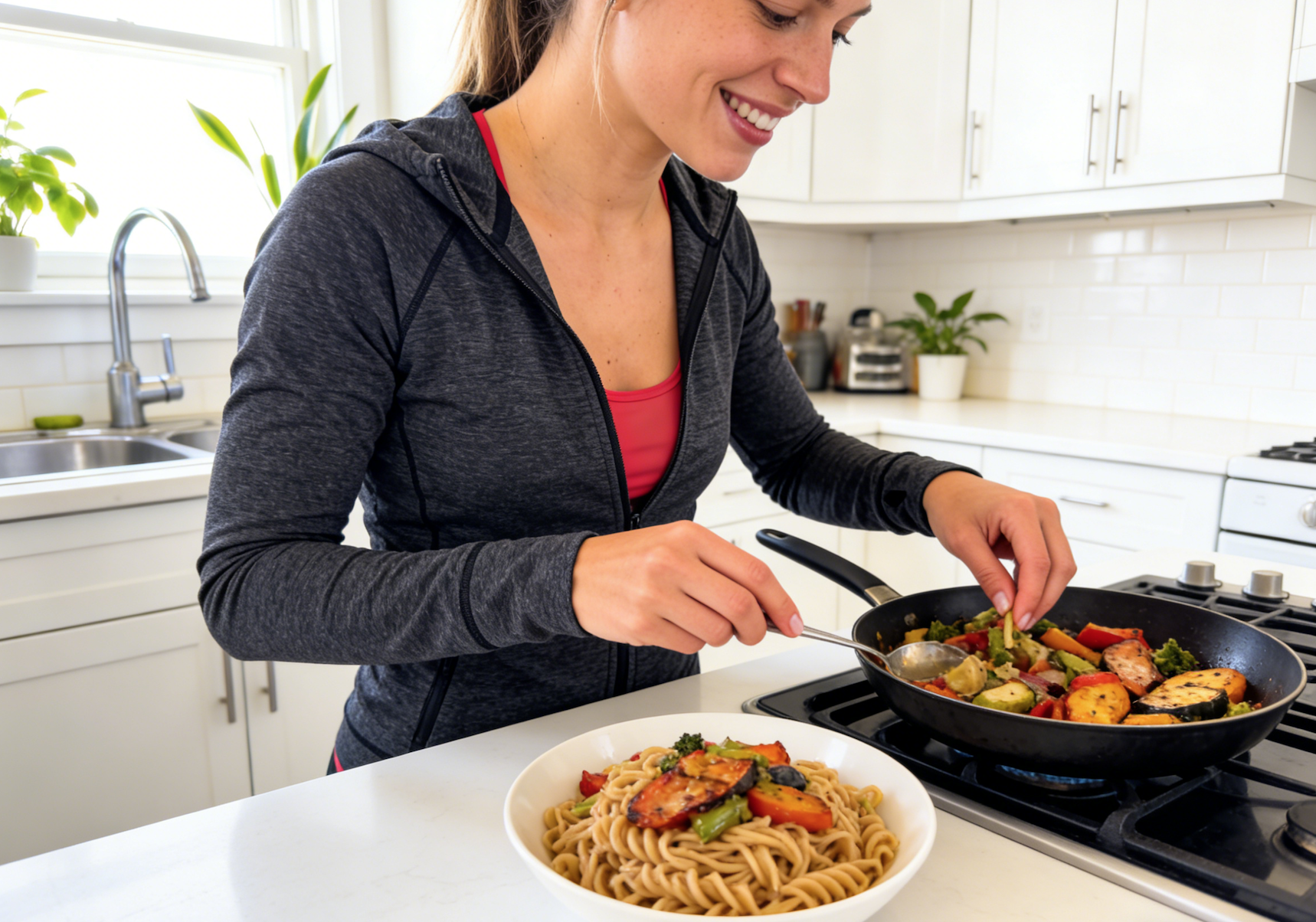
Water-soluble and insoluble dietary fiber: The key choices for scientific weight loss.
This article analyzes the classification of dietary fiber and its important role in weight loss, highlighting how soluble and insoluble fibers help control appetite and stabilize blood sugar levels. Adequate dietary fiber intake is an effective strategy for achieving scientific and healthy weight loss, significantly improving fat reduction and promoting gut health.
2026-03-05
How can proper hydration contribute to healthy weight loss? A complete analysis of the key points.
This article details the importance of water for healthy weight loss, pointing out that dehydration can lead to false hunger and a decreased metabolism, negatively impacting weight loss efforts. Learning how to hydrate properly can effectively improve fat burning efficiency and help avoid common weight loss mistakes, serving as a fundamental guarantee for achieving effective weight loss.
2026-03-05