
Weight Loss Myths: Fat Loss vs. Muscle Gain – A Scientific Guide to Body Sculpting
Fat Loss and Muscle Gain:
Should one shed weight first before sculpting and building muscle?
At fat loss boot camps, trainees often ask me: ‘Burning, I aspire to an attractive hourglass figure rather than merely being thin. Should I first reduce my weight before commencing muscle-building training?’
Let me first clarify the definitions of ‘fat loss’ and ‘muscle gain’. Fat loss refers to maximising the reduction of body fat while preserving muscle mass over a period. Muscle gain typically involves intentionally consuming more calories and performing resistance training to rapidly increase muscle size.
Since both aim to maintain or increase muscle mass, the resistance training methods for fat loss and muscle gain can be identical (resistance training builds muscle). The primary distinction lies in dietary intake. During fat loss, caloric intake must be below expenditure, whereas during muscle gain, intake should ideally exceed expenditure or at least match it to ensure optimal results.
Truthfully, the question of whether to pursue fat loss or muscle gain first—or to tackle both simultaneously—has troubled me since my early days in fitness. My current answer regarding this sequence is: it depends on your goals and circumstances.
Firstly, if your sole aim is rapid weight loss (perhaps you wish to experience being slimmer sooner) and see the scales drop as much as possible, without particular concern for achieving a curvy figure, then focus exclusively on fat loss from start to finish. Simply create the largest reasonable calorie deficit through dietary management and predominantly aerobic exercise, and your weight and body fat will gradually decrease as desired (though some muscle loss will occur).
At this stage, you needn't consider muscle gain at all. Introducing excessive resistance training may actually slow weight loss as muscle mass stabilises or increases slightly. Experience shows this often dampens trainees' motivation.
For instance, a friend of mine attended gym classes for a month to lose weight, only to gain half a kilo. Though I pointed out her figure had become more toned, she felt disheartened, convinced she'd become too muscular.
In truth, many women's sole objective is to see the scales drop and achieve a slimmer appearance. Persuading them otherwise is futile. This is perfectly natural and tied to aesthetic preferences.
Additionally, for those with significantly high weights—say, someone 1.7 metres tall weighing 200 jin—it's advisable to focus first on fat loss. Once they reach a manageable weight and build confidence and interest, they can then consider muscle gain and shaping. In truth, heavier individuals often possess substantial muscle mass, as their bodies must support greater weight. Prioritising fat loss is perfectly sound.
Secondly, if your weight isn't severely excessive and your goal is to sculpt a defined physique—like a female aspiring to a Victoria's Secret model figure or a male aiming for a physique akin to Eddie Peng's—this requires maintaining a low body fat percentage while retaining sufficient muscle mass for visible contours. Such a physique isn't achieved through fat loss alone; it necessitates incorporating resistance training for targeted muscle gain and shaping. In reality, it's not as daunting as many imagine; fat loss and muscle sculpting can be pursued simultaneously.
Most office workers likely fall into a category where weight isn't excessive, yet body fat isn't low either. They may have little muscle in the limbs, a slightly protruding lower abdomen, and no defined abs. Such individuals are perfectly suited to undertake both fat loss and muscle gain concurrently.
The approach involves balancing daily caloric intake with expenditure (slightly under or over is perfectly acceptable). Put simply, maintain your usual diet and portion sizes, opting for lighter, less oily options, while incorporating structured resistance training. Gradually, you'll notice firmer arms, developing chest muscles, reduced body fat percentage, and increasingly visible abdominal definition.
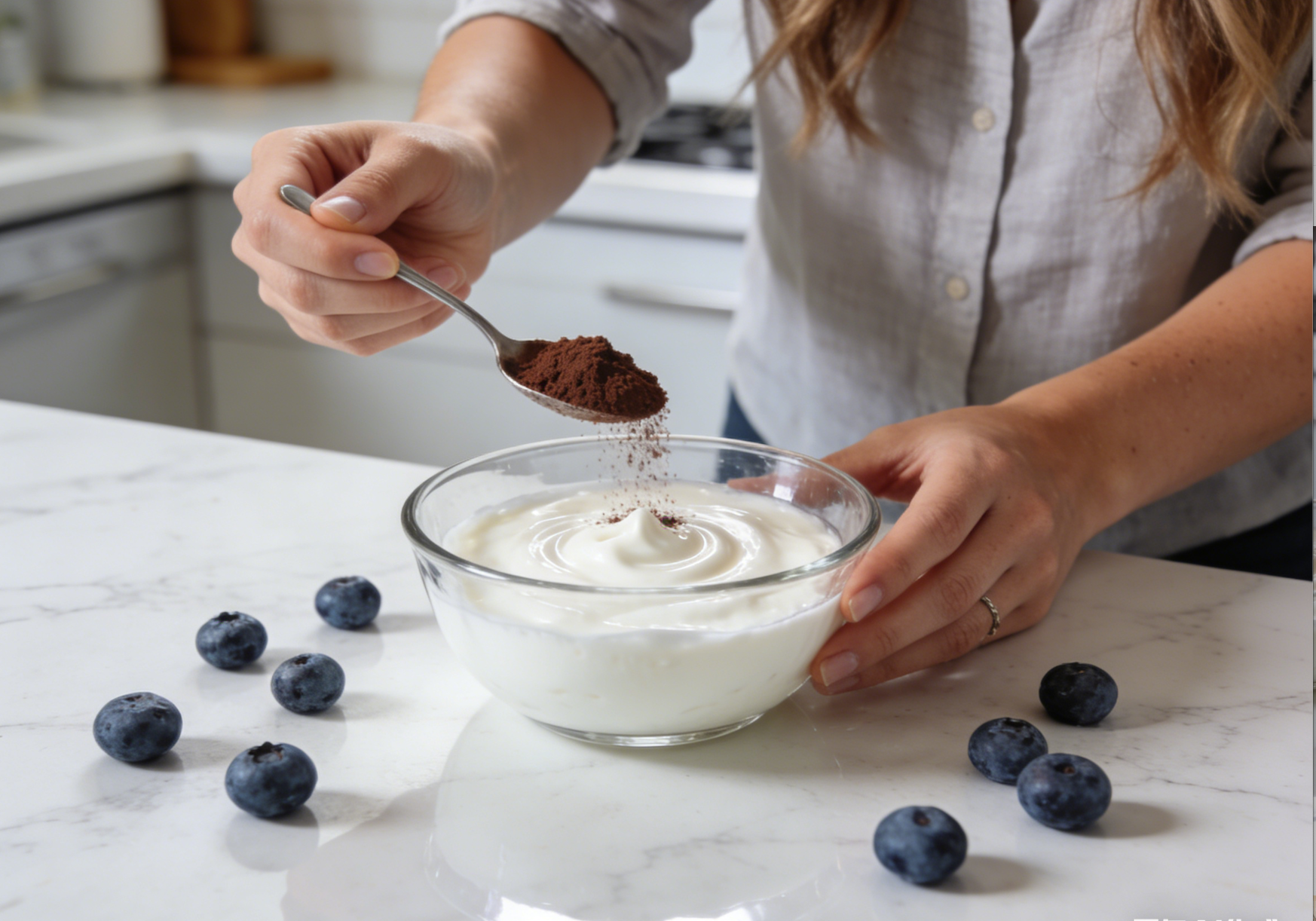
Can dark chocolate really help with weight loss? A scientific analysis of cocoa's anti-aging benefits.
This article reveals how true high-cocoa dark chocolate can aid weight loss, thanks to its abundance of antioxidants that help combat aging and boost metabolism. Learning to identify the sugar traps in commercially available products and choosing dark chocolate with over 85% cocoa content is key to achieving healthy weight loss while still enjoying delicious treats.
2026-03-05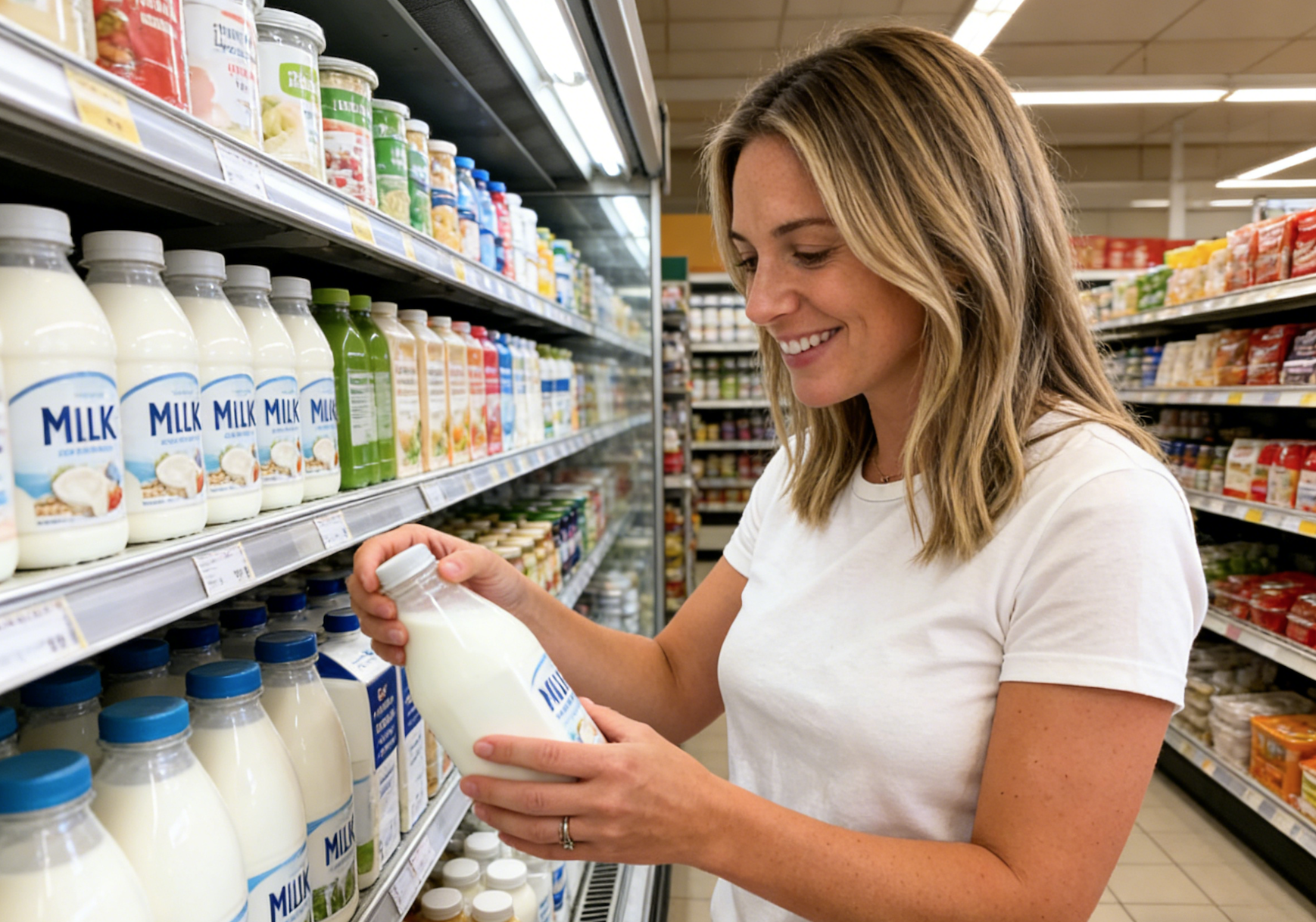
Whole milk vs. low-fat milk: Which is better for healthy weight loss?
This article analyzes the differences between whole milk and low-fat milk during weight loss, pointing out that low-fat milk may lose nutrients during the fat removal process and often contains added sugar, while whole milk, although nutritionally complete, has a higher lactose content. Understanding these differences can help people trying to lose weight make informed choices about dairy products and avoid negatively impacting their weight loss efforts and overall health.
2026-03-05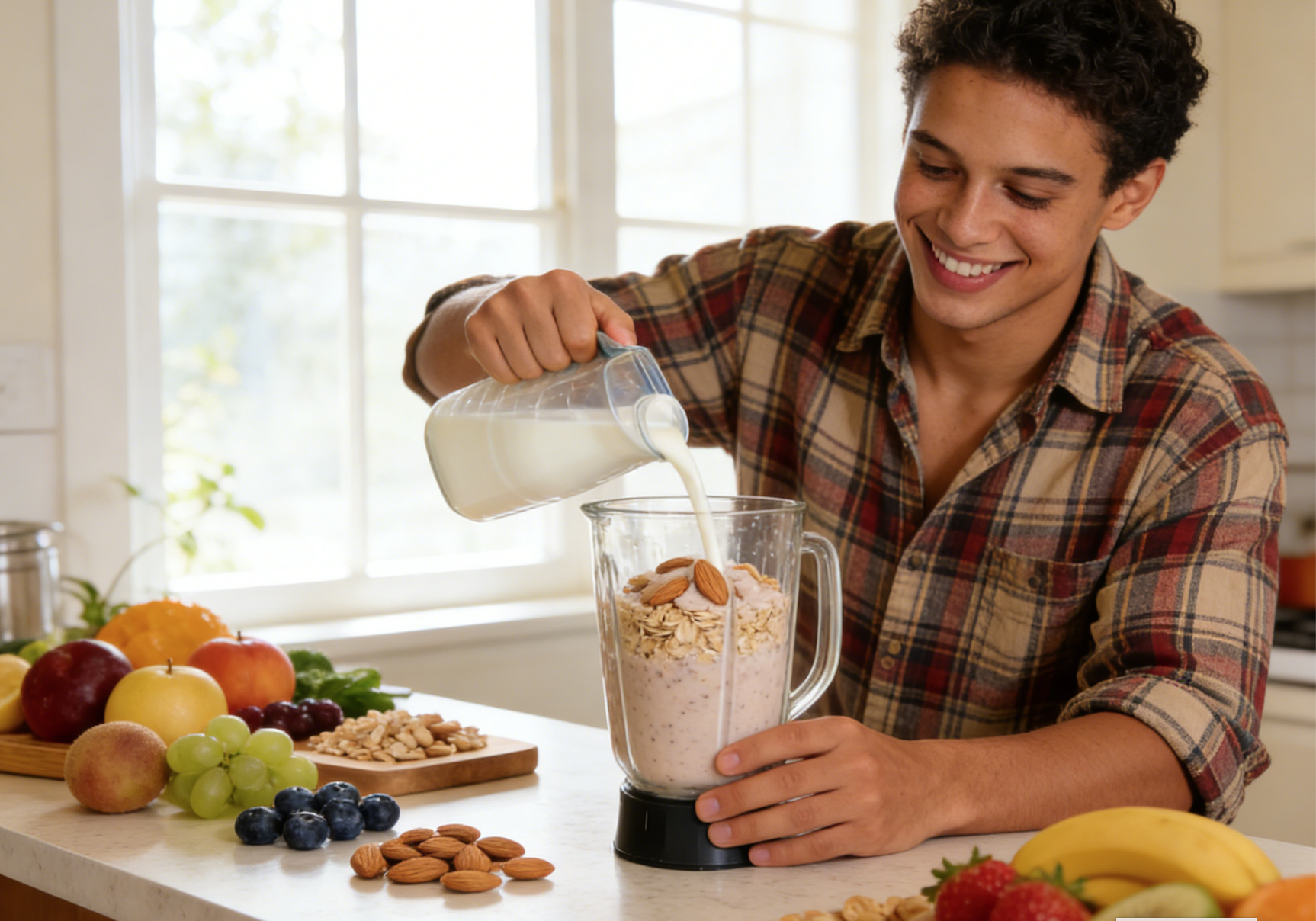
Can almond milk help with weight loss? A complete guide to making healthy milk alternatives at home.
Almond milk is lactose-free, rich in vitamin E and dietary fiber, making it an ideal milk substitute during weight loss. Homemade almond milk is sugar-free and additive-free, making it even healthier. It can be enjoyed with coffee or hot cocoa, helping to control weight and achieve effective weight loss. Learn how to make it and easily enjoy this healthy weight-loss beverage.
2026-03-06