
Vitamin supplementation during weight loss: A nutritional guide showing why vegetables are more effective than fruits.
Many people believe that fruits are rich in various vitamins and minerals, such as vitamin C, but they overlook the fact that fruits also contain large amounts of fructose and other sugars. But if we don't eat fruit, how can we get these nutrients?
Take vitamin C, for example, which is commonly thought to be abundant in fruits. If you want to supplement your vitamin C intake, vegetables are a much better source than fruits. Vegetables have a higher vitamin C content and a much lower fructose content.
For a simple example, an adult needs about 77.5 milligrams of vitamin C daily. To get this amount from fruit, you might need to eat 18 bananas, or 72 cherries, or 23 apples! By the time you've consumed enough fruit to get enough vitamin C, the sugar content in the fruit will likely have already caused weight gain.
If we get our vitamin C from vegetables, half a bell pepper, or 1/3 of a broccoli head, or 1/4 of a cabbage would be enough for a day. Compared to eating a large amount of fruit, you only need to eat a small amount of vegetables to get the necessary vitamin C while avoiding excessive sugar intake.
You might ask, besides vitamin C, fruits also contain other minerals and nutrients, so what about those? In fact, many foods are more nutritious than fruits and have lower sugar content. For example, black coffee contains more than six times the antioxidants of fruit, mushrooms contain far more potassium than bananas, dried wood ear mushrooms contain 121 times more iron than peaches, and seaweed contains 36 times more dietary fiber than common oranges. As for vitamins D and K2, their content in meat, eggs, fish, and vegetables is higher than in fruits, while also having lower sugar content.
Therefore, supplementing minerals, vitamins, and other nutrients through fruit is not a very cost-effective option, especially for people trying to lose weight. Fruits and vegetables are not interchangeable. To achieve better weight loss results, it's better to eat less fruit, and instead consume more fresh vegetables, high-quality protein, and healthy fats.

How to treat obesity-related diabetes? Scientific weight loss and medication selection are key.
This article details treatment methods for obesity-related non-insulin-dependent diabetes mellitus, including core dietary therapies and medication selection principles. Breaking the insulin resistance cycle through scientific weight loss is key to controlling blood sugar and improving blood lipids. Mastering these methods can effectively achieve healthy weight loss and aid in diabetes management.
2026-02-28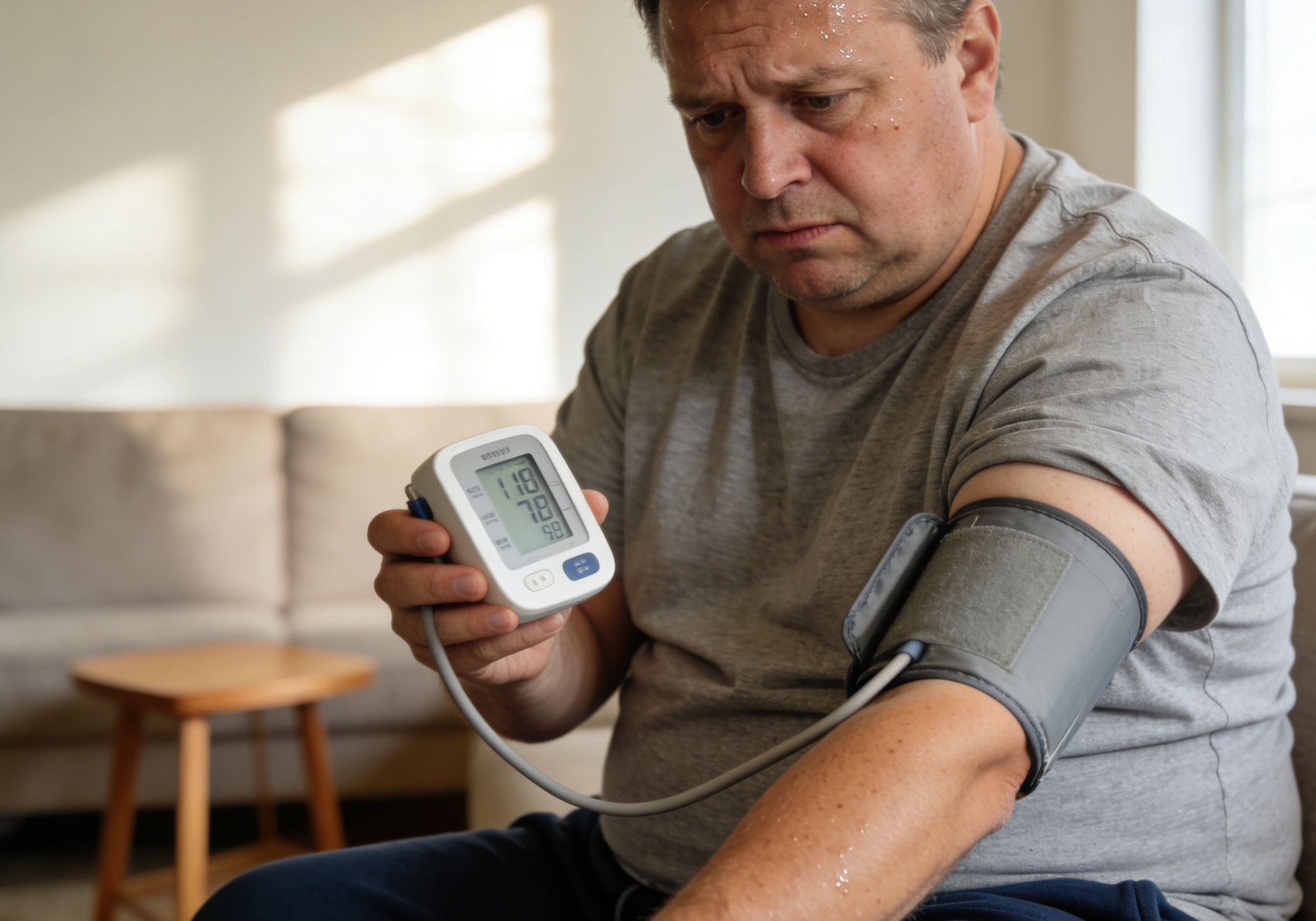
How does obesity lead to hypertension? An analysis of blood volume and hormone mechanisms.
This article explores the close link between obesity and hypertension, revealing that obesity may lead to elevated blood pressure through mechanisms such as increased blood volume and hyperinsulinemia. Understanding the mechanisms by which obesity affects blood pressure helps to recognize the importance of weight control for cardiovascular health. Not all obese individuals will develop hypertension, but their risk is significantly increased.
2026-03-17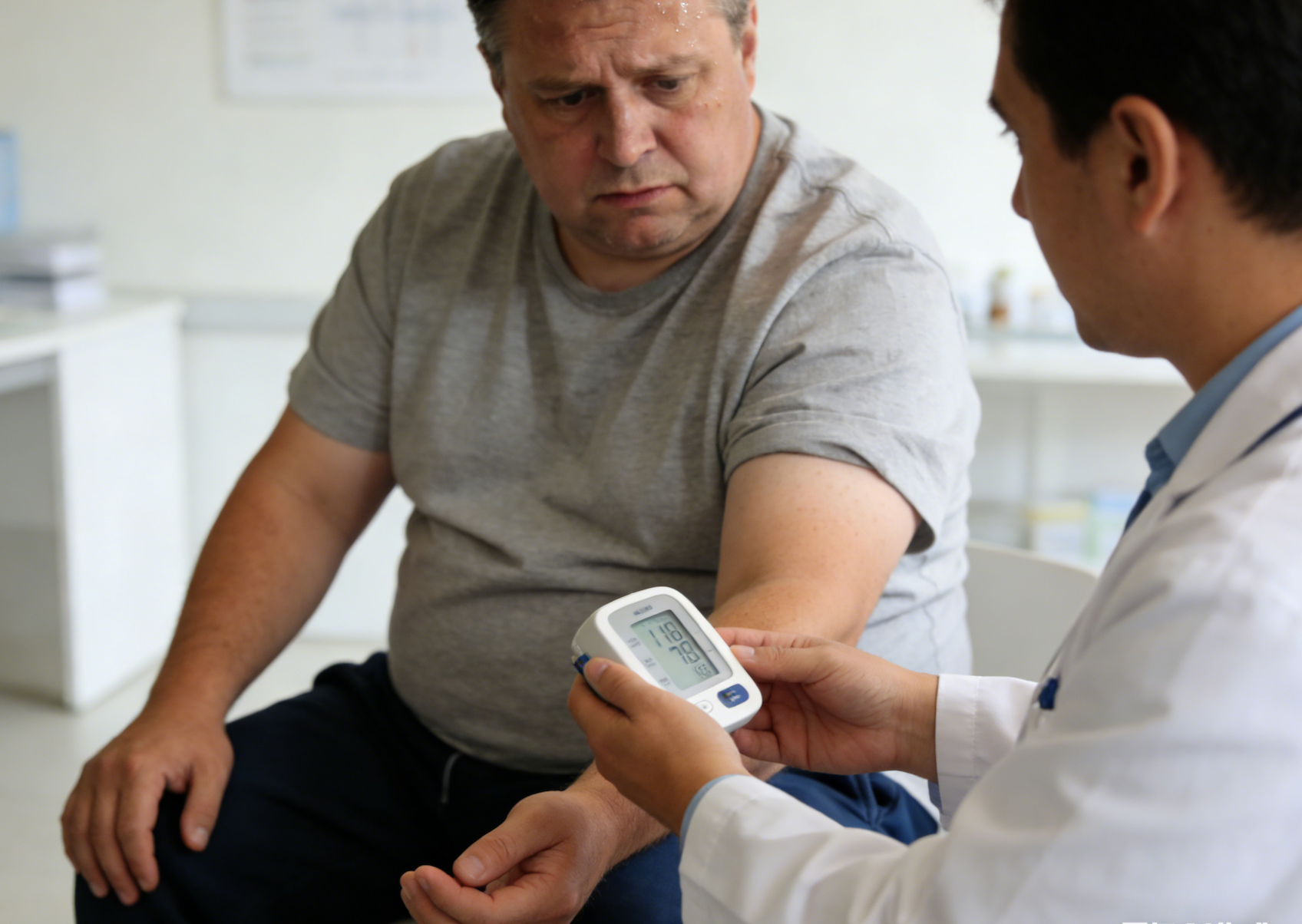
Unveiling the Epidemiological Link Between Obesity and Hypertension: Data and Risk Analysis
This article, based on epidemiological data, reveals a clear positive correlation between obesity and hypertension. Studies show that obese individuals, especially those with central obesity, have a significantly increased risk of developing hypertension, and this association is even more pronounced in younger populations. Weight control is one of the key measures for preventing and managing hypertension and its related cardiovascular complications.
2026-03-17