
Can sugar-free foods really help you lose weight? Beware of hidden "obesity triggers"!
Beware of the "Obesity Killers" Hidden in Everyday Life
The Deception of Sugar-Free Foods
More and more people are realizing that sugar is unhealthy and that eating sugar is a bad habit. Besides the sweet taste, sugar brings us more than just pleasure; it contributes to metabolic diseases such as diabetes, coronary heart disease, and obesity. Therefore, more and more people are choosing seemingly healthier sugar-free foods when shopping at the supermarket. But do you really understand sugar-free foods?
Most people think that sugar is just white sugar, and that avoiding foods containing white sugar is enough. However, sugar is not just white sugar. Over 80% of the food in supermarkets contains sugar. While common sugar-free cookies, sugar-free juices, and sugar-free bread are marketed with "sugar-free" labels to attract more buyers, they are not actually sugar-free; they simply don't contain added sugar.
For example, the most common ingredient in sugar-free cookies and bread is wheat flour. As we mentioned earlier, sugary foods also include common staples, and high-starch foods like wheat flour are digested and broken down into glucose in the body. So these foods may seem sugar-free, but their sugar content is actually quite high. A bag of sugar-free cookies contains about 50 grams of carbohydrates per 100 grams.
Another example is sugar-free juice. Sugar-free juice doesn't have added sugar, but this doesn't mean the fruit used to make the juice is sugar-free. A single banana, for instance, naturally contains fructose, glucose, and maltose. Moreover, the fruits used to make juice generally have a high sugar content to make the juice sweet and delicious. Therefore, even natural juices without added sugar can still be high in sugar and contribute to weight gain.
So, please check if the sugar-free foods in your home are truly sugar-free.
Sugar is Everywhere
In daily life, sugar is almost everywhere. It often hides in places you wouldn't expect and often appears in forms you don't recognize.
When we buy food at the supermarket, we might think that avoiding the snack aisle means avoiding sugary foods. But in reality, when you carefully examine the food ingredient list, you'll find that sugar is everywhere. For example, common processed meat products contain white sugar; frequently consumed foods like ham sausages and canned fish contain white sugar; Lao Gan Ma chili sauce contains white sugar; tea drinks in coffee shops often have added sugar; and even kimchi, yogurt, and dried meat snacks contain large amounts of sugar.
Even the sauces used in cooking contain large amounts of sugar, such as common salad dressing, ketchup, chili sauce, barbecue sauce, and bean paste, etc. When dining out, most restaurants add extra sugar to their dishes or use sugary sauces to enhance the flavor.
The reason the food industry overuses added sugar is that sugar can change the texture of food and stimulate the secretion of dopamine, making food taste delicious and addictive, thus encouraging repeated purchases. The more sugar, the more addictive it becomes.
Studies also show that when you consume sucrose, it "bypasses" the hormones that tell you you're full, meaning that sucrose can cause you to overeat without realizing it. Sucrose is the most commonly used type of added sugar in food today.
It's also important to note that food manufacturers often use a variety of names to hide the actual sugar content in food, such as corn syrup, high-fructose corn syrup, maltose, fructose, glucose, brown sugar, crystalline fructose, concentrated fruit juice, lactose, etc. In fact, no matter what they are called, they are all types of sugar and will contribute to weight gain.
Therefore, be a smart consumer and learn to check food labels and ingredient lists so that hidden sugars don't hinder your weight loss journey.
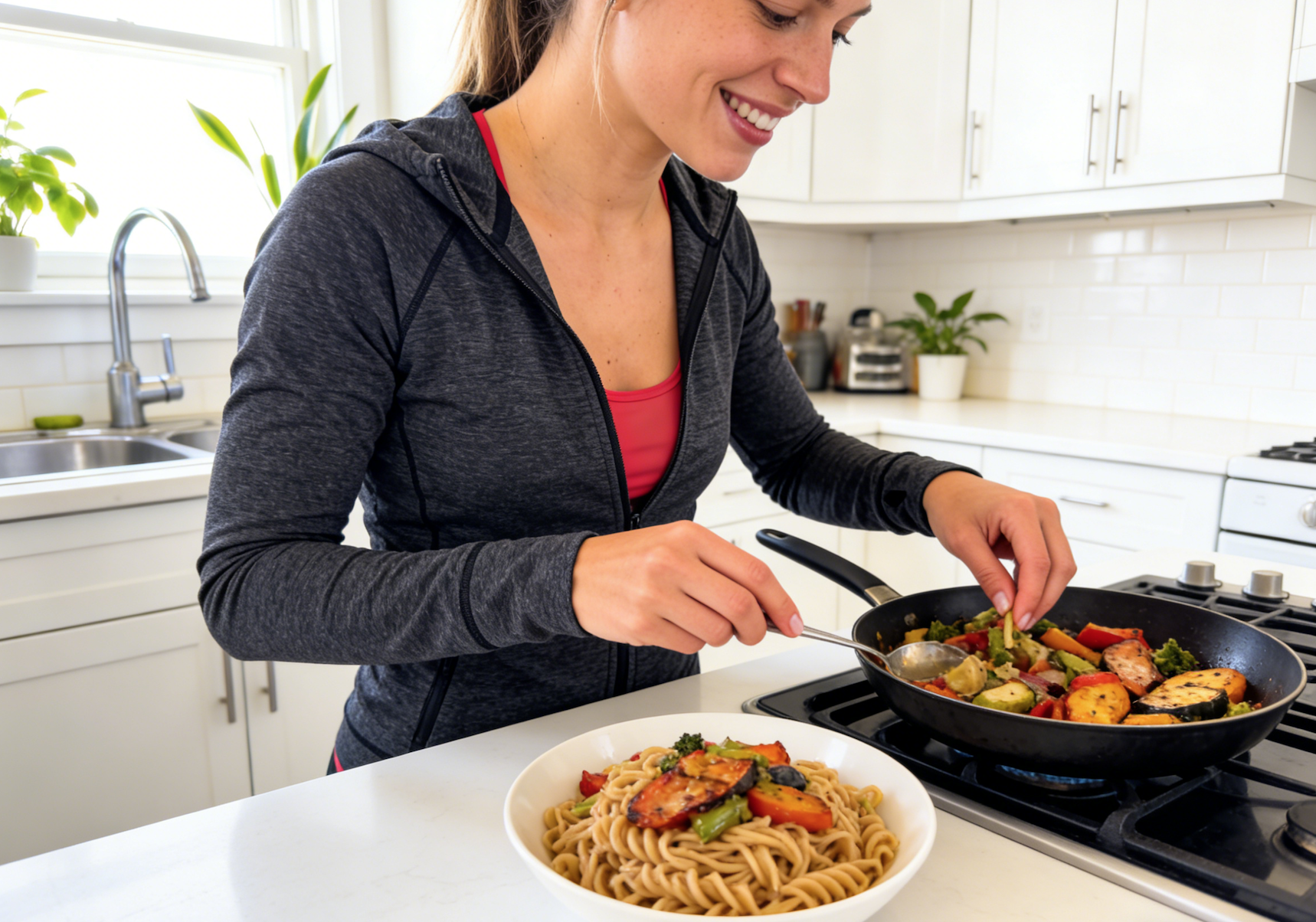
Water-soluble and insoluble dietary fiber: The key choices for scientific weight loss.
This article analyzes the classification of dietary fiber and its important role in weight loss, highlighting how soluble and insoluble fibers help control appetite and stabilize blood sugar levels. Adequate dietary fiber intake is an effective strategy for achieving scientific and healthy weight loss, significantly improving fat reduction and promoting gut health.
2026-03-05
How can proper hydration contribute to healthy weight loss? A complete analysis of the key points.
This article details the importance of water for healthy weight loss, pointing out that dehydration can lead to false hunger and a decreased metabolism, negatively impacting weight loss efforts. Learning how to hydrate properly can effectively improve fat burning efficiency and help avoid common weight loss mistakes, serving as a fundamental guarantee for achieving effective weight loss.
2026-03-05
How does matcha help with weight loss? A scientific analysis of its antioxidant and fat-burning effects.
Matcha is rich in antioxidants and can effectively increase satiety and promote fat loss, making it an ideal healthy beverage for weight management. Choosing organic matcha powder avoids added sugar and additives, helping you better manage your weight. Drinking matcha in moderation not only aids in weight loss but also enhances focus, addressing both health and weight management needs.
2026-03-05