
How to treat obesity through diet? An analysis of the scientific principles of weight loss diets.
Dietary Therapy for Obesity: We know that obesity and diet are inextricably linked. Aside from causes such as genetics, endocrine disorders, and organic diseases, most cases of obesity are closely related to improper diet. When calorie intake exceeds the energy required for bodily activity, the excess energy is converted into body fat and stored in fat cells, causing them to enlarge and gradually leading to weight gain. If daily calorie intake exceeds the required amount by 336 kJ, then 3 kg of fat can be gained in a year. Therefore, to prevent obesity, it is necessary to limit total daily calorie intake. Reasonable and appropriate dietary control is essential; to reduce calorie intake, special attention should be paid to controlling the intake of high-sugar and high-fat foods.
We can easily see the significance of dietary control in weight loss from the comparison of the two diet plans in Table 6-1. Although the total food intake of diet plan 1 and diet plan 2 is the same, 1325g, the total calorie intake differs by 1111 kcal. As shown in the table above, the main sources of calories in the diet are staple foods (rice), meat (fatty meat), and cooking oil (soybean oil). Diet 1, with its high intake of staple foods and meat and low intake of vegetables, results in a total calorie intake of 2899 kcal. Compared to Diet 1, Diet 2 has less staple food and more vegetables, replacing fatty meat with lean meat (beef) and tofu, resulting in a total calorie intake of only 1778 kcal. Diet 2 reduces the total calorie intake by 38% compared to Diet 1. Therefore, choosing an appropriate diet can help prevent and treat obesity.
The normal daily energy requirement for adults is 9240–10080 kJ for men and 7980–8820 kJ for women. Reducing daily calorie intake by 2093 kJ (500 kcal) can lead to a weight loss of 1 pound (0.45 kg) per week.
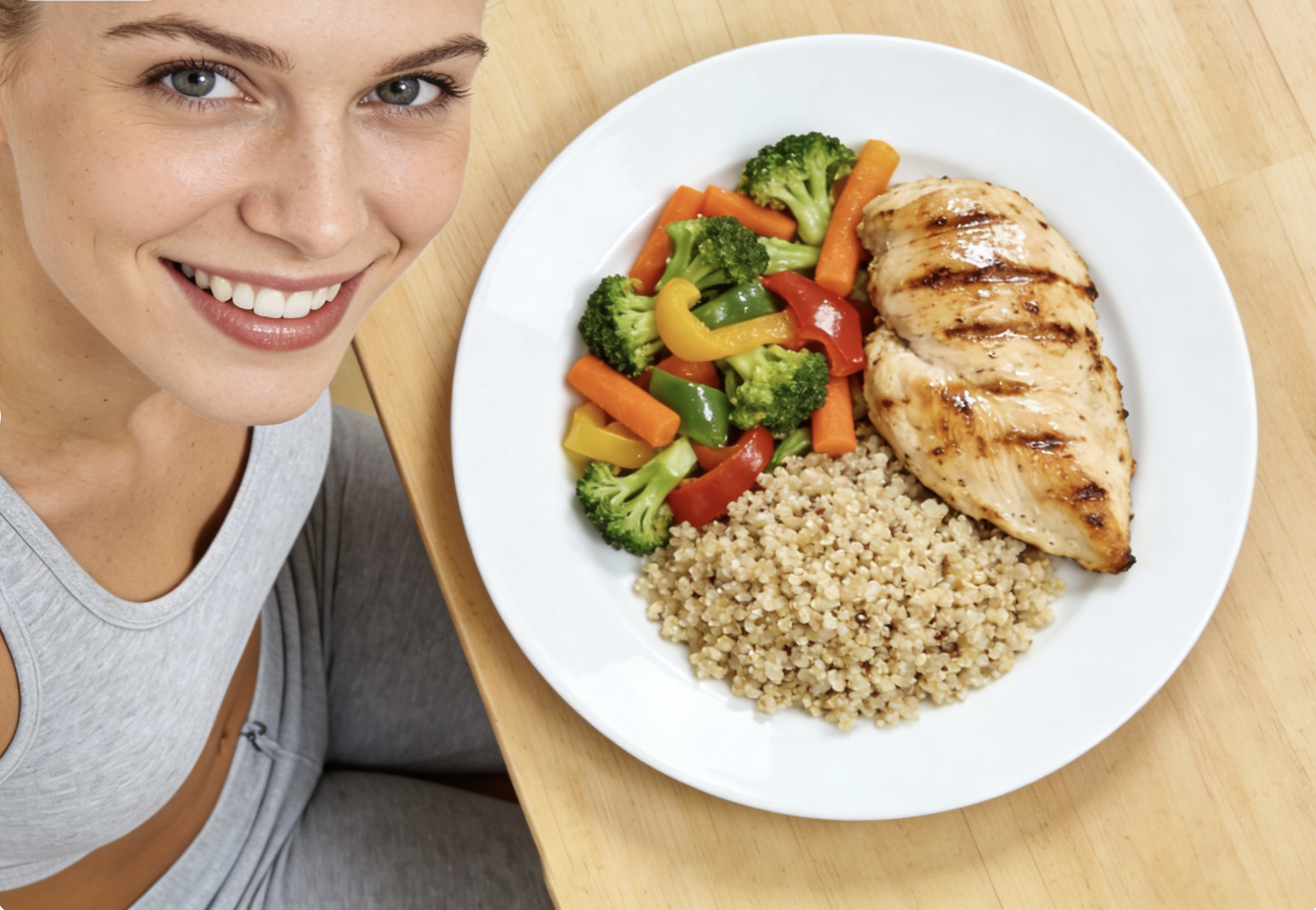
Weight Loss: Understanding Six Key Nutrients for Scientific Energy Control and Fat Reduction Without Harm
Understanding the functions and intake levels of nutrients such as carbohydrates, fats, and proteins allows for a balanced diet to avoid excess, aiding in weight loss. A balanced diet promotes healthier and safer, more sustainable weight loss.
2026-03-31
Eat Natural Fat-Reducing Ingredients for an Easy and Healthy Diet
Ingredients such as winter melon, lotus leaves, sweet potatoes, and bean sprouts are low in calories and promote metabolism. Combined with a balanced diet, they aid in weight loss. Natural, safe, and gentle on the body, making weight loss easier and more sustainable.
2026-03-31
Develop Good Eating Habits for Scientific and Lasting Fat Reduction
Adhering to regular and portion-controlled meals, giving up snacks, and combining dietary adjustments with body constitution can help with weight loss. Regular eating habits are gentle on the body, making weight loss more stable and longer-lasting.
2026-03-31