
Develop Good Eating Habits for Scientific and Lasting Fat Reduction
This weight-loss food, due to its complex production process, is generally impossible for ordinary households to make, but it will soon be widely available on the market.
Here, I'd like to introduce another dietary secret for improving body constitution—a vegetarian diet. There are many schools of thought on vegetarianism worldwide, among which the "body constitution improvement" method used by the Gandhi family in India and swimmers at the Rome Olympics is unique. According to reports, this diet is quite popular in Japan. Research by Professor Eio Hasama of Osaka University in Japan has proven that this "body constitution improvement" diet can both improve complexion and promote mental clarity. Long-term consumption of this diet not only results in lighter weight, better physical strength, and smoother, more radiant skin than average, but also a significant increase in energy and endurance.
There are two methods for preparing this "body constitution improvement" diet:
One is a raw vegetable breakfast. Mix and mash leafy greens with an apple, add lemon juice, soy sauce, salt, perilla leaves or spices, and then mix with diced carrots (without peeling) before eating.
Another method is to mix a small amount of brown rice with sesame seeds, rinse thoroughly, steam until cooked, then add appropriate amounts of salt, soy sauce (preferably light), and other seasonings, along with half a cup of milk or coffee before consuming.
Cultivating Good Eating Habits
Humans are creatures capable of forming habits, and it is essential to leverage these habits to arrange eating and sleeping schedules.
(I) Regular and Quantitative Meals
According to the body's biological clock and metabolic rhythms, eating at regular times ensures regular peristalsis of the gastrointestinal tract, which is an important measure for maintaining the health of the digestive organs.
Quantitative meals refer to consistently maintaining a consistent amount of food. Whether it's simple fare or delicacies, whether eating alone or with friends, whether it's a celebratory occasion or a regular meal, one should exercise moderation in eating and maintain this consistency year after year. The great Song Dynasty poet Lu You wrote the line, "Longevity is due to eating less," and there is also a folk saying, "Three parts hunger and seven parts fullness are beneficial for weight loss and preventing aging." Last year's world's top ten supermodel, C. Croweford of the United States, hailed as "a seed of beauty," boasts a beautiful and healthy figure that evokes admiration from men and inspires women. Her secret lies in her scientific lifestyle. She lives a regular and disciplined life, rarely uses cosmetics, never goes to nightclubs, is not enthusiastic about social life, and doesn't smoke or drink alcohol. She places great importance on controlling her diet, generally skipping grains and meat for breakfast, and weighing herself daily. If she gains weight, she eats only fruits and vegetables for those few days. She particularly enjoys drinking mineral water, consuming at least two liters daily.
Overeating is harmful to health. We all have this experience: after a large meal, especially a heavy meal with alcohol, we feel drowsy. This is because blood concentrates in the stomach to digest food, reducing blood flow to the brain and causing sleepiness. Modern medical research has proven that after a large meal, the level of a cell growth factor called fibroblasts in the brain increases exponentially, which can lead to arteriosclerosis and the incidence of Alzheimer's disease. Some parents or elderly people, out of thrift, divide the small amount of leftover food at the table, each person adding a little to their meal, thus "reimbursing" themselves. Over time, the calories in these seemingly insignificant leftovers are enough to cause weight gain.
(II) No Snacks Not eating snacks means not eating anything other than the three regular meals a day, except for drinking tea or hydrating. Snacking is a very bad habit. Eating snacks indiscriminately disrupts the normal eating pattern, interferes with the digestive and absorptive rhythms of the gastrointestinal tract, keeps it constantly stressed and prevents it from getting the necessary rest, leading to reduced secretion, decreased appetite during regular meals, and even affecting nutrient absorption and increasing the burden on the gastrointestinal tract. Eating snacks hastily often involves not washing the food and hands properly, easily causing intestinal infectious diseases. Obese patients often have hyperactive stomachs, excessive appetites, and surprisingly large food intake, with over 90% of their food being digested and absorbed. This is a key factor in obesity and its progression. Those suffering from "television addiction" (watching television for 4-6 hours daily) often snack while watching TV, even indulging in pastries and sugary drinks before bed. Unbeknownst to them, this momentary indulgence requires two 1500-meter runs in 14 minutes to burn off, let alone going to bed immediately afterward. This undoubtedly creates conditions conducive to obesity.
According to reports, a 40-year-old secretary named Jeffrey Fowle at a New York company was 167 cm tall, weighed 205 kg, had a chest circumference of 131 cm, and a waist circumference of 137 cm. Aside from breakfast and a modest lunch, she had an enormous appetite after get off work, snacking until late at night, spending over $100 a week on snacks, and becoming shockingly overweight. For the sake of her work, life, family, and health, she resolved to lose weight and never eat snacks again. After 18 months of dieting, her weight dropped from 205 kg to 57 kg, a loss of 148 kg, and her bust and waist circumference decreased by 51 cm and 58 cm respectively. Her secret to successful weight loss was: one hour of exercise daily, no snacks, and only simple three meals a day. Her total calorie intake was controlled at 1000-1500 kcal/day.

Follow Ten Principles of Muscle Training for Safe Muscle Building and Efficient Fat Burning
Training according to scientific muscle training principles, with reasonable intensity and time allocation, effectively builds muscle and boosts metabolism, aiding in weight loss. Scientific muscle training is safe and gentle, making weight loss more stable and efficient.
2026-04-01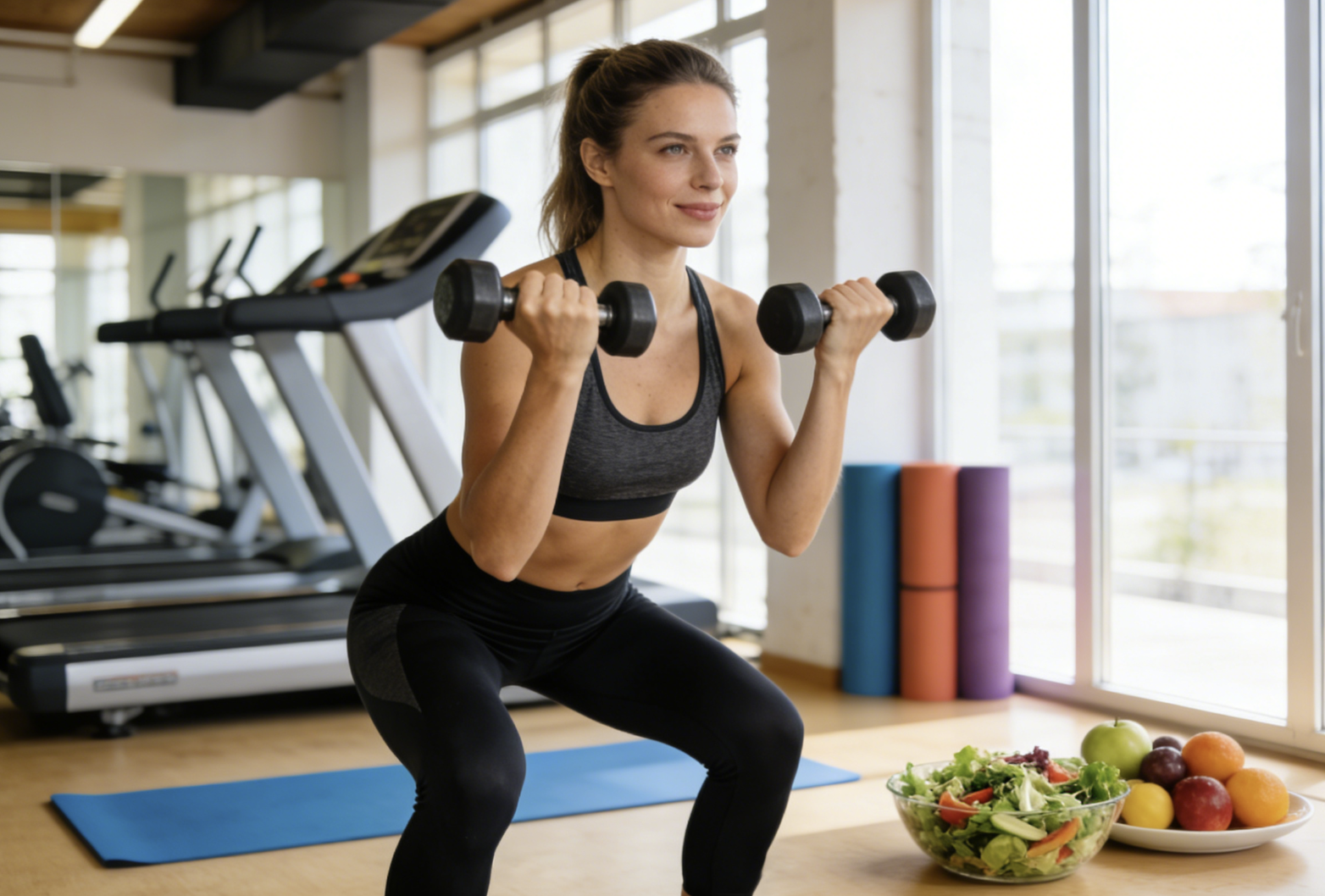
Understanding Muscle Strength Principles and Scientific Training to Improve Fat Burning Efficiency
Master the sources and training principles of muscle strength, rationally train large muscle groups to boost metabolism, aid in weight loss, safely build muscle without harm, and make weight loss more efficient and sustainable.
2026-04-01
Combining Height Development Patterns with Scientific Exercise and Nutrition
Understanding the factors that influence height, such as genetics, nutrition, and exercise, and using appropriate exercise and diet during the growth stage to aid weight loss, balancing height increase and fat reduction, making weight loss healthier and more scientific.
2026-04-01