
Dietary Guidelines for Childhood Obesity: Scientific Weight Loss Without Hindering Development
Dietary Therapy for Childhood Obesity
The principles of dietary choices for childhood obesity are:
① not hindering growth and development;
② not hindering school life and learning.
Therefore, ensuring adequate nutrient intake is the primary consideration. For mildly obese children, a diet rich in protein and low in carbohydrates is recommended. For moderately to severely obese children, the daily energy intake should be 1600–1700 kcal (6694.4–7114.8 kJ), including 75–78g of protein, 54–56g of fat, and 200–220g of carbohydrates.
If childhood obesity is not addressed through dietary adjustments and treatment, a high percentage will develop into adult obesity, potentially leading to adult-onset diseases such as hypertension, fatty liver, and impaired glucose tolerance. Treatment for childhood obesity differs from that for adults because children are in a period of rapid growth and development, and their bodies are highly sensitive to various nutrients. Any drastic treatment methods can negatively impact a child's healthy growth and development. Furthermore, children, unlike adults, do not cooperate well with doctors, making the implementation of treatment plans more difficult. Therefore, dietary restrictions are particularly challenging.
Regarding dietary therapy for children's weight loss, parental involvement is essential. Parents must prevent children from developing unbalanced diets or overeating, and avoid providing high-sugar, high-fat, and high-calorie foods. Children should be educated against eating sugary snacks. Secondly, dietary therapy for children requires understanding their nutritional needs to tailor dietary plans for different age groups and stages of the illness. The general principle should be to restrict calorie intake while ensuring the needs of growth and development are met, providing a diverse diet with adequate protein, vitamins, and minerals. Avoid giving children spicy seasonings. Instead, provide plenty of fish, chicken, lean meat, soy products, and fresh vegetables. This will not only promote muscle growth but also enhance the body's resistance to disease. Food should be prepared by steaming, boiling, or cold dishes. Breakfast should primarily consist of steamed egg custard, milk, soy milk, bread, fried rice, and eggs. Obese children often overeat, especially their favorite foods, and cannot control their appetite. Parents should pay attention to portion control. Generally, the total breakfast intake for children under 12 years old should not exceed 150g. Children's lunch must be substantial. Obese children should primarily eat vegetables, with less staple food, supplemented with lean meat, fish, or shrimp. Dinner for children should mainly consist of various bean-based rice dishes or porridge.
Childhood obesity is often due to growth spurts. Extreme calorie restriction should be avoided. School-aged children grow 5-6cm annually; if their weight remains stable, their obesity will improve within a year. Extreme dietary restrictions can cause psychological distress in children and sometimes lead to resistance to treatment. To prevent hunger, offer more low-calorie, high-volume foods such as boiled corn, seaweed strips, pectin jelly, and popcorn—foods that children love but are low in calories. Finally, parents should encourage children to do more activities, such as bouncing a ball, jumping rope, and swimming.
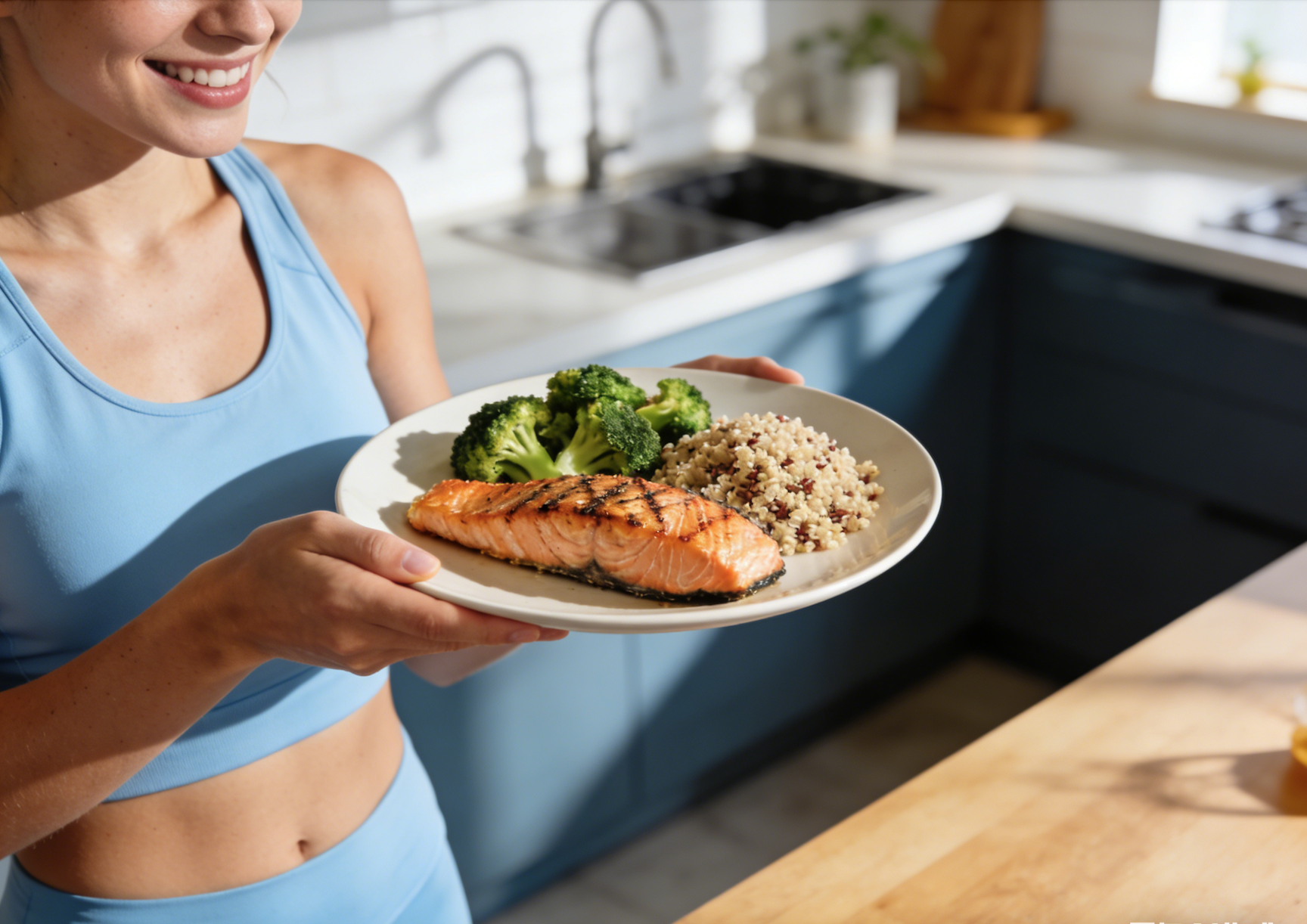
Five scientifically sound food choices for regulating mood and aiding in happy weight loss.
This article reveals how five types of food, including deep-sea fish and fermented foods, can scientifically regulate mood by lowering cortisol and increasing serotonin, thereby indirectly helping to control appetite and achieve a more relaxed and effective weight loss process. Understanding and making good use of these foods is an important path to happy weight loss and mental and physical well-being.
2026-03-10
How can Vitamin D become a hidden aid to happy weight loss?
This article reveals the dual value of vitamin D for weight loss: it's not only a "happy hormone" that improves mood and combats depression, but it also reduces fat formation and promotes calcium absorption. Learn how to effectively supplement vitamin D through scientific sun exposure and diet, making your weight loss journey easier and more enjoyable.
2026-02-26
How does lack of sleep lead to obesity? Scientific analysis and weight loss advice.
This article details how sleep deprivation hinders weight loss by disrupting appetite hormones and reducing self-control, emphasizing the crucial role of quality sleep in weight control and healthy weight loss. Good sleep not only stabilizes metabolism but is also a fundamental guarantee for improving weight loss efficiency and overall health.
2026-03-10