
A guide to calculating protein intake during weight loss: practical methods and tips.
We have already discussed the importance of protein. Only sufficient protein intake can ensure healthy muscles and bones, allow the body to produce enough antibodies for immunity, and provide the necessary hormones that affect obesity and mood, as well as enzymes essential for digestion and absorption, etc. Therefore, it is crucial for the body to obtain enough protein. But how much protein is enough?
In fact, about 30% of your daily calorie intake should come from protein. This means that in your three meals a day, about one-third of the food components should be high-quality protein. However, the specific protein requirements may vary slightly from person to person.
A healthy adult should consume 0.8 grams of protein per kilogram of body weight daily. That is, multiply your weight in kilograms by 0.8 to get the amount of protein you need per day. If you are currently on a weight-loss plan, your protein intake can be increased to 1 gram per kilogram of body weight. For example, a woman weighing 60 kilograms needs to consume at least 60 grams of protein per day during weight loss.
If you are particularly active and enjoy exercising, your muscles will constantly be built and repaired through exercise. Therefore, you need to consume more protein. For example, your daily protein intake can be increased to 2-3 grams per kilogram of body weight. If you want to build muscle, you should also supplement with protein powder. It is recommended to choose animal-based whey protein, as it is absorbed more effectively than plant-based soy protein.
For special groups, such as children, adolescents, and pregnant women, they need to consume more high-quality protein because protein promotes growth and development. Elderly people are prone to protein deficiency because their digestive and absorption functions decline, and their protein absorption is much lower than that of younger people, so the elderly also need to increase their protein intake.
A woman weighing 60 kilograms should consume at least 60 grams of protein per day during weight loss. If this is evenly distributed across three meals, she needs to consume approximately 20 grams of protein per meal. How much is 20 grams of protein?
It's important to note that the weight of meat and other animal-based foods does not equal the amount of protein they contain. A 100-gram piece of meat contains approximately 20 grams of protein. Here's a simple calculation method: hold out your hand; a piece of meat the size of your palm is approximately 100 grams. Therefore, consuming a palm-sized portion of beef, chicken, lamb, pork, or fish at each meal, and at least three palm-sized portions a day, should ensure an intake of approximately 60 grams of protein.
For example, for breakfast, two eggs plus a small handful of nuts will provide roughly 18 grams of protein; at lunchtime, stir-frying a palm-sized piece of pork with vegetables will provide about 20 grams of protein; and for dinner, a palm-sized piece of salmon plus a cup of unsweetened yogurt will provide approximately 25 grams of protein. This way, you can easily ensure a daily intake of 60 grams of protein.
If you want to know exactly how much protein you're consuming, you can check food labels or look up food calorie information in apps or books. However, as we mentioned earlier, these results are not always accurate. In fact, there's no need to check calorie charts for every meal. If you regularly consume protein, after a while, you'll be able to judge whether your protein intake is sufficient without much thought. The simple palm-size method is sufficient; there's no need to obsess over the exact gram amounts.
If you want to increase your basal metabolic rate to aid weight loss, you should consume more protein-rich foods. Even consuming around 100 grams of protein a day is not excessive. Some people worry about the effect of protein on blood sugar levels; however, tests using a blood glucose meter show that the effect of protein on blood sugar levels is negligible.
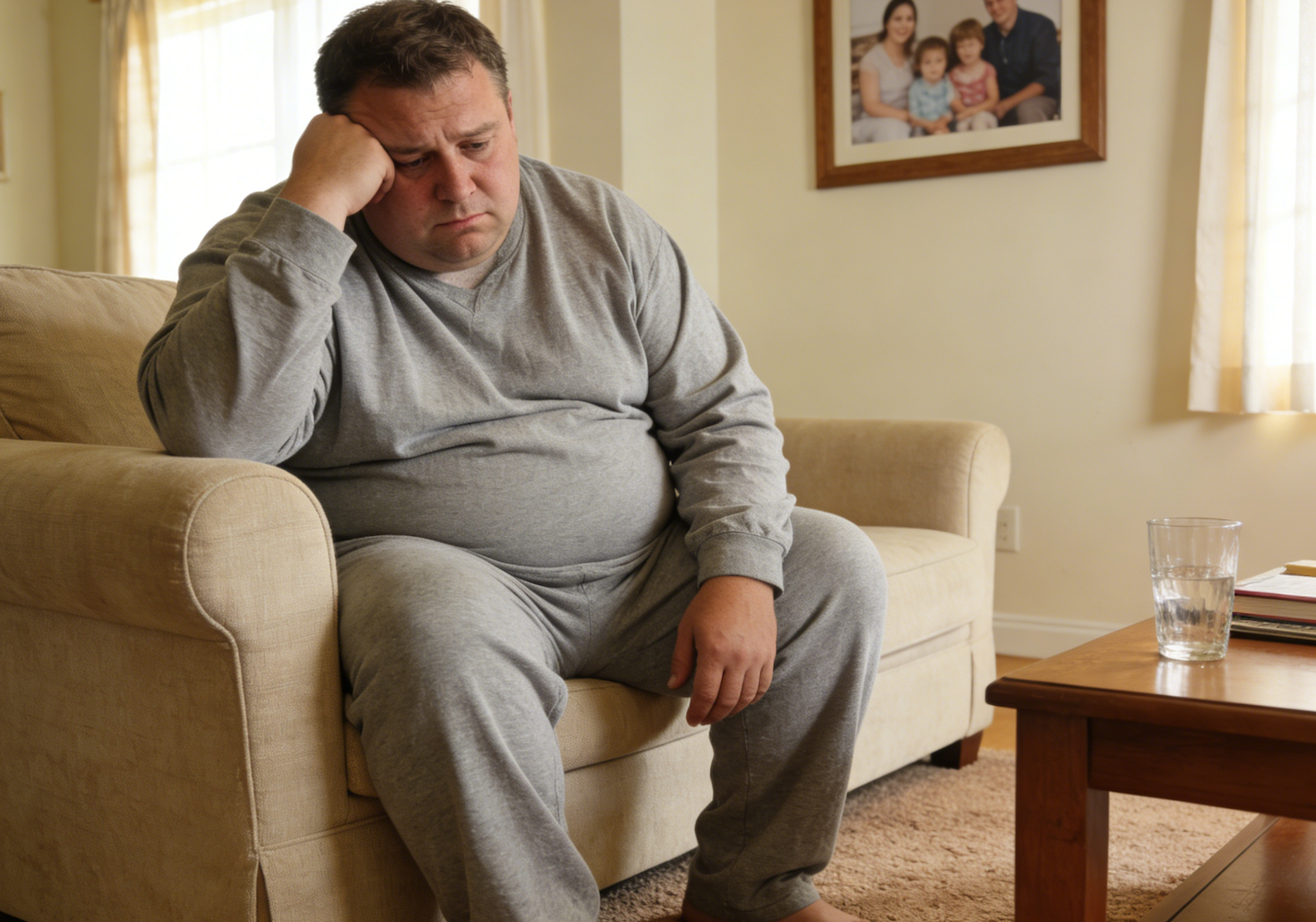
How does emotional stress hinder weight loss? Unveiling the link between stress and obesity.
This article analyzes how emotional stress hinders weight loss by stimulating appetite and increasing cortisol levels, highlighting the importance of managing emotions for successful weight loss. Maintaining a positive mindset and reducing stress are crucial steps towards achieving more effective and healthier weight loss.
2026-03-09
Unlocking the Secrets of Cortisol: How Stress Becomes an Invisible Obstacle on Your Weight Loss Journey
This article explains in detail how the stress hormone cortisol contributes to fat accumulation and water retention by increasing blood sugar and insulin levels, thereby hindering weight loss. Cortisol's effects are particularly pronounced in women, making stress management a crucial aspect of successful and sustainable weight loss.
2026-03-09
How does overeating affect weight loss? A scientific analysis of the causes and coping strategies.
Overeating not only harms health but is also a major reason for weight loss failure. This article reveals in detail how emotional stress, restrictive dieting, and unhealthy eating habits trigger overeating, and provides guidance on developing healthy eating habits to overcome this obstacle and support effective weight loss.
2026-03-09