
Scientific weight loss and treatment strategies for preventing transient ischemic attacks
Coronary artery disease (CAD) is a heart condition caused by severe atherosclerotic stenosis or blockage of the coronary arteries, or by combined spasm and thrombosis leading to luminal obstruction, resulting in insufficient blood supply to the coronary arteries, myocardial ischemia, or infarction. Approximately 90% of cases are due to coronary atherosclerosis, and 5%–10% are due to simple coronary artery spasm. Other pathological changes include coronary arteritis and coronary embolism. The incidence of CAD is significantly higher in obese patients, being five times that of non-obese individuals. The sudden death rate in obese patients is four times that of non-obese individuals.
Treatment of Transient Ischemic Attack (TIA): A TIA is a transient disturbance of cerebral blood circulation accompanied by focal symptoms, characterized by recurrent episodes of transient aphasia, paralysis, or sensory disturbances, with symptoms and signs disappearing within 24 hours.
(I) Treatment: This condition can resolve spontaneously; treatment focuses on preventing recurrence. Blood pressure should be adjusted, cardiac function improved, effective blood circulation maintained, and abnormal blood rheology corrected. Excessive flexion and extension of the neck should be avoided, and long-term oral administration of platelet aggregation inhibitors is recommended, such as aspirin 0.05–0.1g, 1–2 times/day, dipyridamole 25mg, 3 times/day, or sulfadiazine 0.8g/day. When cervical spondylosis causes bone hyperplasia that compresses or irritates the vertebral artery, cervical fusion or osteophyte removal may be performed.
(II) Prognosis This disease is often a precursor to cerebral thrombosis. Approximately half of patients with carotid artery TIA develop a complete stroke within one month of onset, and approximately 25%–40% within five years; about one-third of attacks resolve spontaneously or recur. Advanced age, frailty, hypertension, diabetes, and heart disease all affect prognosis. The main causes of death are complete stroke and myocardial infarction.
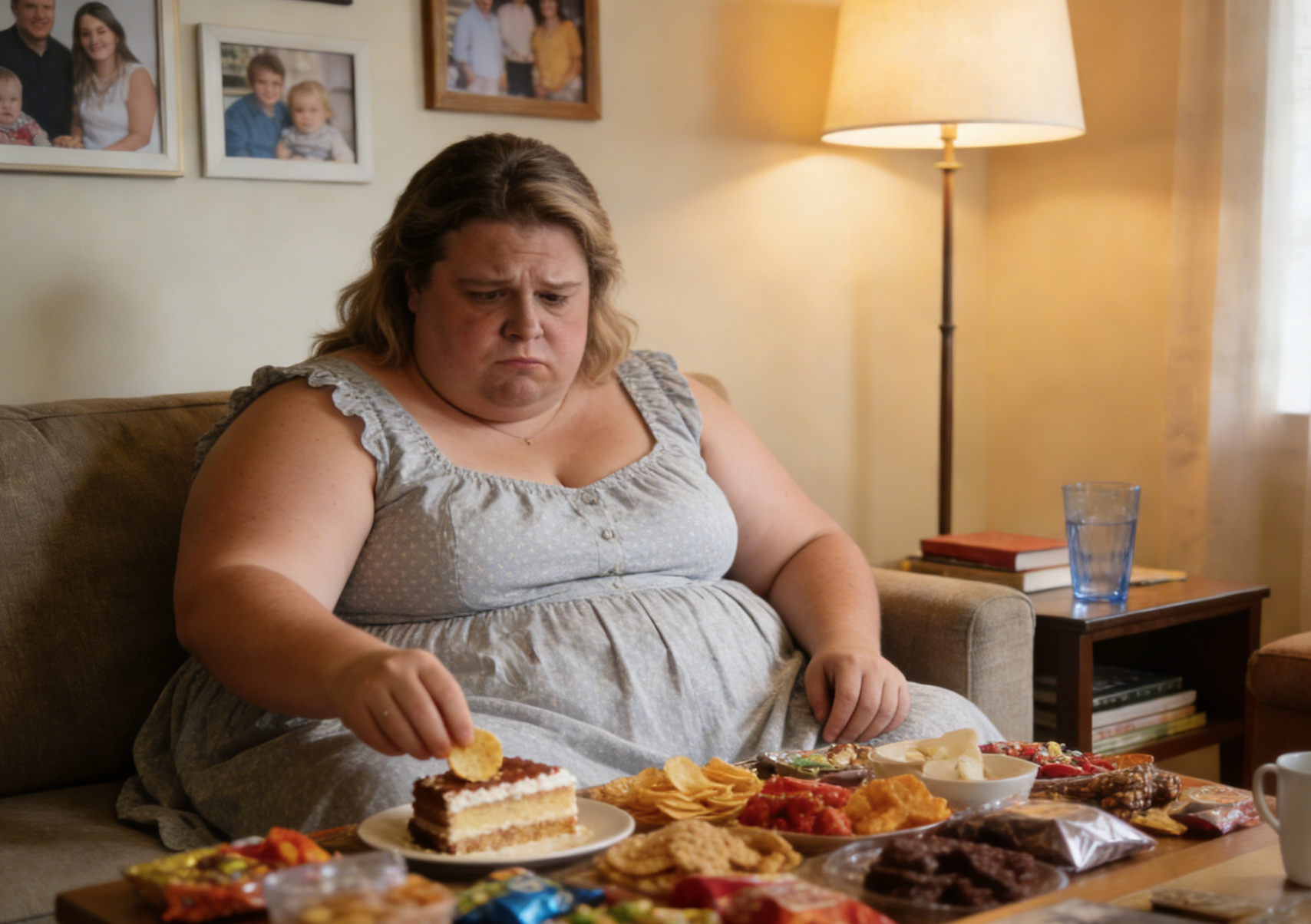
How do snacks hinder weight loss? Three science-backed tips to help you achieve your goals.
This article analyzes how snacks become the biggest obstacle to weight loss and provides three scientific strategies: labeling, conditioned reflexes, and stocking up on healthy snacks. By scientifically managing snack intake, you can satisfy your cravings while effectively promoting weight loss and achieving your healthy weight loss goals.
2026-03-09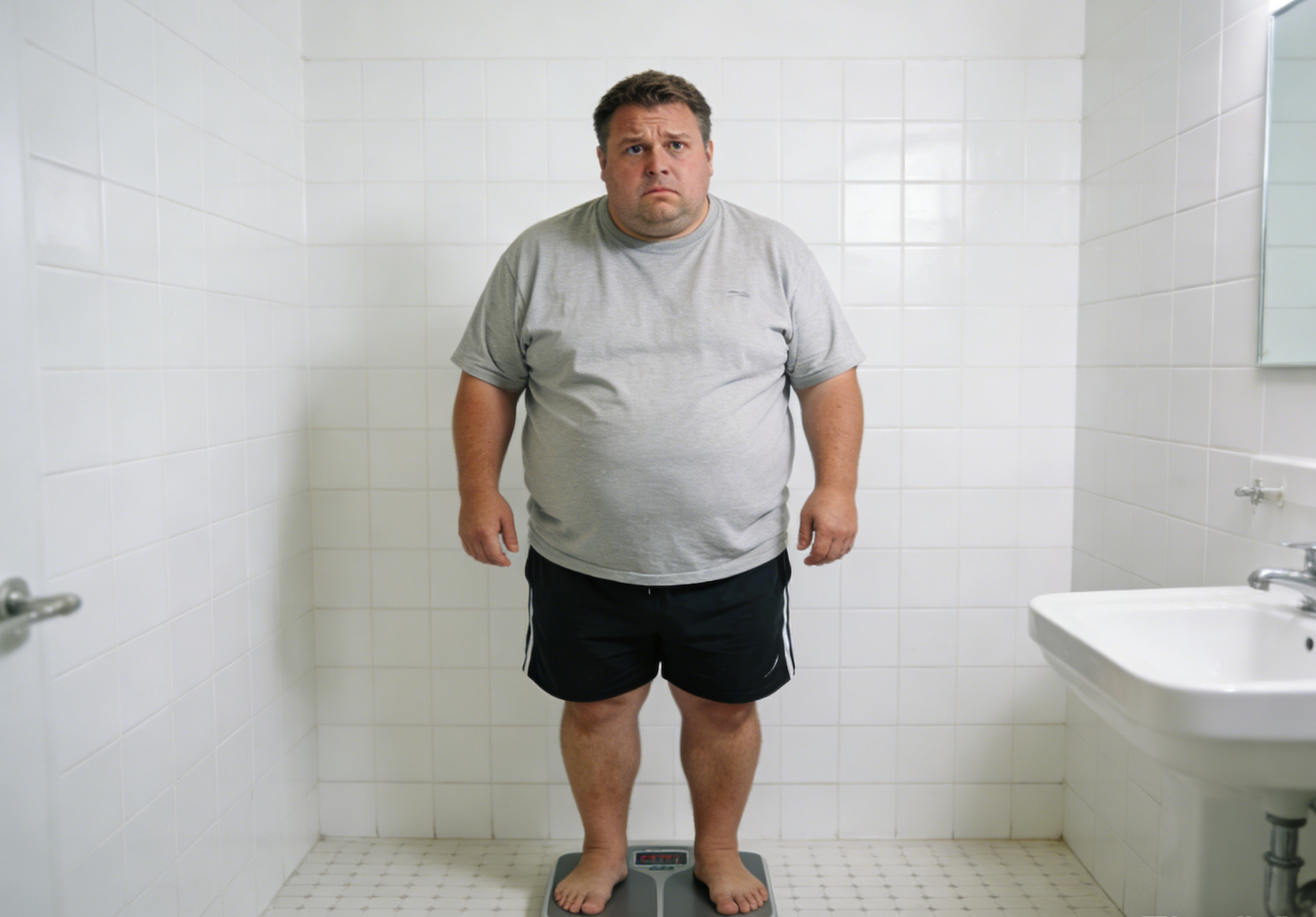
Unveiling two common psychological pitfalls that lead to weight loss failure, and how to overcome them.
This article delves into how two common psychological pitfalls—frequent daily weighing and setting overly ambitious goals—become major obstacles on the weight loss journey. By establishing a correct understanding of weight loss, setting realistic goals, and adopting scientific methods, these pitfalls can be effectively avoided, leading to healthy and sustainable weight loss results.
2026-03-09
How does emotional stress hinder weight loss? Unveiling the link between stress and obesity.
This article analyzes how emotional stress hinders weight loss by stimulating appetite and increasing cortisol levels, highlighting the importance of managing emotions for successful weight loss. Maintaining a positive mindset and reducing stress are crucial steps towards achieving more effective and healthier weight loss.
2026-03-09