
Scientifically Controlling Eating Habits: Five Key Steps to Achieving Effective Weight Loss
Dietary Behavior Control: Although there are many causes of obesity, 95% are simple obesity caused by overnutrition and excessive calorie intake. Obese patients often have eating habits that lead to overeating. If these habits are not changed, weight gain will continue, and even if a certain weight loss therapy is temporarily effective, its effect will not be sustained. Therefore, changing eating habits is one of the fundamental measures for preventing and losing weight. Clinical practice has proven that changing unhealthy eating behaviors can serve as the foundation for other weight loss treatments, consolidating and improving their effectiveness. The following methods are recommended for obese patients to control their eating behavior and improve weight loss results:
1. Planned Weight Loss: When undertaking a diet-based weight loss program, obese patients should first determine their weight loss goals based on their specific circumstances, then calculate their daily calorie intake, design a feasible diet plan, and formulate a weight loss plan. Only by adhering to this plan long-term can the goal of weight loss be achieved.
2. Regular Meal Times: Obese patients generally eat infrequently, consume large amounts of food, and enjoy snacking. They must adhere to eating three meals a day at regular times, avoiding snacks, and gradually establishing a regular biological clock for eating. 1. **Avoid Eating Foods That Are Unnecessary or Discomforting:** Avoid foods that are unnecessary or unpleasant to eat, and absolutely avoid consuming high-calorie meals with guests or friends.
2. **Control Portion Sizes:** To control portion sizes, drink a glass of water, tea, or coffee before meals to increase satiety and reduce food intake. Use less salt in your food; bland foods are less tempting and may lead to less consumption. Even with delicious dishes, only sample them briefly.
3. **Limit Staple Foods:** Staple foods are high in calories, and excessive consumption is one cause of obesity. Obese individuals should gradually reduce their staple food intake according to a plan.
4. **Limit Fatty and Sweet Foods:** Fatty and sweet foods refer to foods high in fat and sugar. Obese individuals should limit their intake of butter, margarine, cream, oils, and nutrient-rich seasonings. Two small pieces of butter are equivalent to 300 kcal. At the same time, sugar intake must be controlled; one tablespoon of sugar provides 160 kcal. If a person adds two teaspoons of sugar to a cup of coffee and drinks four cups a day, they will consume an extra 144 kcal from this alone. It is calculated that if one eats one less slice of bread and two teaspoons of sugar (or a glass of liquor, a glass of milk, a glass of beer, or a sugary drink) each day, one can reduce their daily calorie intake by 100 kcal, potentially resulting in a weight loss of 4.6 kg over a year.
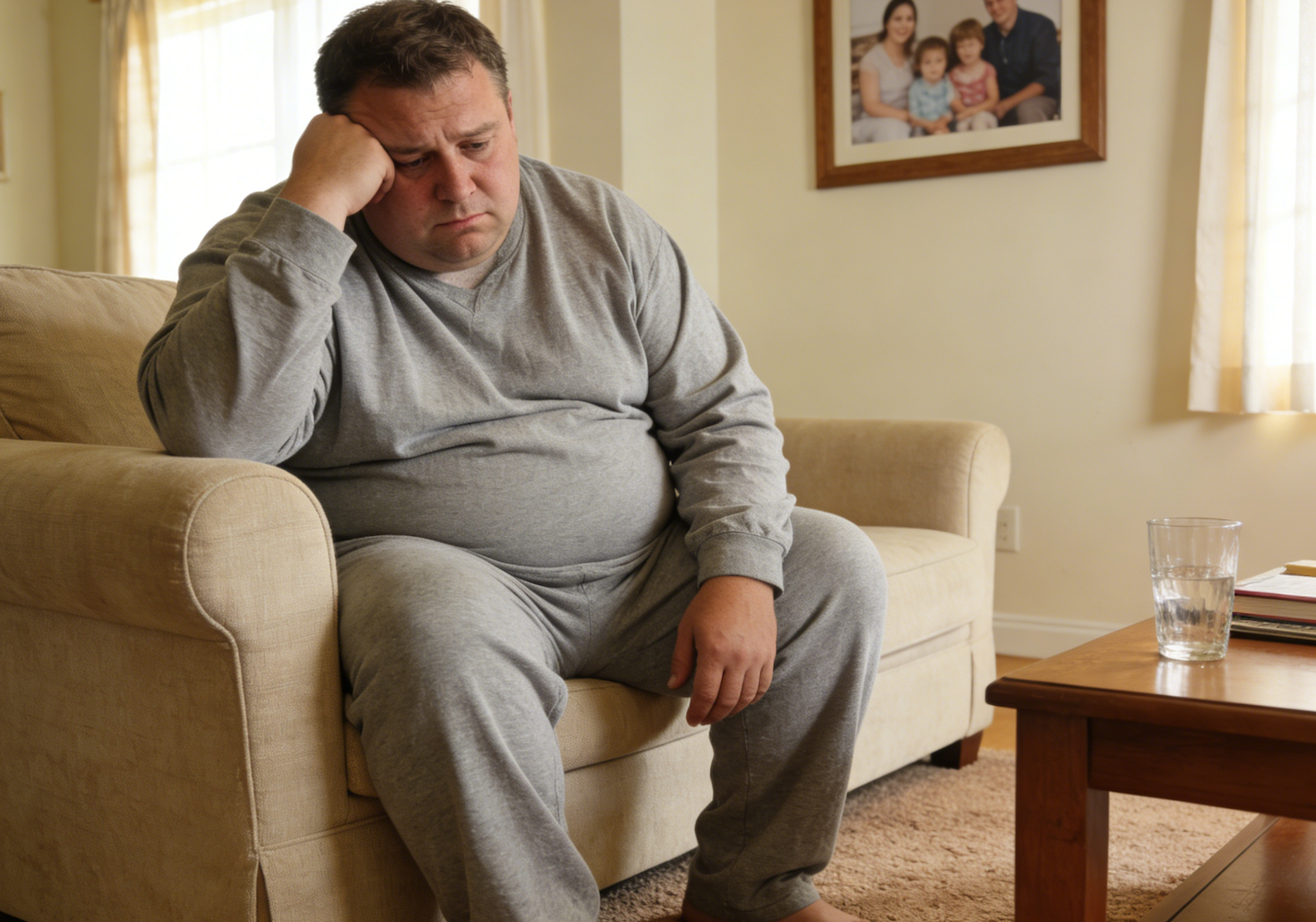
How does emotional stress hinder weight loss? Unveiling the link between stress and obesity.
This article analyzes how emotional stress hinders weight loss by stimulating appetite and increasing cortisol levels, highlighting the importance of managing emotions for successful weight loss. Maintaining a positive mindset and reducing stress are crucial steps towards achieving more effective and healthier weight loss.
2026-03-09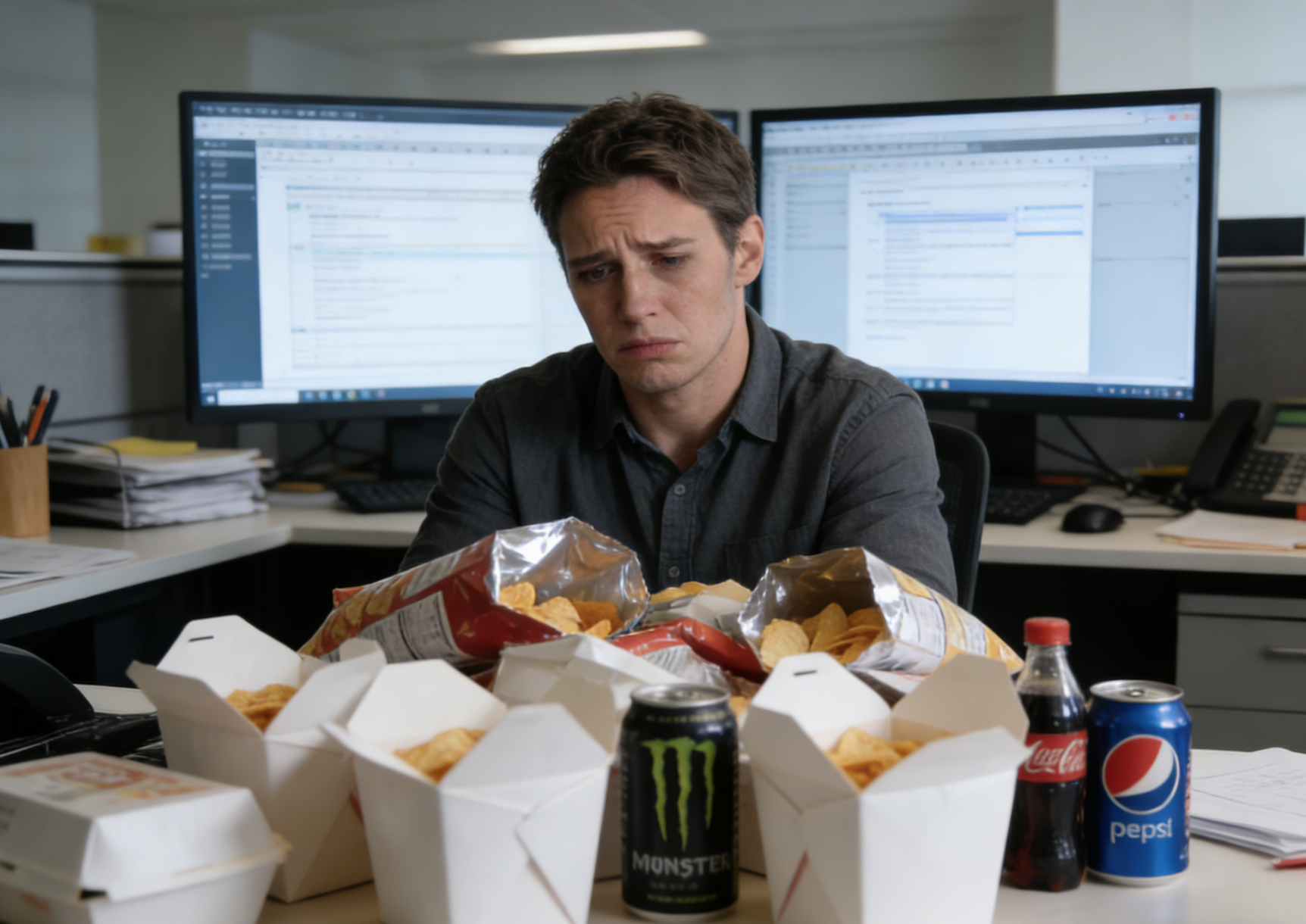
Unlocking the Secrets of Cortisol: How Stress Becomes an Invisible Obstacle on Your Weight Loss Journey
This article explains in detail how the stress hormone cortisol contributes to fat accumulation and water retention by increasing blood sugar and insulin levels, thereby hindering weight loss. Cortisol's effects are particularly pronounced in women, making stress management a crucial aspect of successful and sustainable weight loss.
2026-03-09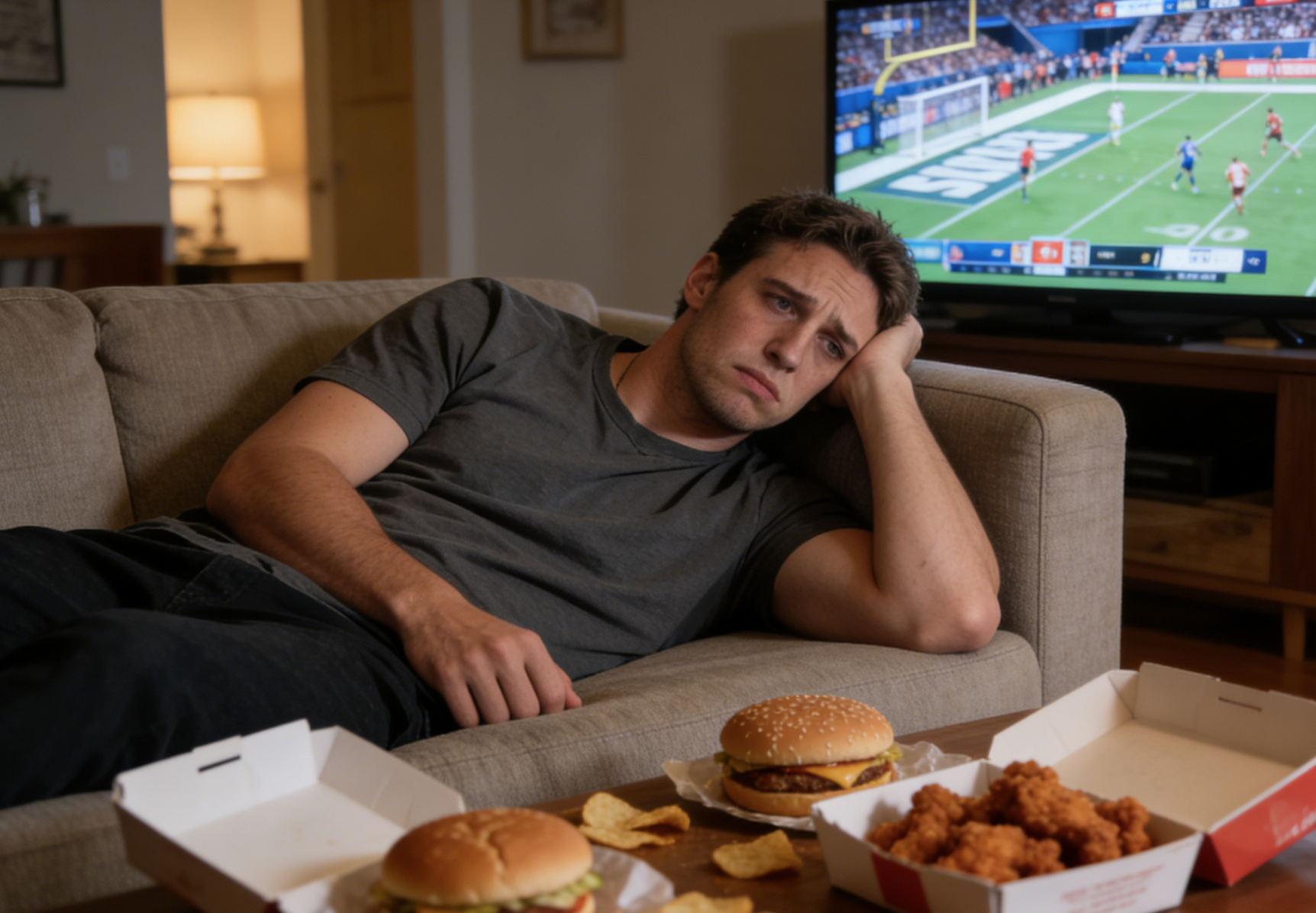
How does overeating affect weight loss? A scientific analysis of the causes and coping strategies.
Overeating not only harms health but is also a major reason for weight loss failure. This article reveals in detail how emotional stress, restrictive dieting, and unhealthy eating habits trigger overeating, and provides guidance on developing healthy eating habits to overcome this obstacle and support effective weight loss.
2026-03-09