
Weight Loss: Remember Exercise Hygiene Tips for Safe, Injury-Free, and More Efficient Exercise
Exercise must be approached scientifically; choosing the right methods, paying attention to techniques, and seizing the right opportunity are crucial. Similarly, mastering basic physiological and hygiene knowledge is essential for exercise to ensure it is beneficial and harmless.
1. Warm-up Activities: Before formal exercise, especially in winter or before strength training, warm-up activities are necessary.
Warm-up activities are divided into general and specific types. General warm-up activities mainly consist of brisk walking, jogging, calisthenics, and joint mobilization. Specific warm-up activities use training methods with characteristics and structures very similar to the specific technical movements being practiced, preparing the body for the heavier loads during formal practice and competition, thus adapting to the needs of the specific technique.
Through warm-up activities, heart rate increases, blood flow accelerates, muscle temperature rises, elasticity is enhanced, and breathing deepens, thereby improving the body's metabolic rate. This helps overcome the inertia of internal organs, adapting them to the motor organs to improve athletic performance, and also prevents injuries to muscles, ligaments, and joints.
2. Cool-down Exercises: Cool-down exercises, also known as recovery activities, refer to slow-paced exercises such as walking, jogging, and deep breathing performed after each workout or during breaks to help the heart rate, respiration, and blood pressure return to a resting state as quickly as possible.
Muscle exercise, especially strenuous muscle exercise, often occurs under hypoxic conditions. During exercise, the respiratory rate is 3-4 times higher than at rest, and the respiratory depth increases 5-8 times. During middle- and long-distance running, the oxygen demand is 16-25 times greater than at rest. Insufficient oxygen supply can cause dizziness and lightheadedness; a person can be life-threatening if deprived of oxygen for 5 minutes.
After exercise, internal organs continue to work to compensate for the hypoxia experienced during exercise. Without cool-down exercises, respiratory rate and depth will be affected, reducing the timely replenishment of the body's oxygen demand. Furthermore, blood may pool in the muscles of the limbs, away from the heart, reducing venous return to the heart and potentially causing temporary cerebral ischemia, leading to "gravitational shock."
3. Clothing Appropriate for Sports Needs: Since sports activities are mostly outdoors, clothing and footwear should adapt to both seasonal changes and the demands of the activity. Sports clothes and socks are best made of breathable, absorbent, lightweight, and soft cotton fabrics. In summer, wear white or light-colored sports clothes, preferably vests and shorts, to facilitate heat dissipation. In winter, start exercising warmly, gradually reducing layers as you warm up to prevent frostbite. Shoes should be loose, flat-soled, lightweight, and soft. Avoid wearing shoes with plastic soles in winter to prevent joint sprains or slips that could cause injury.
During exercise, sweating releases inorganic salts, uric acid, urea, and other organic substances. This mixture, along with dead skin cells, sebum, and dust, adheres to underwear and socks, hardening after drying. This not only irritates the skin, easily causing boils, eczema, and other skin diseases, but also provides a breeding ground for bacteria, making it extremely unhygienic. Therefore, clothes soaked with sweat during exercise should be changed and washed promptly. Shoes should be placed in a cool, well-ventilated place to allow moisture and odor to dissipate, thus protecting the skin and feet, the organs most affected by exercise.
4. Scientific Hydration: In summer, excessive sweating during exercise necessitates timely hydration. Water should be replenished frequently in small amounts, preferably with lukewarm, slightly salty water (4-10 grams of salt and 20-50 grams of sugar added to 1000 ml of boiled water). This helps maintain the body's water and electrolyte balance, acid-base balance, osmotic pressure, and normal nerve and muscle function. Avoid using strong coffee, strong tea, or iced soda, juice, cola, ice cream, and other beverages high in sugar, caffeine, electrolytes, and synthetic pigments for hydration. These substances have a diuretic effect, accelerating water excretion and failing to help relieve cellular dehydration. Furthermore, these beverages can irritate the stomach and intestines, causing bloating and discomfort. Consuming iced food immediately after exercise can irritate the intestines, causing mild gastrointestinal spasms and, in severe cases, massive gastrointestinal bleeding.
5. Do not take a cold shower or swim immediately after exercise, as this can cause a sudden drop in body temperature and rapid vasoconstriction, preventing the body from dissipating excess heat and easily leading to colds, cramps, and other illnesses. In severe cases, it can even cause heart problems.
Do not take a hot shower immediately after exercise, especially for weak, elderly people and obese individuals. This can cause a sudden increase in heart rate and blood flow, with over 70% of the blood flowing to the muscles and subcutaneous tissue, leading to cerebral ischemia, potentially causing fainting or triggering heart pain.

Whole milk vs. low-fat milk: Which is better for healthy weight loss?
This article analyzes the differences between whole milk and low-fat milk during weight loss, pointing out that low-fat milk may lose nutrients during the fat removal process and often contains added sugar, while whole milk, although nutritionally complete, has a higher lactose content. Understanding these differences can help people trying to lose weight make informed choices about dairy products and avoid negatively impacting their weight loss efforts and overall health.
2026-03-05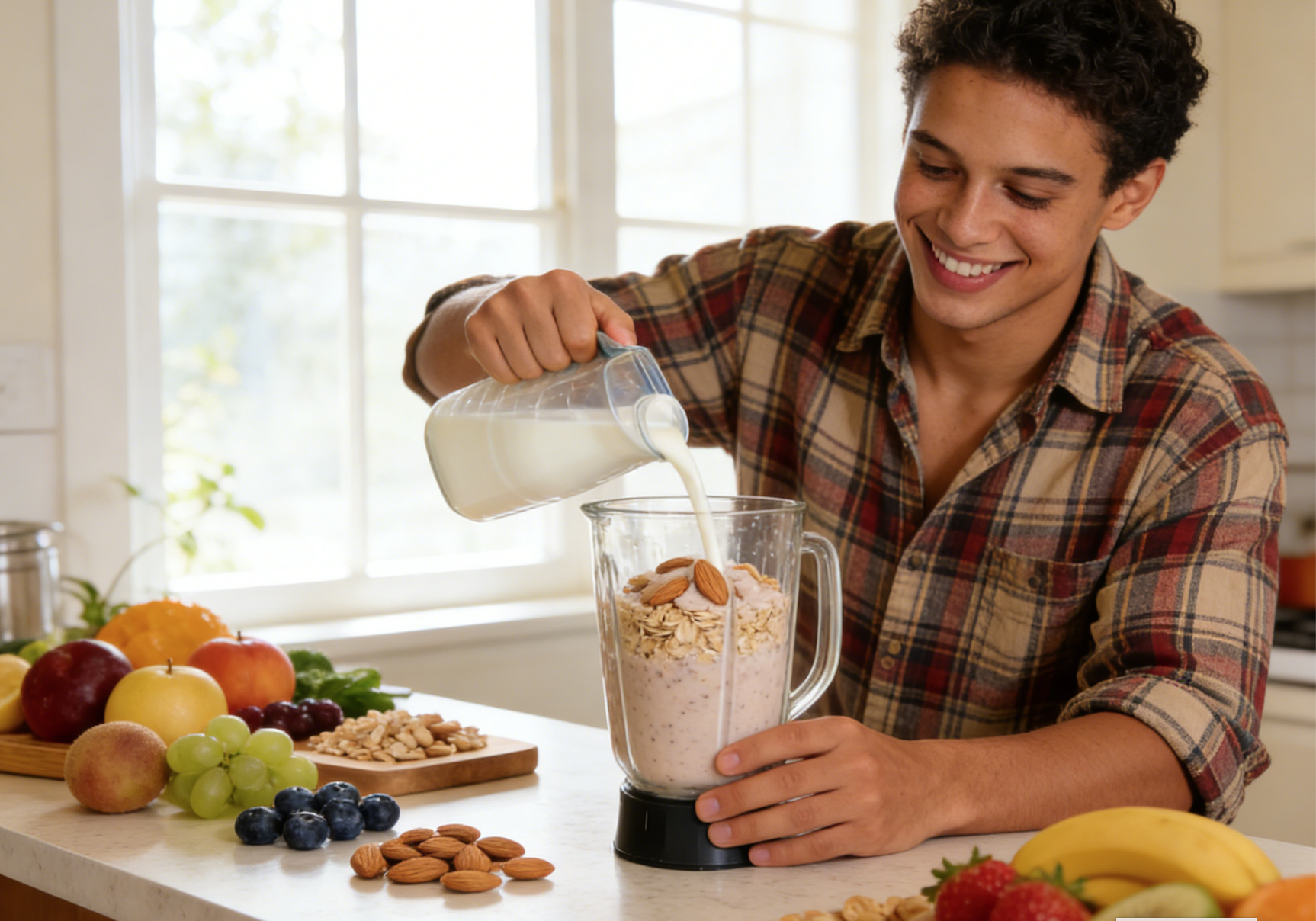
Can almond milk help with weight loss? A complete guide to making healthy milk alternatives at home.
Almond milk is lactose-free, rich in vitamin E and dietary fiber, making it an ideal milk substitute during weight loss. Homemade almond milk is sugar-free and additive-free, making it even healthier. It can be enjoyed with coffee or hot cocoa, helping to control weight and achieve effective weight loss. Learn how to make it and easily enjoy this healthy weight-loss beverage.
2026-03-06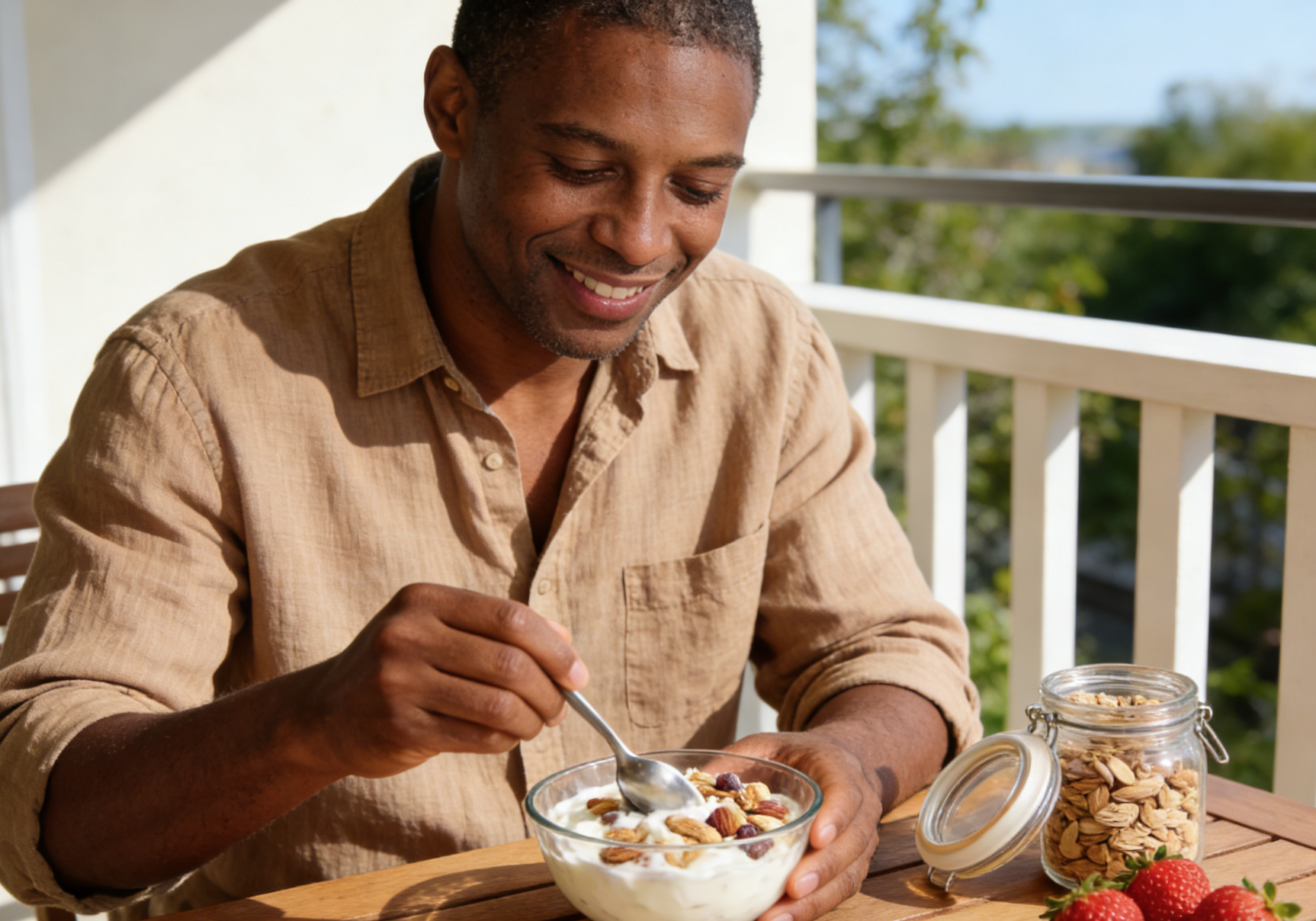
How can nuts help with weight loss? A scientific guide to choosing metabolism-boosting snacks.
Nuts play an important role in weight loss by effectively boosting metabolism. By choosing low-net-carbohydrate nuts, such as macadamia nuts and walnuts, and controlling daily intake, you can support weight loss. This article provides a detailed explanation of how to scientifically consume nuts to support weight loss goals while avoiding the risk of weight gain.
2026-03-06