
Which type of exercise is most effective for weight loss?
What kind of exercise can help with weight loss?
Various types of exercise have a certain impact on a person's health and body shape. However, for someone who wants to lose weight and participates in exercise, it is not advisable to believe that simply participating in exercise will definitely lead to weight loss. This is because the calories burned by different types of exercise, intensities, and durations do not all come from body fat. Generally speaking, in moderate exercise, 35% of the calories burned in 30 minutes are provided by fat, and in 40 minutes, this figure rises to over 50%. 45% of the calories burned in long-distance running come from fat; the calories burned in a 100-meter sprint come almost entirely from carbohydrates, thus it is not helpful for weight loss.
Generally speaking, there are the following types of weight loss exercises:
(1) The most effective and universally applicable physical activities for those with a light or low body weight are brisk walking and running. Of course, the energy consumption during walking is relatively small; if you walk 6 kilometers per hour, you only burn 400 kilocalories. To compensate for this, eating only 100 grams of dairy products is sufficient. However, it's important to know that walking activates the cardiovascular and respiratory systems, while also engaging muscle tissue, which positively impacts the body's metabolic processes. Therefore, to enhance weight loss, one should appropriately increase exercise—that is, walk as much as possible. There's an old Chinese saying, "Walking is better than driving; it brings health and longevity." This relatively safe form of exercise is especially suitable for the elderly.
Running is more effective for weight loss, but it's a more strenuous activity. Therefore, caution is necessary when using it; those who are weak, lack exercise, or are excessively obese should not run.
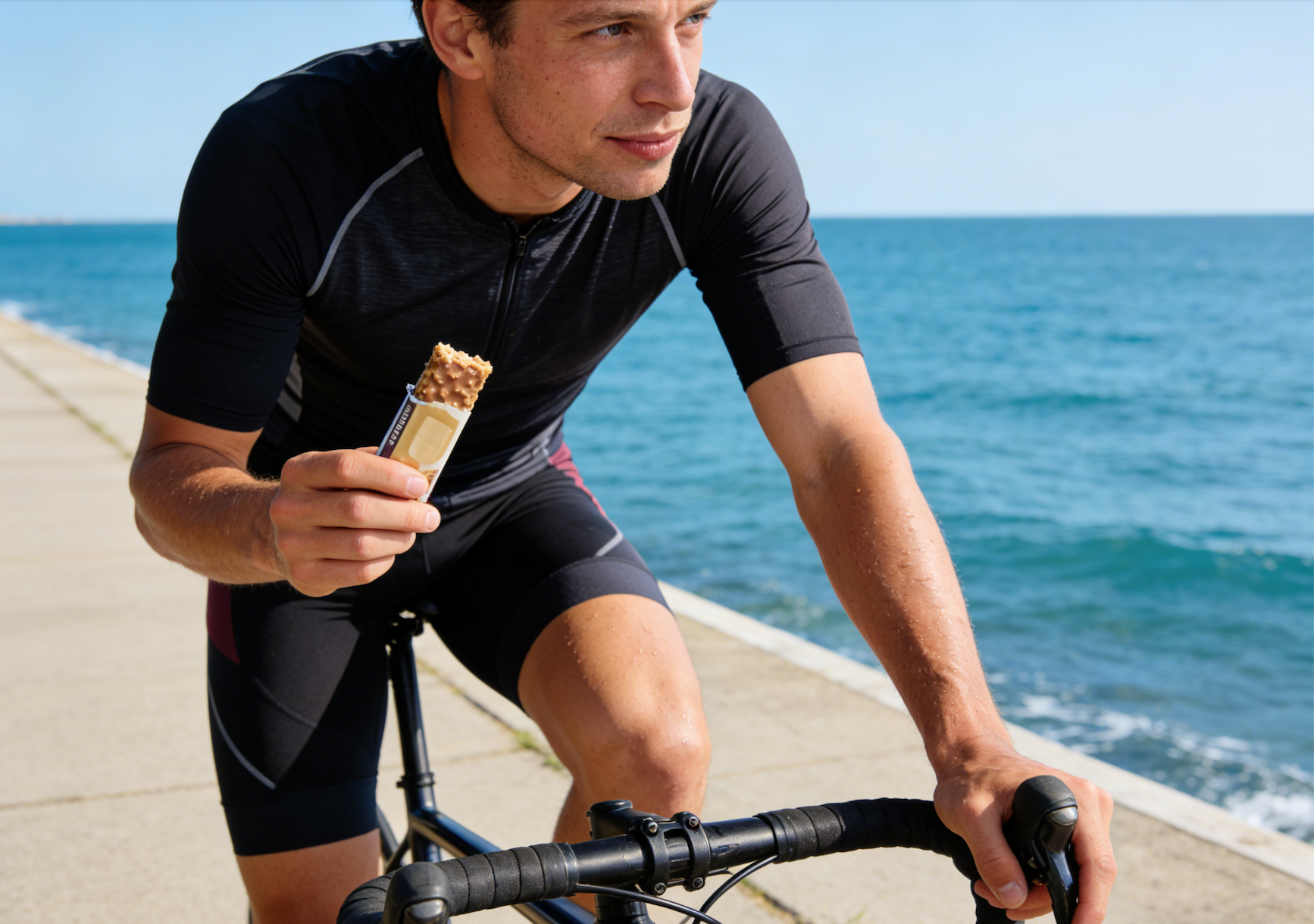
(2) Regular (at least 3-4 times per week) swimming, cycling, horseback riding, disco dancing, ballet, etc., can also have significant weight loss effects. However, remember that after such exercise, appetite will increase significantly; if you cannot maintain a diet, your weight will not only fail to decrease but may even increase.
(3) The best and most crucial weight loss exercise is to do more abdominal exercises. Doing this 60-120 times a day, for 6-10 minutes each time, can significantly strengthen your abdominal muscles. This is undoubtedly very beneficial for eliminating abdominal fat. While contracting your abdominal muscles, simultaneously relax your shoulders and lift your head; this will invigorate you.
The relationship between insulin and weight loss: How to effectively control blood sugar and reduce fat storage
This article explores the relationship between insulin and blood sugar, explaining how insulin affects fat storage and obesity risk. It teaches methods for effectively losing weight by controlling blood sugar levels, helping you achieve healthy weight loss goals and reduce the likelihood of developing chronic diseases such as diabetes.
2026-03-24
How do processed foods affect blood sugar? The secrets of the low-insulin diet for weight loss revealed.
This article explores how highly processed foods cause a rapid rise in blood sugar, leading to excess insulin and fat storage. A low-insulin diet can effectively control blood sugar and achieve healthy weight loss. Understanding this method can help you avoid highly processed foods, choose natural foods, successfully lose weight, and improve your overall health.
2026-03-24
The relationship between glycemic index and insulin: How food affects blood sugar and health
This article analyzes the relationship between the glycemic index (GI) of foods and insulin secretion, explaining how high-GI foods rapidly raise blood sugar, stimulate massive insulin secretion, and increase the risk of fat storage. Understanding the glycemic index helps in choosing healthy foods, effectively controlling blood sugar and insulin levels, maintaining stable metabolism, and supporting long-term health management.
2026-03-24