
Weight Loss Guides

The key to successful weight loss lies in maintaining it long-term, not in achieving rapid weight loss in the short term.
This article emphasizes that true weight loss success is not about short-term weight reduction, but about finding sustainable methods to maintain results in the long term. Many rapid weight loss methods easily lead to weight regain; scientific weight loss should focus on dietary adjustments and lifestyle changes to achieve lasting and effective weight management.
2026-02-27
Four scientific methods to reduce appetite and help you lose weight effectively without rebound.
This article introduces four effective scientific methods to reduce appetite, including drinking soup before meals and chewing food slowly, to help control food intake and easily achieve weight loss goals. Mastering these techniques can effectively manage hunger during the weight loss process, prevent overeating, and make weight loss healthier and more sustainable.
2026-02-27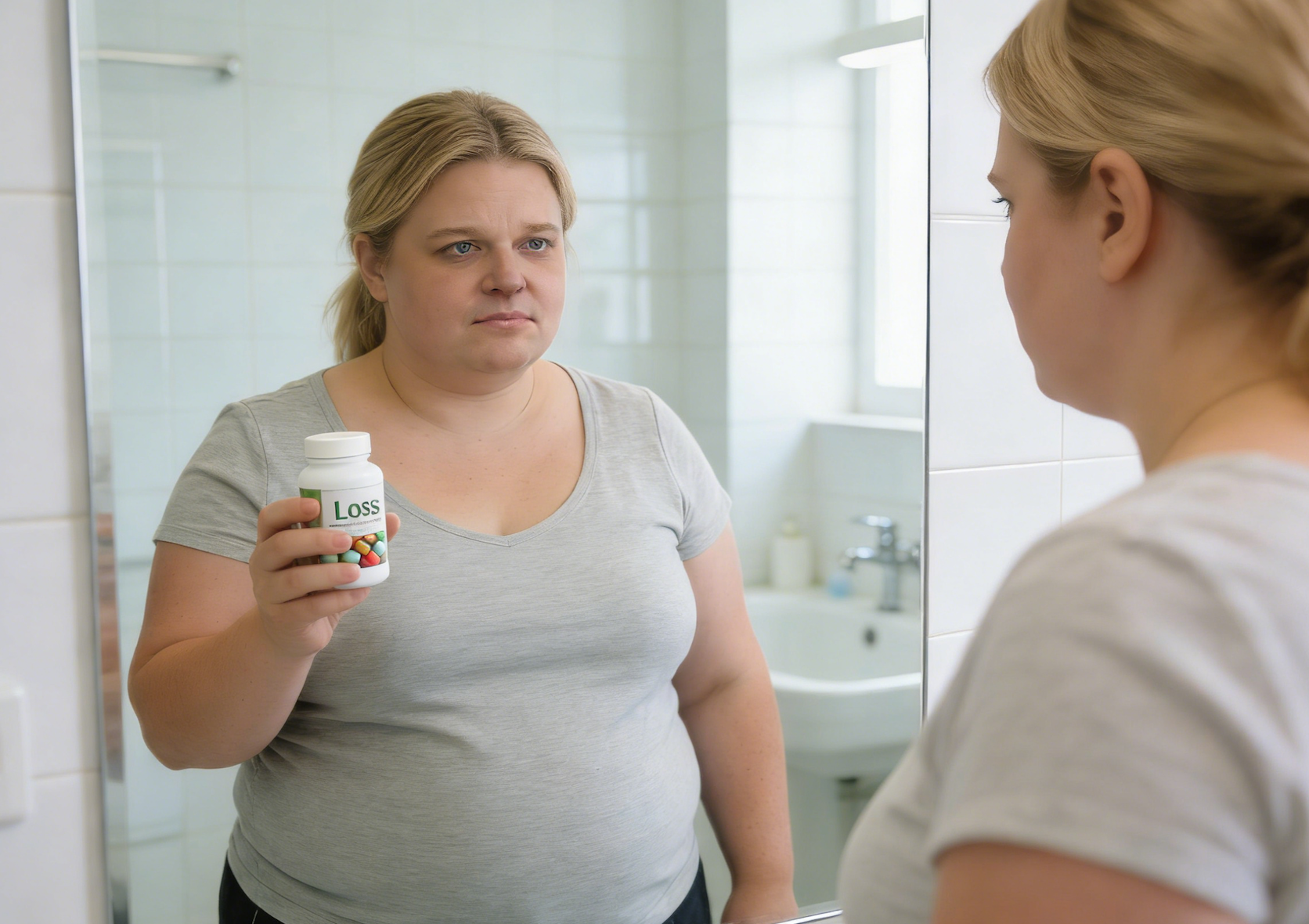
Beware of secondary obesity: How diseases and medications affect scientific weight loss
This article details seven causes of secondary obesity, including hypothalamic syndrome, hypothyroidism, and medications, revealing their complex mechanisms that differ from simple obesity. Understanding these root causes is a prerequisite for scientific diagnosis and effective weight loss. For this type of obesity, healthy weight loss requires first treating the underlying disease.
2026-02-27
Is hormonal imbalance the main cause of obesity? Scientific weight loss should begin with balancing hormones.
This article reveals that the true cause of obesity lies in hormonal imbalance, not simply calorie intake. Scientific weight loss should begin with regulating diet and balancing hormones to improve metabolism and appetite control. Understanding how hormones affect fat storage and burning is key to successful weight loss and maintaining a healthy weight.
2026-02-27
The truth about exercise and calorie expenditure: Why is intense exercise often ineffective for weight loss?
This article reveals that exercise accounts for only a small portion of the body's total daily energy expenditure, and excessive exercise can easily trigger compensatory behaviors, ultimately reducing energy expenditure during daily activities. Understanding the principles of energy allocation can help in developing more scientific and sustainable weight loss strategies, avoiding the pitfalls of ineffective exercise.
2026-02-27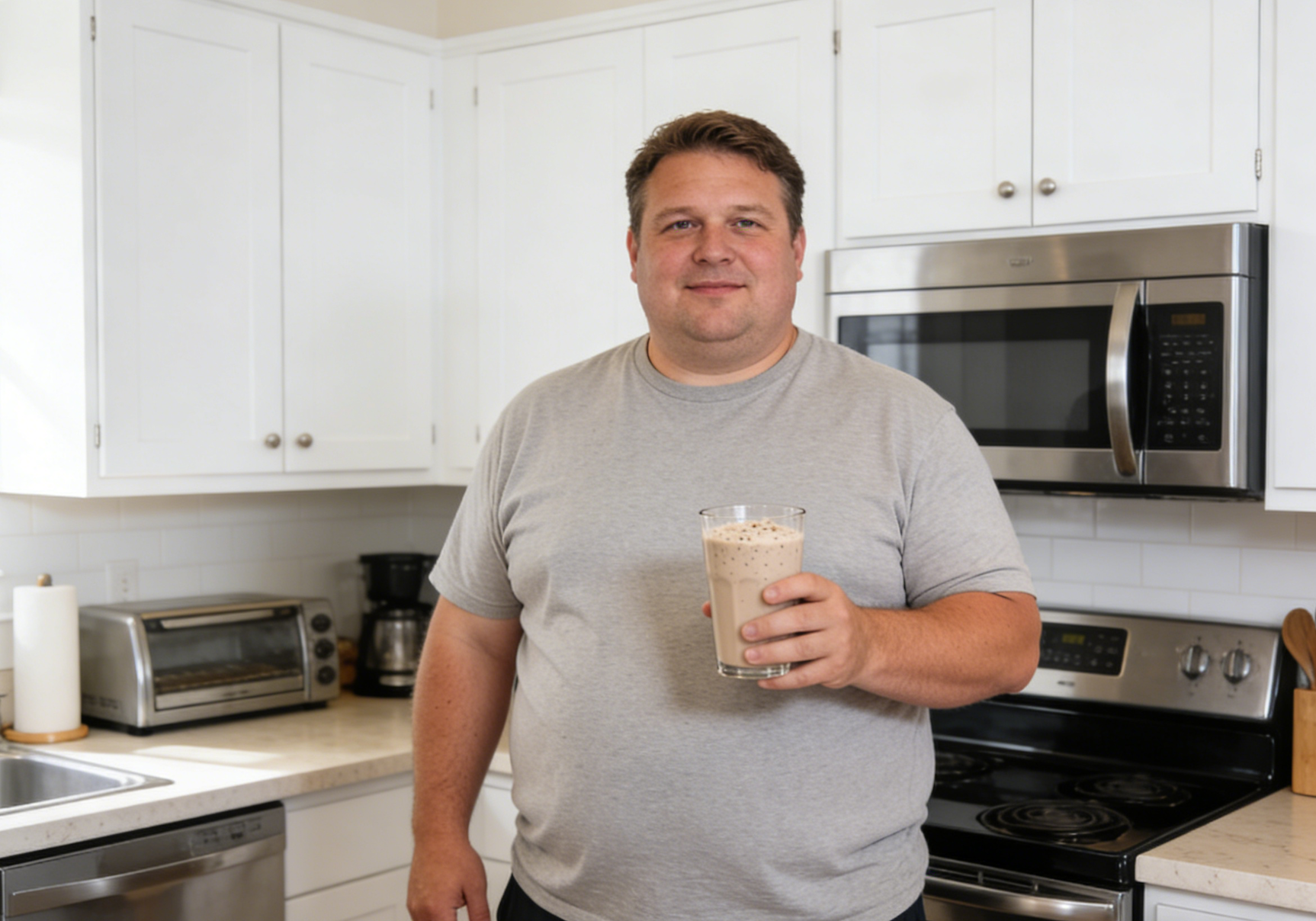
Can meal replacements and weight-loss pills really help you lose weight? Be aware of the side effects and the risk of weight regain.
This article provides an in-depth analysis of the actual effects of meal replacement products and weight-loss drugs, pointing out that their extremely low calorie content can lead to malnutrition and metabolic damage, and that weight regain is highly likely after discontinuing their use. Drug-based weight loss often carries health risks and is not a safe or effective long-term weight loss solution. For healthy weight loss, it is advisable to avoid relying on such products.
2026-02-27
Why is exercise not very effective for weight loss? A scientific analysis of the roles of diet and exercise.
This article explores the true effects of exercise on weight loss, highlighting that high-intensity interval training is more effective than traditional aerobic exercise. A scientific approach to weight loss should prioritize dietary adjustments, combined with appropriate exercise, to achieve healthy and sustainable weight loss and avoid the inefficiency and frustration caused by indiscriminate exercise.
2026-02-27
Why do you always crave food when trying to lose weight? 5 overlooked factors that influence appetite.
This article reveals five key factors that influence appetite: lack of sleep, protein deficiency, excessive stress, insufficient hydration, and medication effects. Understanding these factors scientifically can help effectively control excessive appetite, prevent failure due to hunger during weight loss, and achieve more stable weight management.
2026-02-26
How can Vitamin D become a hidden aid to happy weight loss?
This article reveals the dual value of vitamin D for weight loss: it's not only a "happy hormone" that improves mood and combats depression, but it also reduces fat formation and promotes calcium absorption. Learn how to effectively supplement vitamin D through scientific sun exposure and diet, making your weight loss journey easier and more enjoyable.
2026-02-26
Is eating small, frequent meals for weight loss a misconception? Research reveals its multiple health risks.
This article provides an in-depth analysis of the actual effects of eating small, frequent meals as a weight-loss method, pointing out that it not only fails to accelerate metabolism or control appetite, but may actually stimulate overeating and disrupt gastrointestinal function. Scientific evidence shows that regular three meals a day are more conducive to healthy weight loss than eating small, frequent meals. Choosing the right eating pattern is fundamental to achieving effective weight loss and maintaining long-term health.
2026-02-02
The Truth About Scientific Weight Loss: Why the Calorie Counting Method Fails 95.4% of the Time and its Dangers
Dieters often rely on calorie counting, but statistics show that this method has a failure rate of up to 95.4%. This article delves into the reasons for weight loss failure, pointing out that dieting can lead to impaired basal metabolism and hormonal imbalances that regulate appetite, making weight loss even more difficult. Learn scientific weight loss methods to avoid gaining weight instead of losing it, and achieve healthy weight management.
2026-02-02
Why does simply counting calories often fail for weight loss? A scientific analysis of the reasons and the correct approach.
This article delves into the common misconceptions of weight loss based solely on calorie counting, highlighting that inaccurate food calorie data and individual metabolic differences lead to the ineffectiveness of this method. Scientific weight loss should focus on food quality and hormonal influences, rather than relying solely on calorie numbers, to avoid the pitfalls of ineffective weight loss or weight regain.
2026-02-02
Can eating smaller, more frequent meals really help with weight loss? A scientific explanation of the truth about appetite and hormones.
This article scientifically analyzes common misconceptions about the frequent small meals diet for weight loss, revealing how it may stimulate ghrelin secretion, intensify hunger, and thus hinder fat burning. Long-term use of this method is not conducive to effective weight loss and may even increase appetite. Understanding how hormones regulate appetite is crucial for finding a more scientific approach to weight loss.
2026-02-02
Mindful Eating: A method for healthy weight loss through focused eating.
This article introduces three core principles of mindful eating: focusing on eating, chewing slowly, and emotional relaxation. These principles help improve unhealthy eating habits such as overeating. By practicing mindful eating, you can effectively enhance satiety, regulate appetite, and thus support a long-term, healthy weight loss process, achieving balance between mind and body.
2026-02-02