
Weight Loss Guides

Four Advantages and Principles of Scientific Exercise for Weight Loss
This article details the four core advantages of exercise for weight loss compared to diet: improved health, no need for strict calorie restriction, maintenance of metabolic rate, and ease of adherence. Exercise not only effectively promotes fat burning but also transforms the body into a "lean physique," achieving healthy weight loss and sustainable weight management. Understanding the scientific principles is key to successful weight loss.
2026-03-13
How can scientific exercise help with weight loss? Key to improving heart health.
This article provides an in-depth analysis of the comprehensive health benefits of exercise, focusing on how it effectively achieves weight loss by burning calories and regulating metabolism. Exercise not only promotes fat breakdown but also significantly enhances heart function and improves capillary circulation, thus laying a solid foundation for healthy weight loss. Understanding the principles of scientific exercise is key to achieving weight loss goals safely and efficiently.
2026-03-13
How does exercise affect energy metabolism? The key to scientifically planning and improving weight loss results.
This article provides an in-depth analysis of how exercise can aid in weight loss by increasing basal metabolic rate, boosting calorie expenditure, and optimizing body composition. Understanding the complex effects of exercise on energy metabolism helps in scientifically planning exercise programs, effectively achieving healthy weight loss, and avoiding ineffective workouts.
2026-03-13
The three key differences between intermittent fasting and dieting: an essential guide to scientific weight loss.
This article details the three core differences between intermittent fasting and dieting, analyzing their differences in calorie intake, eating frequency, and effects on muscle mass. Intermittent fasting, as a scientifically effective weight loss method, avoids the harms of dieting, helps break through weight loss plateaus, and achieves healthy weight loss.
2026-03-12
A Comprehensive Analysis of the Causes of Obesity and Effective Weight Loss Strategies
This article systematically analyzes the root causes of obesity, pointing out that calorie intake exceeding expenditure is the core reason for weight gain, and analyzes the influence of factors such as genetics, dietary structure, and insufficient exercise. Understanding these mechanisms helps in developing scientific weight loss strategies, effectively controlling weight, and improving health.
2026-03-12
Scientific Review of Weight Loss Plateaus: Four Steps to Identify True and False Plateaus and How to Break Through
This article provides four steps for scientifically identifying weight loss plateaus, helping dieters determine if they have truly hit a plateau. By systematically reviewing factors such as diet and sleep, it identifies the real reasons affecting weight loss progress, enabling effective breakthroughs and making the weight loss process more scientific and smoother.
2026-03-12
Weight Loss and Belly Slimming: Analyzing the Causes of Obesity and Providing Scientifically Targeted Fat Reduction Methods
Understanding the pathology and causes of simple obesity, this course provides targeted adjustments to exercise and diet to aid weight loss, improve metabolism at its root, and make weight loss more efficient and less prone to rebound.
2026-03-12
How to improve weight loss results by optimizing sleep? 10 scientific tips.
This article offers 10 scientific tips to help you optimize your sleep, thus more effectively supporting your weight loss journey. Improving sleep quality allows you to better regulate your metabolism and appetite, preventing weight loss plateaus caused by poor sleep, and is a key step in achieving efficient and healthy weight loss.
2026-03-11
Understanding weight fluctuations scientifically is key to achieving truly healthy weight loss.
This article analyzes why focusing solely on the number on the scale can mislead the weight loss process, emphasizing that true weight loss is about reducing body fat, not just losing weight. Understanding the impact of factors such as hormones and water retention on weight can help you avoid common weight loss mistakes and achieve more scientific and sustainable healthy weight loss goals.
2026-03-11
Distinguishing between true and false plateaus: A scientific understanding of weight loss plateaus and coping strategies
This article details the difference between true and false plateaus during weight loss, pointing out that a plateau in body fat reduction lasting for several weeks is the real plateau. Understanding this self-balancing mechanism of the body and avoiding giving up due to misjudgments caused by short-term weight fluctuations is key to persisting in weight loss and achieving long-term success.
2026-03-11
Supplementing with magnesium improves sleep: A scientifically sound new strategy for efficient weight loss.
This article analyzes how magnesium can indirectly promote weight loss by improving sleep quality and relieving anxiety. Foods rich in magnesium, such as fish, avocados, and nuts, can not only optimize sleep but also help stabilize metabolism, making them an effective dietary strategy for scientific and healthy weight loss.
2026-03-11
Scientifically measuring body fat: a key method for accurately assessing weight loss results
This article details three scientific methods for measuring body fat, including waist and neck circumference measurements and the use of body fat calipers, helping you go beyond the number on the scale and accurately assess your weight loss progress. Mastering these methods will allow you to effectively track fat reduction, avoid ineffective weight loss, and achieve truly healthy weight loss goals.
2026-03-11
Is drinking alcohol a misconception that it helps you sleep? Scientific analysis explains how it hinders weight loss.
Drinking alcohol before bed may seem like a sleep aid, but it actually severely reduces sleep quality and the duration of deep sleep. Over time, this not only accelerates aging but also disrupts metabolism and hormonal balance due to poor sleep, becoming a hidden obstacle to weight loss. Understanding scientific sleep principles is a crucial part of healthy weight loss.
2026-03-10
Five scientifically sound food choices for regulating mood and aiding in happy weight loss.
This article reveals how five types of food, including deep-sea fish and fermented foods, can scientifically regulate mood by lowering cortisol and increasing serotonin, thereby indirectly helping to control appetite and achieve a more relaxed and effective weight loss process. Understanding and making good use of these foods is an important path to happy weight loss and mental and physical well-being.
2026-03-10
How does lack of sleep lead to obesity? Scientific analysis and weight loss advice.
This article details how sleep deprivation hinders weight loss by disrupting appetite hormones and reducing self-control, emphasizing the crucial role of quality sleep in weight control and healthy weight loss. Good sleep not only stabilizes metabolism but is also a fundamental guarantee for improving weight loss efficiency and overall health.
2026-03-10
Does poor sleep quality lead to weight loss failure? Unveiling the three dietary taboos before bed.
This article reveals how consuming caffeine, strong-flavored foods, and high-protein foods before bed can reduce sleep quality and thus hinder weight loss. Understanding these dietary taboos before bed and avoiding weight loss difficulties caused by poor sleep is a key step in achieving healthy and efficient weight loss.
2026-03-10
How does sleeping with the lights on hinder weight loss? Scientific analysis and improvement suggestions.
This article reveals that sleeping with the lights on disrupts the biological clock, inhibits the secretion of melatonin and growth hormone, leading to hormonal imbalances and an increased risk of obesity. Improving the sleep environment is crucial for healthy weight loss, and enhancing sleep quality can effectively promote weight loss efficiency.
2026-03-10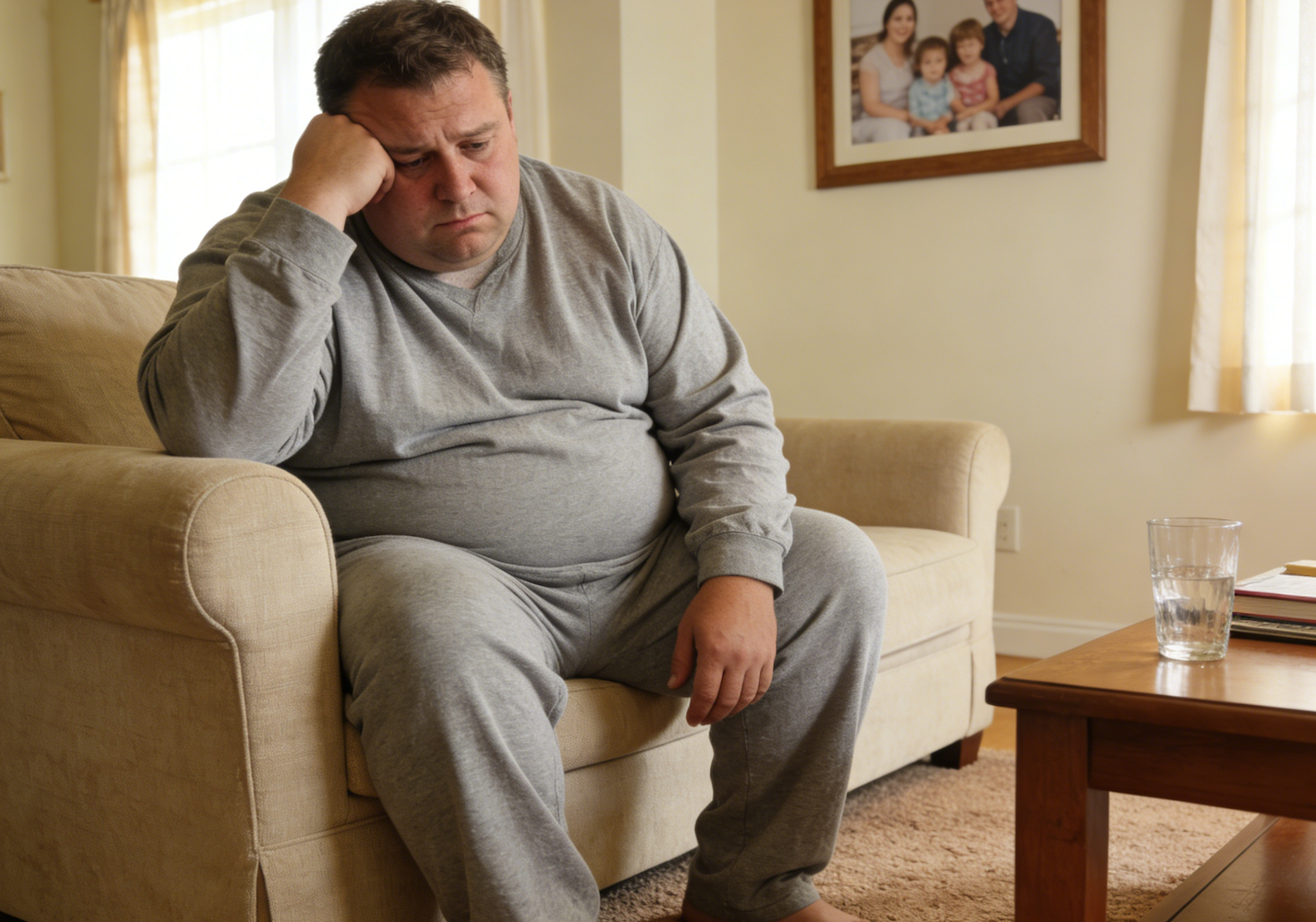
How does emotional stress hinder weight loss? Unveiling the link between stress and obesity.
This article analyzes how emotional stress hinders weight loss by stimulating appetite and increasing cortisol levels, highlighting the importance of managing emotions for successful weight loss. Maintaining a positive mindset and reducing stress are crucial steps towards achieving more effective and healthier weight loss.
2026-03-09
Unlocking the Secrets of Cortisol: How Stress Becomes an Invisible Obstacle on Your Weight Loss Journey
This article explains in detail how the stress hormone cortisol contributes to fat accumulation and water retention by increasing blood sugar and insulin levels, thereby hindering weight loss. Cortisol's effects are particularly pronounced in women, making stress management a crucial aspect of successful and sustainable weight loss.
2026-03-09
Breaking Through Weight Loss Plateaus: Causes of Stagnation and Solutions
Hitting a weight loss plateau is common. This article analyses the true reasons behind weight stagnation and offers practical strategies for adjusting diet, exercise and hydration to help you overcome this bottleneck and continue your scientific weight loss journey smoothly.
2026-03-09