
Dietary weight loss methods: The secrets to losing weight by eating the right foods
Dietary Weight Loss Methods: Secrets to Losing Weight While Eating and Drinking
For those trying to lose weight, the days of indulging in unhealthy eating are long gone. Calculating calories before eating has become an essential part of their diet. However, not all foods need to be treated with extreme caution. Eating the right foods can make weight loss easy.
Vegetable Soup Diet: When I was in college, a few of my roommates and I started making vegetable soup using a small induction cooker. We added a little salt and oil, ate the vegetables, and drank the soup—it was incredibly delicious! For a while, we ate like this almost every day. At that time, my bowel movements were very regular, and I was at my slimmest. Later, the dorm supervisor found out and confiscated our induction cooker, so we stopped eating like that. —Luo Lijun, Nanjing
Doctor's Explanation: The beauty of the vegetable soup diet lies in the fact that the plant fiber in vegetables can help with intestinal peristalsis, treat constipation, and assist the body in eliminating excess water and waste. If you persist, it can help with weight loss. Since most vegetables are rich in dietary fiber, you don't need to be too particular about the type of vegetable; any vegetable can be chosen. However, it's important not to eat the same thing all the time, otherwise, it can lead to malnutrition and other health problems.
Tomato Diet: Since university, I've had a habit of eating one tomato every day. Later, I gained weight, so I decided to take it a step further and use tomatoes to lose weight. However, my method wasn't just eating one tomato a day, but rather two to three. This had a magical effect: I ate relatively less of other foods, even oily foods. — Xie Li, Fuzhou
Doctor's Explanation: Tomatoes themselves don't have a direct weight-loss effect, but their low-calorie, high-fiber properties help with detoxification. Eating more tomatoes can make you feel full, reducing the intake of other high-calorie foods, thus indirectly contributing to weight loss. Note that people with stomach problems should not eat tomatoes frequently, as it may cause excessive stomach acid secretion and discomfort. In addition, unripe tomatoes contain solanine, which can cause dizziness, nausea and other problems, and should not be eaten.
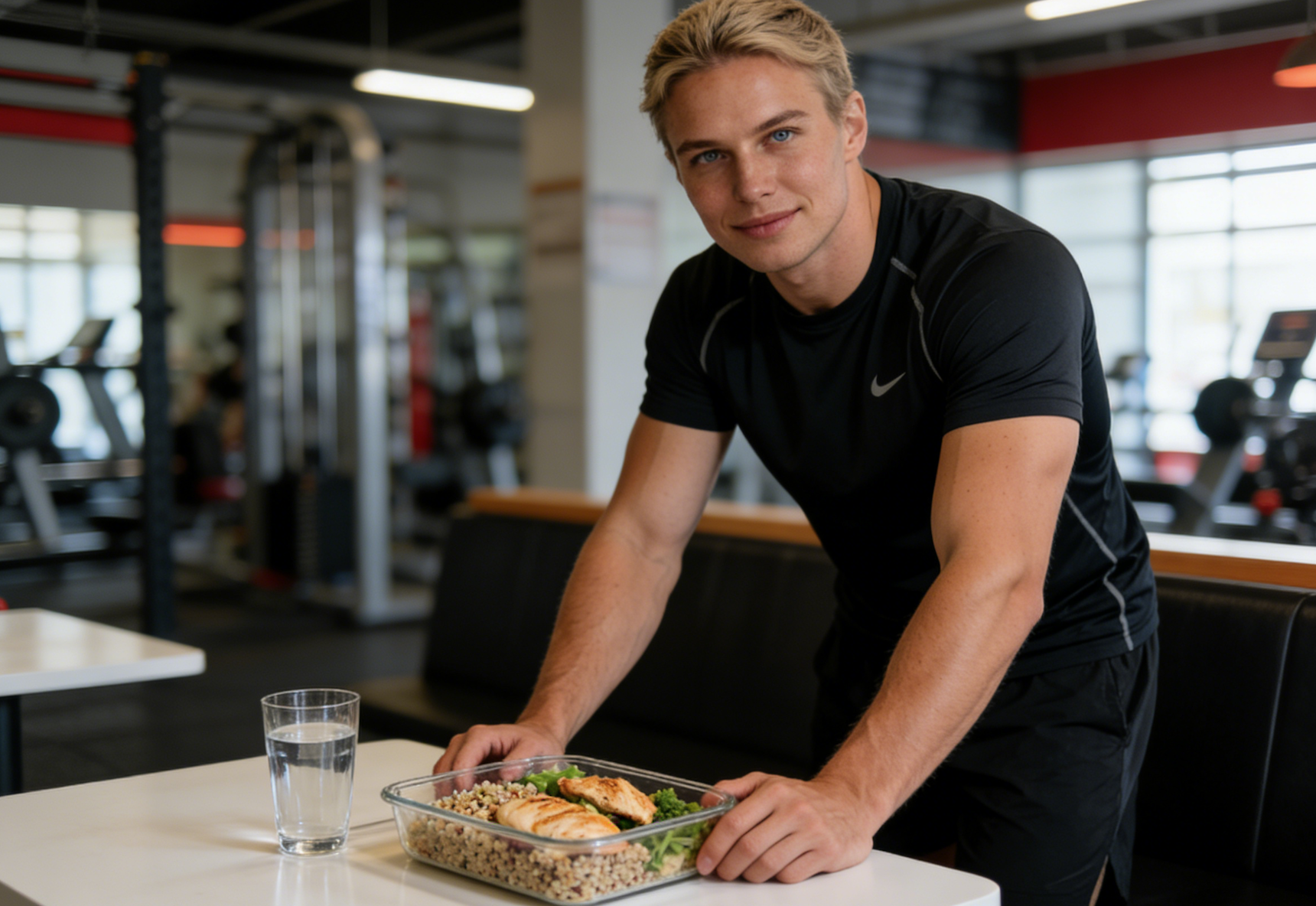
Why is exercise not very effective for weight loss? A scientific analysis of the roles of diet and exercise.
This article explores the true effects of exercise on weight loss, highlighting that high-intensity interval training is more effective than traditional aerobic exercise. A scientific approach to weight loss should prioritize dietary adjustments, combined with appropriate exercise, to achieve healthy and sustainable weight loss and avoid the inefficiency and frustration caused by indiscriminate exercise.
2026-02-27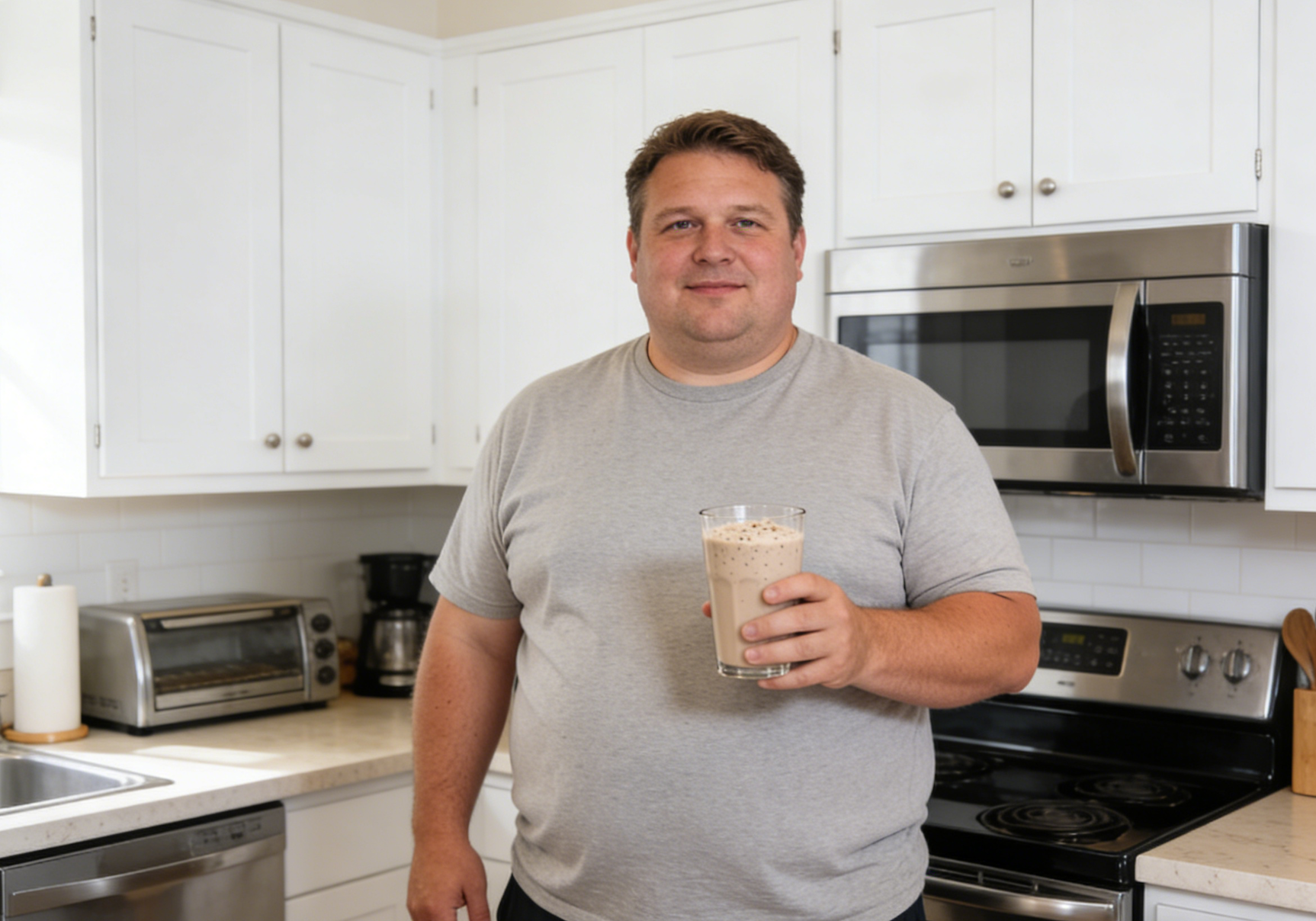
Can meal replacements and weight-loss pills really help you lose weight? Be aware of the side effects and the risk of weight regain.
This article provides an in-depth analysis of the actual effects of meal replacement products and weight-loss drugs, pointing out that their extremely low calorie content can lead to malnutrition and metabolic damage, and that weight regain is highly likely after discontinuing their use. Drug-based weight loss often carries health risks and is not a safe or effective long-term weight loss solution. For healthy weight loss, it is advisable to avoid relying on such products.
2026-02-27
The key to successful weight loss lies in maintaining it long-term, not in achieving rapid weight loss in the short term.
This article emphasizes that true weight loss success is not about short-term weight reduction, but about finding sustainable methods to maintain results in the long term. Many rapid weight loss methods easily lead to weight regain; scientific weight loss should focus on dietary adjustments and lifestyle changes to achieve lasting and effective weight management.
2026-02-27