
Abdominal skin and fat removal surgery: How do three surgical techniques achieve localized body shaping and weight loss?
Skin and Fat Removal Surgery:
When excessive fat accumulates in obese patients in areas such as the abdomen, buttocks, inner and outer thighs, and inner upper arms, causing localized skin and fat laxity, skin and fat removal surgery or a combination of liposuction and skin and fat removal can be considered for weight loss treatment. By removing localized sagging skin and fat, or simultaneously tightening deep fascia tissue, excessive local bulging can be corrected, and the inconvenience caused by obesity in work and daily life can be alleviated.
Abdominal Wall Skin and Fat Removal Surgery Procedures:
1. Transverse Incision Method: This method involves making an incision in the left-right direction of the abdomen to remove excess fat and skin. This method was first used by Kelly in 1889 as a transverse fusiform resection of abdominal skin and fat centered on the umbilicus for cases of excessive abdominal wall fat. Later, longitudinal incision and mixed incision methods emerged. Transverse incision methods include transverse resection of upper and lower abdominal skin and fat through the umbilicus, or a low transverse incision method, with or without the umbilicus. Currently, various low transverse incisions are commonly used, with the Baroudie-designed "W"-shaped low transverse incision being the most frequently employed.
2. Longitudinal Incision: This method involves making an incision along the vertical direction of the abdomen to remove excess fat and skin. The incision can be made centrally or on either side of the umbilicus. The longitudinal incision is primarily used to improve postpartum abdominal wall laxity and stretch marks, or for obese patients with longitudinal abdominal scars. Its advantages include a large excision area, good blood supply preservation, high flap survival rate, and low risk of flap necrosis; it can also improve the waistline and has a significant effect on postpartum plastic surgery. The disadvantage is a noticeable longitudinal abdominal scar postoperatively.
3. Mixed Incision: This method combines transverse and longitudinal incisions to remove excess fat and skin. Specifically, depending on the degree of abdominal obesity, methods such as the "+" incision or the inverted "T" incision can be used. The mixed incision method can remove good skin and fat along either the transverse or longitudinal direction. However, it is prone to complications such as necrosis of the flap tip and scarring after surgery, and is therefore rarely used at present.
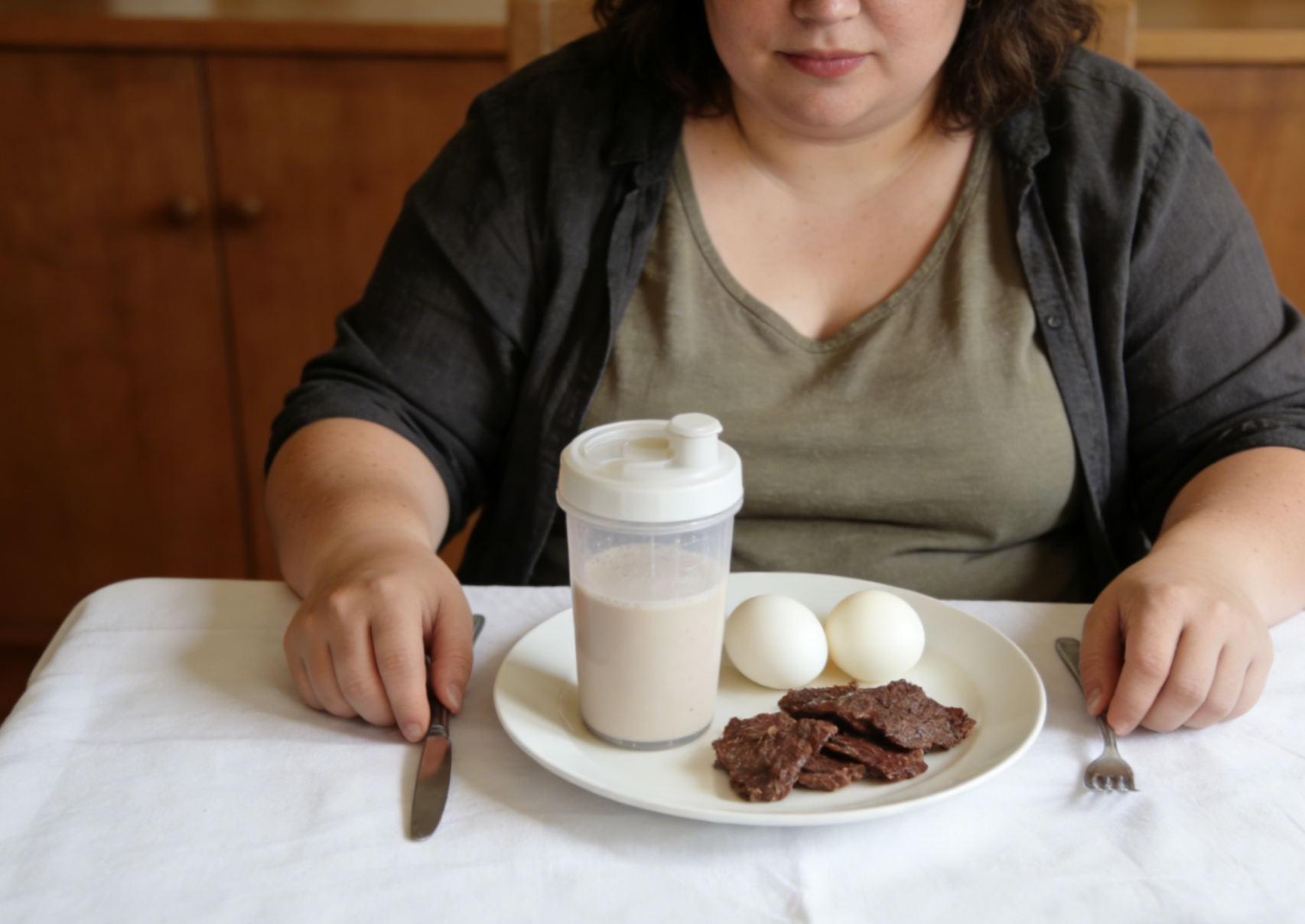
Recommended high-quality protein foods for weight loss: A comprehensive guide to eggs, meat, and seafood.
This article recommends high-quality protein foods such as eggs, meat, seafood, and dairy products, and provides a detailed analysis of their important role during weight loss. Adequate protein intake helps maintain muscle mass and boost metabolism, which is crucial for healthy weight loss, promoting efficient fat reduction and nutritional balance.
2026-02-28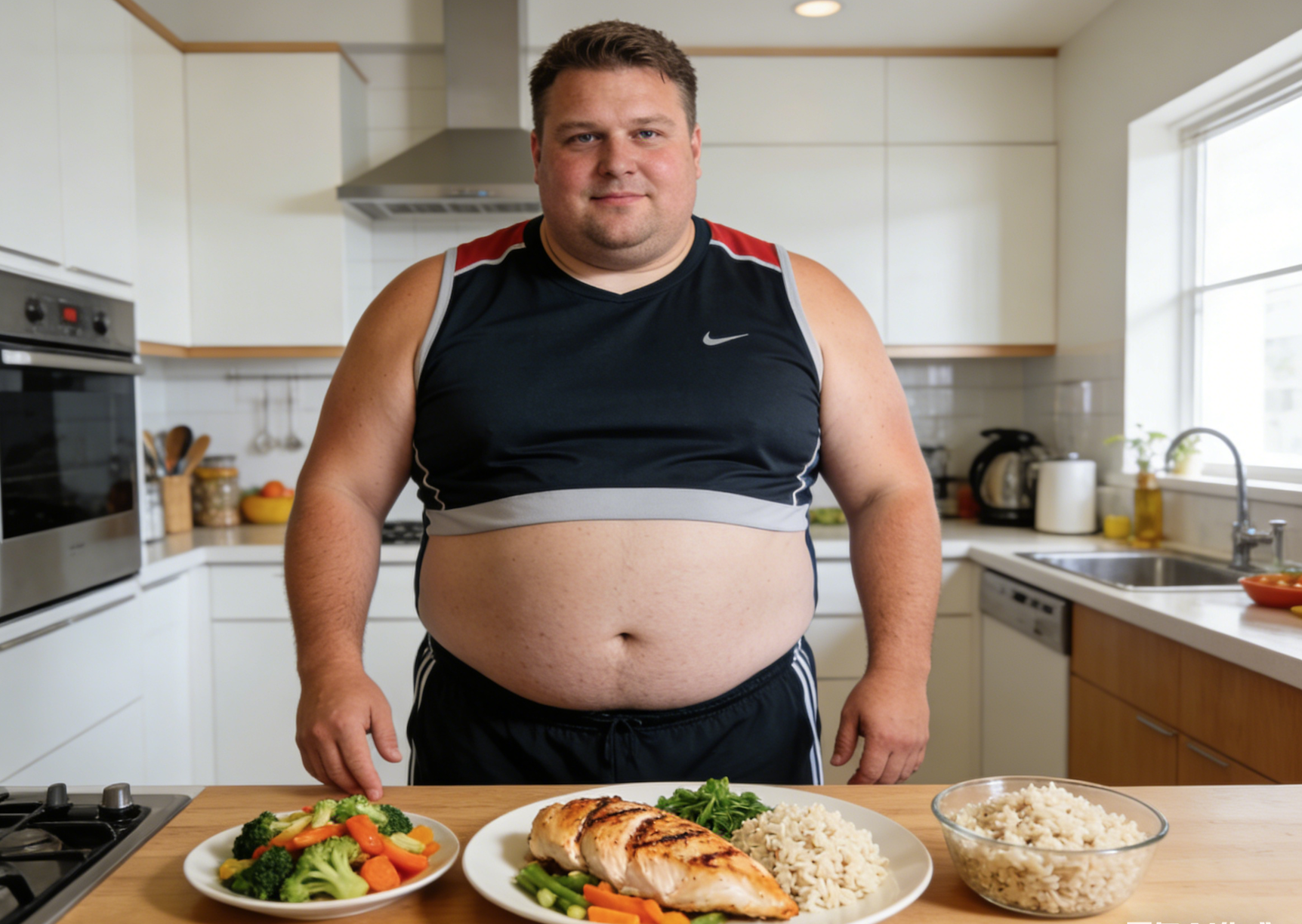
Scientific Weight Loss: A Re-evaluation of the Health Benefits and Guidelines for Choosing Dietary Fats
This article re-examines the role of dietary fat in weight loss, analyzing the differences between saturated and unsaturated fatty acids and their health benefits. Choosing high-quality dietary fats can not only boost metabolism but also help achieve healthier weight loss, dispelling the common misconception that "fat makes you fat."
2026-03-02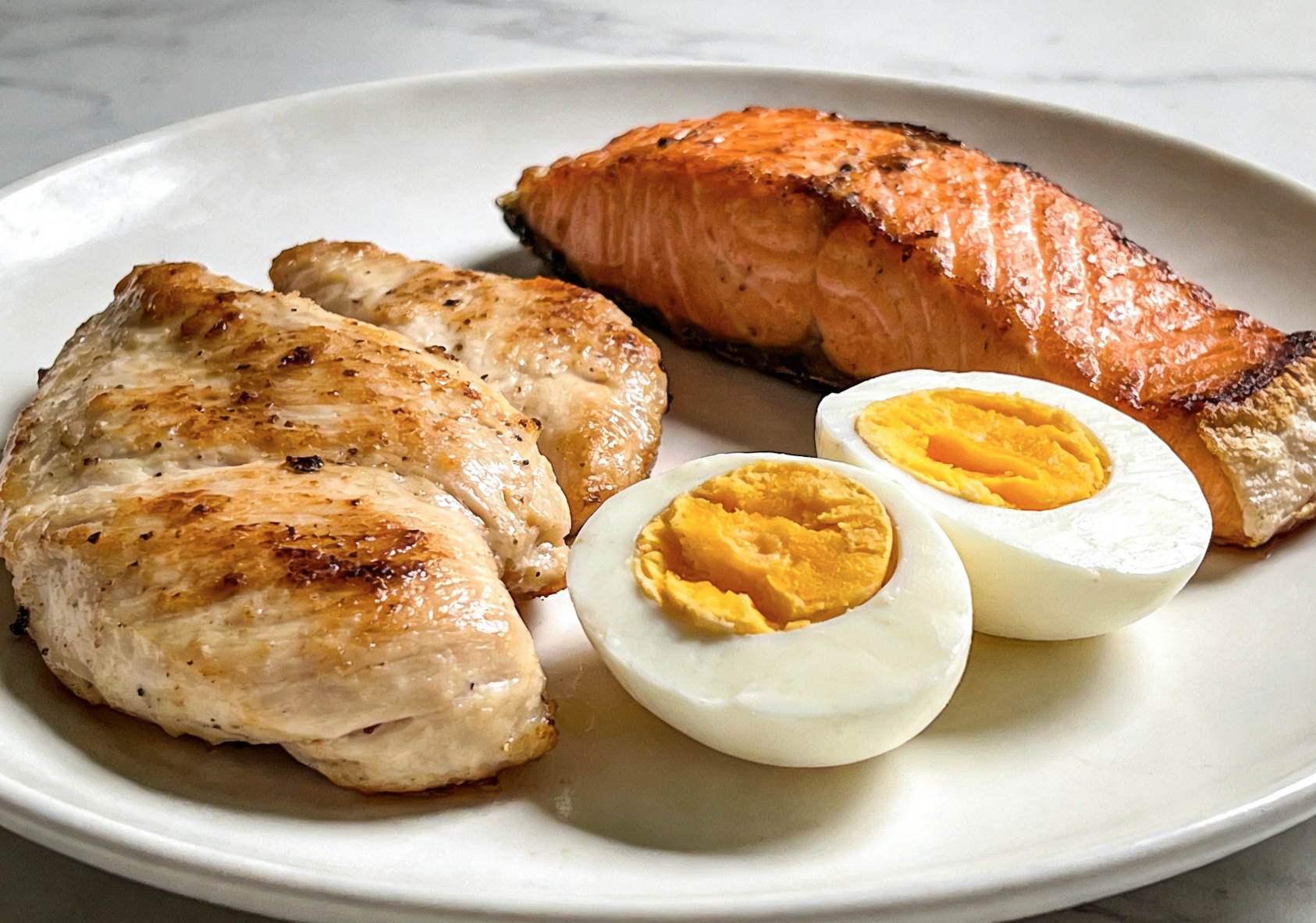
How do omega-3 fatty acids aid in weight loss? A scientific analysis of good fats for fat reduction.
This article provides a detailed analysis of how omega-3 fatty acids effectively aid weight loss by inhibiting inflammation and promoting metabolism. Understanding their rich sources in fish and nuts, and mastering scientific cooking methods, can help you better utilize this "weight-loss oil," optimize your weight-loss diet, and achieve healthy fat reduction and overall health improvement.
2026-03-02