
Abandon Extreme Dieting and Adopt a Healthy, Non-Dieting Fat Reduction Plan
"I'm not a dieter," says Dr. Franca Alfian, director of nutrition at the Center for Dietetics and Health at Duke University in Delham, North Carolina. She's a Seattle-based clinical psychologist and weight management consultant, and author of *Away from Obesity: Successful Weight Loss*. The result is that you rebel against the grain, overeating what you should have eaten less of—so-called "bad things." "If you're planning to diet tomorrow, you might have to fill yourself up tonight," says Dr. Olson. This overeating makes you consume more food than you would in a normal, un-dieted state, and causes your body to store more fat—something that wouldn't happen if you distributed the same amount of calories evenly throughout the day," says Waterhouse. "Calories that the body can't burn within a few hours will turn into fat," she says.
5. Dieting is unsustainable. To achieve and maintain weight loss, you need to change your eating and exercise habits for life. But the concept of dieting itself only implies temporary deprivation. Therefore, although you may lose a few pounds, the weight will return once you resume your normal eating habits. "A method that can't be sustained is an ineffective method. Sustainability is paramount," says Francis Berg, a registered dietitian, associate professor of medicine and health at Bedacouan University, and author of *The Health Risks of Weight Loss*.
Dieting not only hinders your weight loss plan but also affects your health. Restricting appetite triggers stress and anxiety. Dieting can impair your mental sharpness. For example, you may become slow at calculations, forgetful, and unresponsive. Even the slightest calorie restriction can lead to vitamin deficiencies, causing fatigue. Rapid weight loss can even leave you feeling unsettled.
A Non-Dieting Approach to Overcoming Obesity
While dieting may not work, don't despair. By abandoning dieting, you can embark on a more convenient and effective approach to weight loss. Unlike drastic dieting programs, the "Conquer Fat" program helps you subtly and effectively combat fat cells and reduce appetite for life. It also helps you learn to use food, exercise, and even your ingenuity to make your body burn more fat and calories in three ways:
1. Rest-based weight loss. The rate at which your body burns calories to perform daily activities like breathing, swallowing, and blood circulation is called your Basal Melabolic Rate (BMR). BMR slows down with age. The "Conquer Fat" program provides numerous ways to enhance this vital calorie-burning function (system).
2. Exercise-based weight loss. Even minor movements, such as climbing stairs, braking, or even bending over to pick up a piece of clothing, burn calories every time you use your muscles, exceeding your normal metabolic rate. The "Conquer Fat" program offers effective exercises that can be easily integrated into your busy daily routine.
3. Weight loss through digestion. Yes, burning calories is simply about digesting food, and some foods burn more calories than others. The "Fight Against Obesity" plan provides these types of foods.
Here you'll also find some mental strategies to help you stick to this "Fight Against Obesity" plan for life, ensuring successful weight loss and preventing rebound. According to the latest research, this plan mainly involves six basic principles of weight loss. These six principles run throughout this book.
Eat What You Want
Women can put labels on their cars that say "Eat What You Want," says Dr. Olson. Women pay particular attention to the "good" and "bad" of food, which actually affects their weight loss results, she says. Overly focusing on so-called "good" and "bad" foods makes us crave "bad" things. Therefore, in our "Fight Against Obesity" plan, there are no so-called "bad" foods. Of course, you will need to reduce your fat intake, but you don't have to give up your favorite foods. Conquering obesity actually requires you to add your favorite oily foods to your diet while cutting back on the fat content of those high-fat foods you don't usually pay much attention to.
Eat More Frequent Meals
Unlike other weight loss methods, this plan encourages you to eat more, not less. "Eating more frequent meals helps your metabolism," says Dr. Patricia Wollman, associate professor of human nutrition and chair of the Department of Human Nutrition at Winthrop University in Rock Hale, South Carolina. "If you eat regularly, three meals a day, you're less likely to overeat due to hunger." In our "Conquering Obesity" plan, you'll need to eat breakfast, lunch, dinner, snacks, and even dessert.
Effortless Exercise, Successful Weight Loss
The body needs movement, but excessive exercise can also lead to weight gain. Overexertion depletes the body's chromium levels, which are used to balance blood sugar. A lack of chromium increases insulin levels, causing feelings of hunger. Meanwhile, excessive exercise can be uncomfortable. You might be able to exercise for a while, but you'll eventually give up, just like giving up on dieting. But how can we burn excess calories if we're sitting still? This "Conquer Obesity" plan requires you to design a very comfortable exercise routine and plan. Its comfort level will leave you with no excuse not to exercise. It's simple, as simple as being able to stand up and walk for 10 minutes.
Try weightlifting. 50% to 90% of the calories in your body are burned by muscles. Weightlifting can strengthen muscles, thereby speeding up metabolism. Of course, you don't need to spend time every day at the gym sweating alongside a bunch of muscular men. The "Conquer Obesity" plan provides you with a weightlifting workout, requiring only dumbbells at home, and spending no more than an hour a week.

How does matcha help with weight loss? A scientific analysis of its antioxidant and fat-burning effects.
Matcha is rich in antioxidants and can effectively increase satiety and promote fat loss, making it an ideal healthy beverage for weight management. Choosing organic matcha powder avoids added sugar and additives, helping you better manage your weight. Drinking matcha in moderation not only aids in weight loss but also enhances focus, addressing both health and weight management needs.
2026-03-05
Can dark chocolate really help with weight loss? A scientific analysis of cocoa's anti-aging benefits.
This article reveals how true high-cocoa dark chocolate can aid weight loss, thanks to its abundance of antioxidants that help combat aging and boost metabolism. Learning to identify the sugar traps in commercially available products and choosing dark chocolate with over 85% cocoa content is key to achieving healthy weight loss while still enjoying delicious treats.
2026-03-05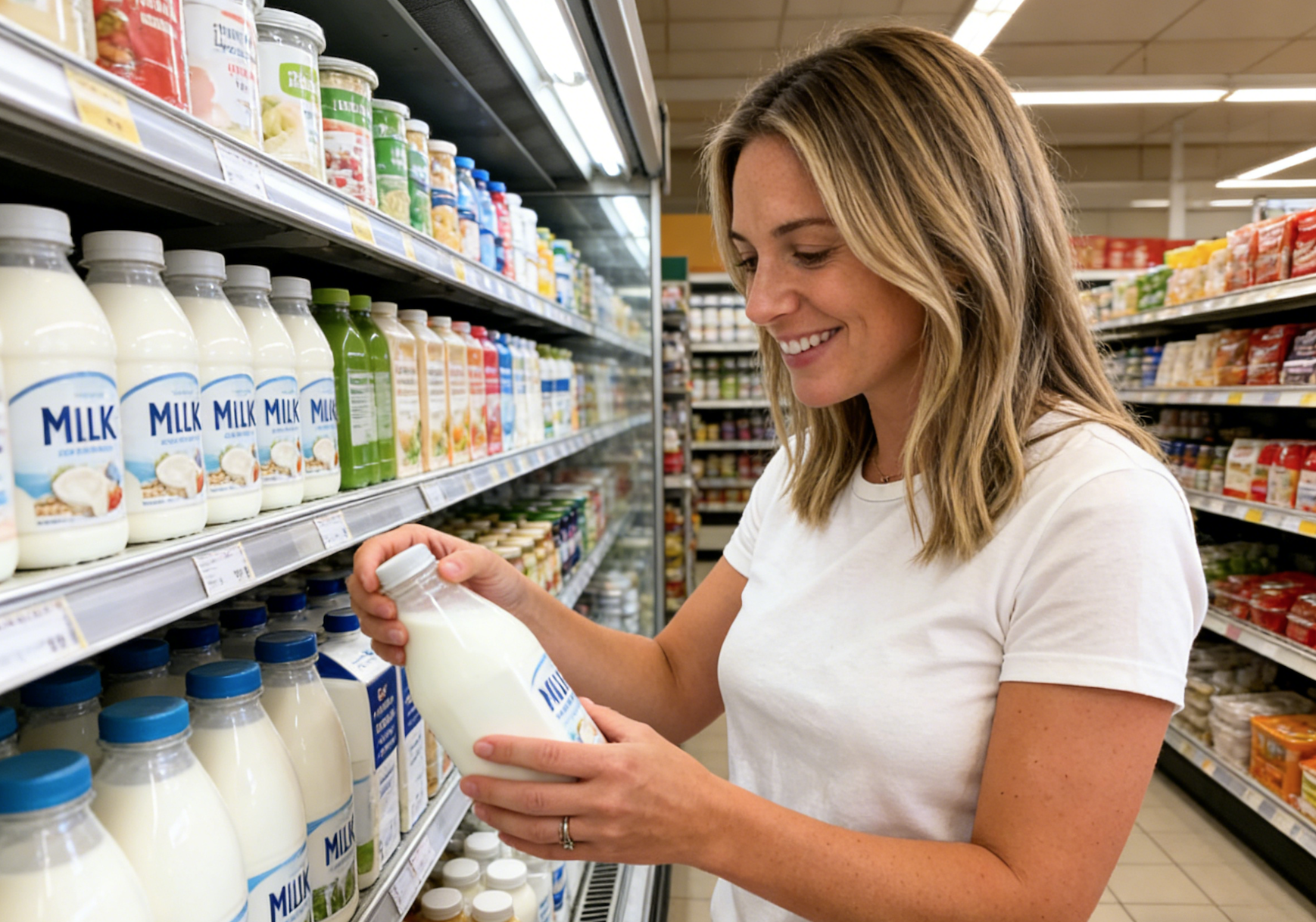
Whole milk vs. low-fat milk: Which is better for healthy weight loss?
This article analyzes the differences between whole milk and low-fat milk during weight loss, pointing out that low-fat milk may lose nutrients during the fat removal process and often contains added sugar, while whole milk, although nutritionally complete, has a higher lactose content. Understanding these differences can help people trying to lose weight make informed choices about dairy products and avoid negatively impacting their weight loss efforts and overall health.
2026-03-05