
The biggest misconception about weight loss: avoiding meat? A complete analysis of protein intake.
The biggest misconception about weight loss is being afraid to eat meat.
The biggest problem with long-term weight loss diets that only consist of vegetables is the lack of protein intake. Protein is a vital component of human tissue. Our skin, bones, internal organs, blood vessels, hormones, and hair are all made of protein. At the same time, protein also has multiple functions, including promoting metabolism, transporting oxygen and nutrients, boosting immunity, and regulating the body's pH balance. Protein is also known as the "building block of life."
However, modern diets, which are often high in carbohydrates, and repeated attempts at unhealthy weight loss methods, have made protein deficiency a common problem. If protein intake is insufficient, the body will send signals, such as increased appetite, larger meal portions, poor sleep quality, weakened immunity, and increased susceptibility to illness.
Protein deficiency is also one of the culprits behind aging and skin problems. Women who lack protein may experience dry and rough skin, wrinkles, a dull complexion, and hair loss.
Protein is crucial for weight loss. Protein deficiency leads to muscle loss, lowers the basal metabolic rate, affects the normal functioning of the liver, and ultimately creates a body type that is more prone to weight gain. Eating meat provides sufficient protein, which has a significant benefit: it greatly reduces hunger. This is because protein effectively reduces hunger hormones and increases satiety hormones, thereby suppressing excessive appetite, allowing you to eat less naturally and lose weight easily without suffering from hunger.
In addition to reducing appetite, protein also has the function of burning calories. The thermic effect of food for protein is the highest among the three macronutrients. This means that when you eat protein-rich foods, your body expends the most calories through chewing, swallowing, and digestion. Furthermore, protein can also increase the basal metabolic rate by helping to repair muscle tissue.
For weight loss, it's essential to eat meat and consume sufficient protein. This will stimulate the body to activate the "switch" for fat breakdown, promoting fat burning and turning you into a "fat-burning machine." Therefore, reducing carbohydrate intake and increasing protein intake is the "key" to controlling the fat-burning "switch."
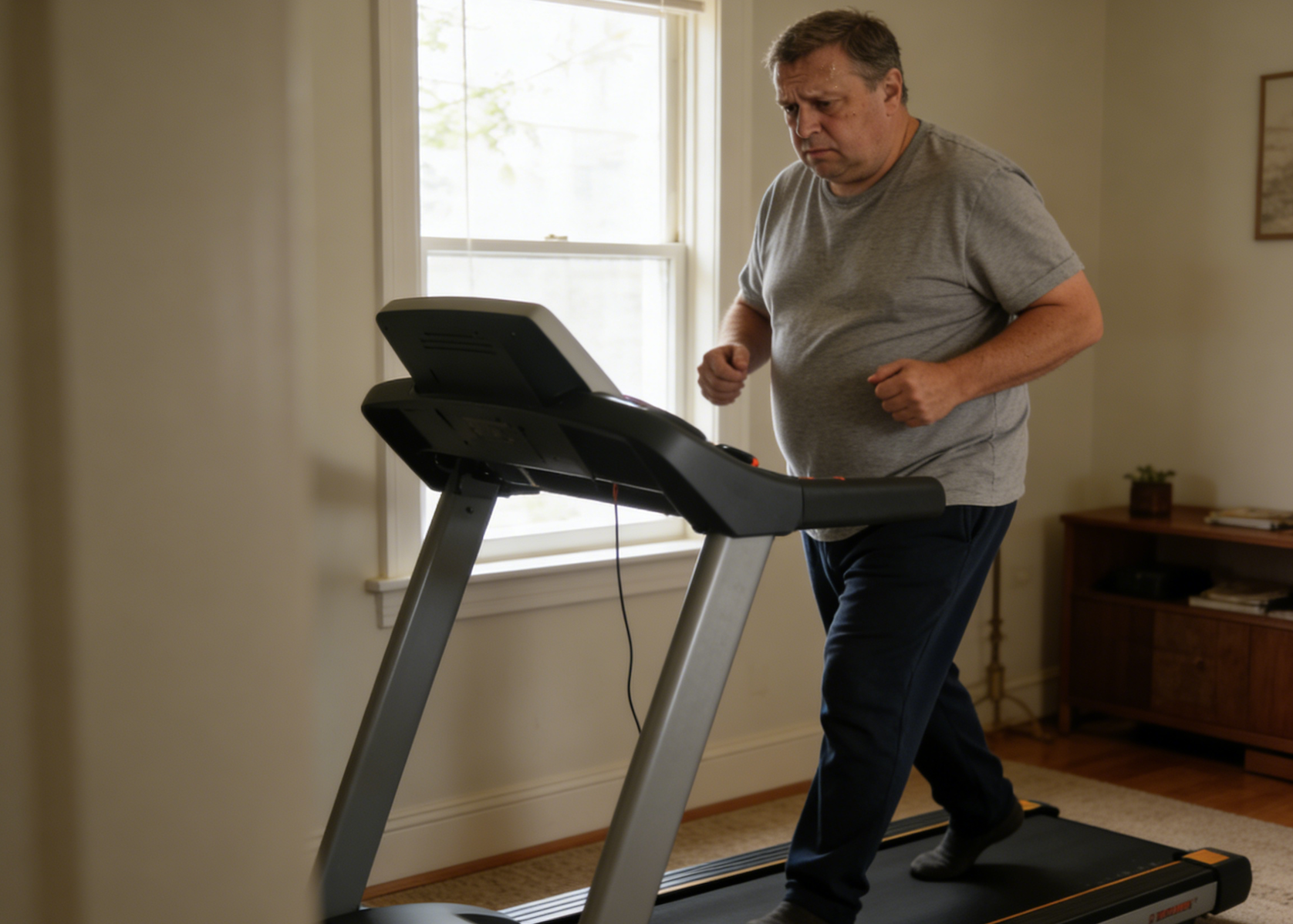
Scientific weight loss: effectively reduces the risk of obesity, high blood pressure, and coronary heart disease.
This article introduces treatment methods for obesity-related hypertension, such as diet control and exercise to achieve weight loss. It also analyzes how obesity increases the risk of coronary heart disease, emphasizing the importance of weight loss for cardiovascular health. Scientific weight management can effectively improve blood pressure and prevent coronary heart disease.
2026-03-17
Is obesity an independent risk factor for coronary heart disease? Can scientific weight loss reduce the incidence rate?
This article explains that obesity is not only an independent risk factor for coronary heart disease, but also indirectly increases the risk by raising blood pressure and blood lipids. Epidemiological studies have shown a positive correlation between weight gain and the incidence of cardiovascular disease. Scientific weight loss starting in adolescence is of great significance for the prevention of coronary heart disease.
2026-03-17How can scientific weight loss prevent obesity-related coronary heart disease? Key measures explained.
This article explores the prevention and treatment of obesity-related coronary heart disease, emphasizing that scientific weight loss is a core measure to reduce risk. Through comprehensive interventions such as diet control and increased exercise, heart health can be effectively protected, and safe weight loss goals can be achieved.
2026-03-17