
Can metformin really help with weight loss? A scientific analysis and important considerations for its use.
Other Medications with Weight-Loss Effects
In recent years, another "miracle drug" called metformin has come into the spotlight.
Why is it called a miracle drug? Metformin was initially only a first-line treatment for diabetes, but many studies in the past five years have found that, in addition to treating diabetes, it can also help with weight loss, and it even seems to prevent tumors and have anti-aging effects. Therefore, it suddenly became a popular choice for many people, especially those trying to lose weight.
However, as a doctor, I must urge you to be cautious.
The weight-loss effect of metformin stems from a study on its blood sugar-lowering effects. At that time, researchers administered metformin and another blood sugar-lowering drug to two groups of diabetic patients. The results showed that the group using metformin lost an average of 3.8 kilograms during the study period.
Since then, studies on the weight-loss effects of metformin have been conducted. Unfortunately, most experiments have failed to replicate such a significant effect. Especially when metformin is used in non-diabetic patients, its weight-loss effect is even weaker. Currently, the best weight-loss effect we can observe from metformin comes from a study called the Diabetes Prevention Program – over two years, the metformin group lost an average of 2.1 kilograms, which averages to 1 kilogram per year.
Therefore, for obese patients with hyperglycemia or diabetes, metformin is definitely the first choice. Because it not only has a certain weight-loss effect, but it can also prevent hyperglycemia from developing into diabetes and lower blood sugar levels in diabetic patients.
However, for a normal person, instead of taking metformin three times a day and only losing 2.1 kilograms in two years, it's more worthwhile to get a good night's sleep and eat less at dinner.
Precautions for Using Weight-Loss Medications
If your BMI is greater than or equal to 27 and you have at least one obesity-related comorbidity, such as type 2 diabetes, hypertension, or hyperlipidemia, or if you don't have any comorbidities but your BMI is greater than or equal to 30, then you can consider drug treatment after lifestyle interventions for weight loss have proven ineffective. Because at this point, the harm to the body from obesity and its complications far outweighs the side effects of weight-loss medications. When taking weight-loss medication, it's crucial to remember the following:
First, all drug-based weight loss treatments are long-term solutions. Whether it's orlistat, metformin, or the currently most effective GLP-1 receptor agonists, they all require long-term use. If you're hoping to quickly reach your ideal weight with medication and then maintain it through self-discipline, I advise you to give up on that idea. Studies show that this short-term approach almost always leads to weight regain.
Second, while taking weight-loss medication, you must manage your diet, exercise, and psychological factors to develop a healthy lifestyle. Even after successfully losing weight, you must continue to maintain these healthy habits.
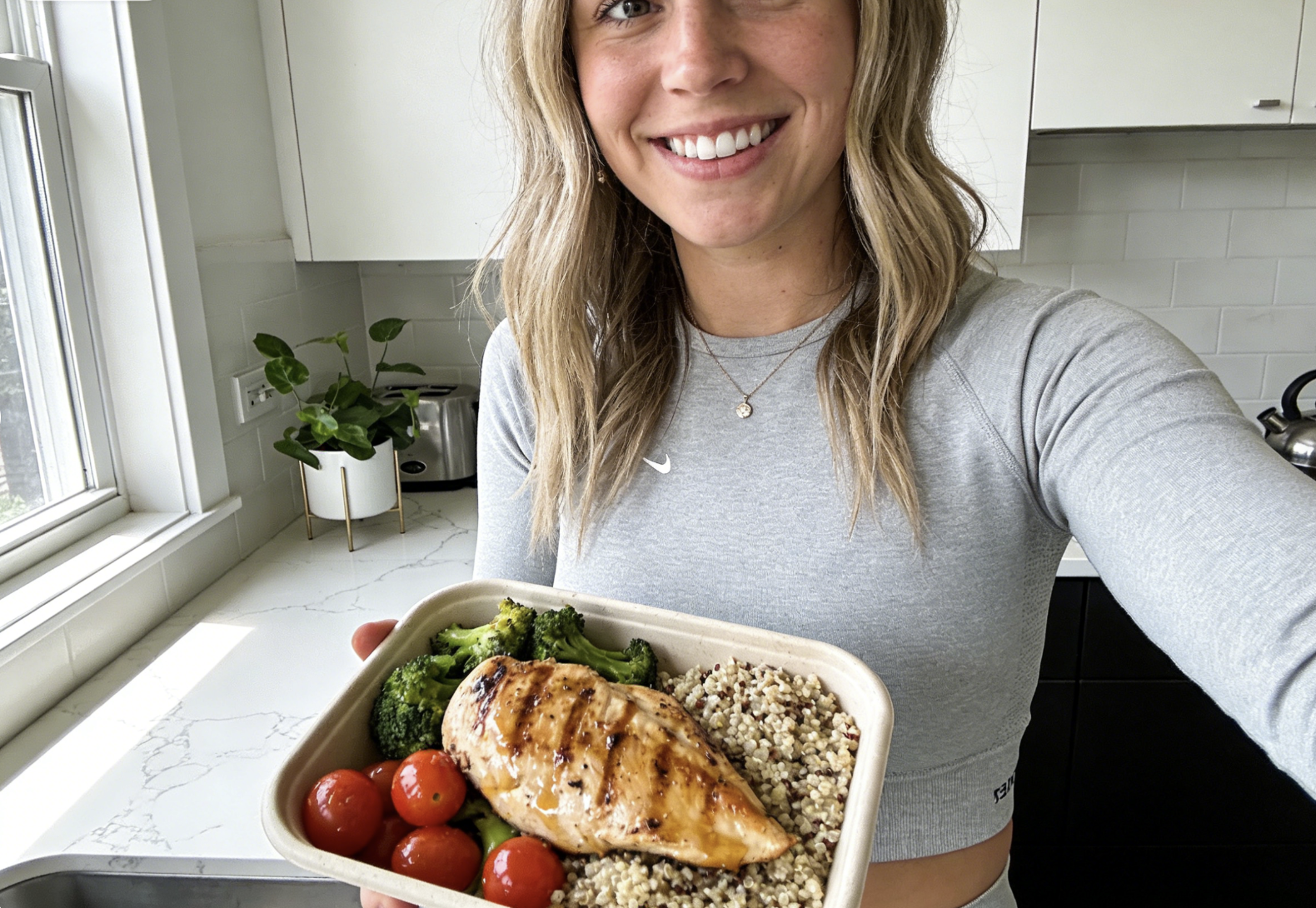
Weight Loss Tip: Let Meals Cool Before Eating to Effortlessly Reduce Calorie Absorption
Allowing meals to cool before consumption during weight loss generates more resistant starch, thereby reducing calorie absorption while preventing scalding of the oesophagus. Mastering this simple technique makes weight loss easier and safer.
2026-03-26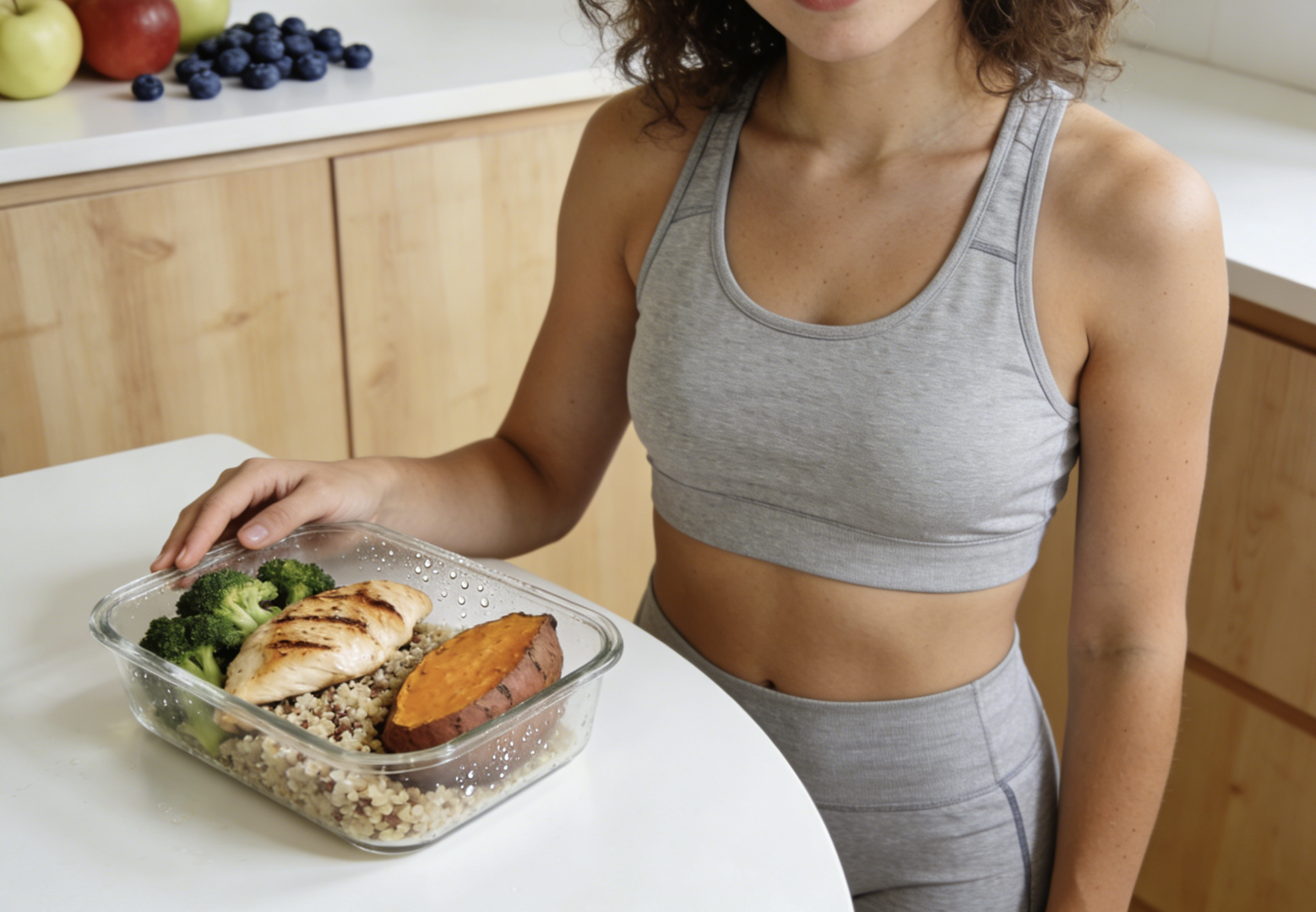
Weight Loss Through Mindful Eating and Social Dining Strategies: A Practical Guide to Eating Techniques
Weight loss achieved through mindful eating effectively reduces food intake. Techniques such as pre-meal preparation, dietary sequencing, and oil-reduction methods during social gatherings enable effortless calorie control, making weight loss easier to sustain without rebound.
2026-03-26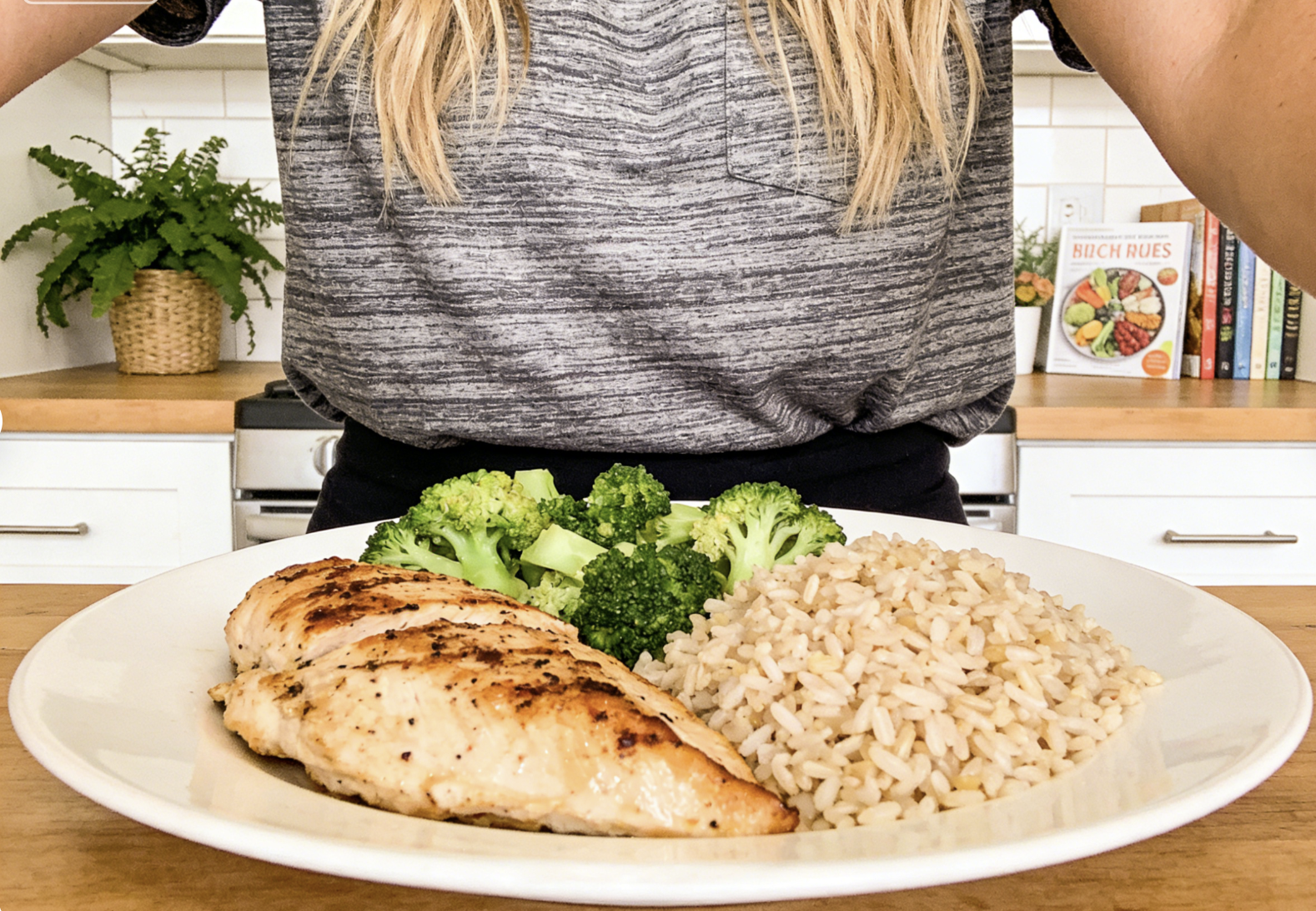
Post-Meal Weight Loss Strategies: Healthy Habits After Eating + Optimal Exercise Timing
Standing, massage, and brisk walking after meals can aid weight loss. Choosing the right exercise times—such as in the morning on an empty stomach—can boost fat-burning efficiency. Mastering these simple methods makes weight loss easier and more effective.
2026-03-26