
Gallstone Treatment Methods Explained: Extracorporeal Shock Wave Lithotripsy, Endoscopy, and Surgery – A Comprehensive Guide
Extracorporeal Shock Wave (ESWL):
ESWL is an effective treatment for gallstones. Gallstones are broken into 2-3 mm particles by extracorporeal shock wave therapy, which are then expelled from the bile duct into the intestinal lumen. ESWL is most effective for small, single stones. For larger or multiple stones, it should be combined with litholysis and endoscopic treatment. The fragmentation rate of gallstones is generally around 98%. The disappearance rate of gallstones after 3 months is around 20%, and after 6 months it is around 50%. About 20% of patients experience recurrence within 2 years. This method can cause adverse reactions such as gallbladder bleeding, edema, subcutaneous hematoma, hematuria, hematochezia, and transient abdominal pain. Complications such as acute cholecystitis and acute pancreatitis can also occur during stone expulsion.
Endoscopic Treatment: Endoscopic treatment involves removing stones by incising the duodenal papilla or using a choledochoscope. This method is widely used clinically. Papilledema stone removal is suitable for common bile duct stones, and is the first choice for common bile duct stones after cholecystectomy. Possible complications include bleeding, perforation, infection, and induction of acute pancreatitis. If the stone cannot be removed, it can lead to complete biliary obstruction, causing suppurative cholangitis and endangering life. Choledochoscopy is mainly used for common bile duct stone removal. It is also used for patients with residual stones in the intrahepatic and extrahepatic bile ducts after T-tube drainage.
Surgical treatment: Cholecystectomy is the only radical treatment for gallstones in clinical practice. Cholecystectomy can cause the following pathophysiological changes: shrinkage of the bile acid pool, increased frequency of bile acid circulation, and reduced bile lithogenicity, while cholesterol secretion remains unchanged. Patients may experience diarrhea.
Surgical methods include abdominal surgery and laparoscopic cholecystectomy. Surgical indications are:
(1) History of acute cholecystitis.
(2) Jaundice during an attack. (3) Secondary liver dysfunction.
(4) Pancreatic dysfunction.
(5) Development of cholecystocardiac syndrome.
Laparoscopic cholecystectomy is only used for patients with simple cholecystolithiasis without adhesions during non-acute exacerbations. Patients with concurrent common bile duct stones can undergo duodenal papilla incision to remove the stones before laparoscopic cholecystectomy.
Post-cholecystectomy syndrome may occur, mainly manifested as recurrence of dyspepsia, upper abdominal fullness or pain accompanied by jaundice, fever, etc. The incidence rate is 25%–40%, half of which are due to organic lesions, including lesions within and outside the bile duct, mainly residual or recurrent stones within the bile duct.
Prognosis: 40% of cholelithiasis patients are asymptomatic; of these, 50% develop symptoms later in the course of the disease, and 20% may develop serious complications such as perforation, suppurative cholangitis, and acute pancreatitis. People over 60 years of age have a higher chance of developing complications, with a mortality rate as high as 15%. Medical treatment is only effective for some cholesterol gallstones, and gallstones are prone to recurrence after treatment is stopped. Approximately 1% of gallstone patients may develop gallbladder cancer.
Gout is a group of diseases caused by long-term purine metabolism disorders due to hereditary or acquired factors, resulting in elevated blood uric acid levels accompanied by tissue damage. Hyperuricemia is a prerequisite for its onset. However, 80% of people with hyperuricemia remain asymptomatic throughout their lives, a condition known as asymptomatic hyperuricemia. Only a small percentage develop clinical gout, characterized by: hyperuricemia, acute and chronic arthritis, tophi, gouty nephropathy, and kidney stones. These manifestations may appear alone or in combination.
Treatment of gout: The principles of gout treatment are to terminate acute attacks and prevent recurrence; correct hyperuricemia; prevent kidney stones and kidney damage; and treat comorbidities.

Beware of the risks of visceral obesity: Scientific weight loss reduces the incidence of chronic diseases.
This article analyzes the close relationship between obesity, especially visceral obesity, and chronic diseases such as cardiovascular disease and type 2 diabetes, elucidating its underlying mechanisms and risks. Understanding these risks is a crucial motivation to begin scientific weight loss. Effective weight loss, particularly reducing visceral fat, can significantly lower the risk of developing these diseases.
2026-03-17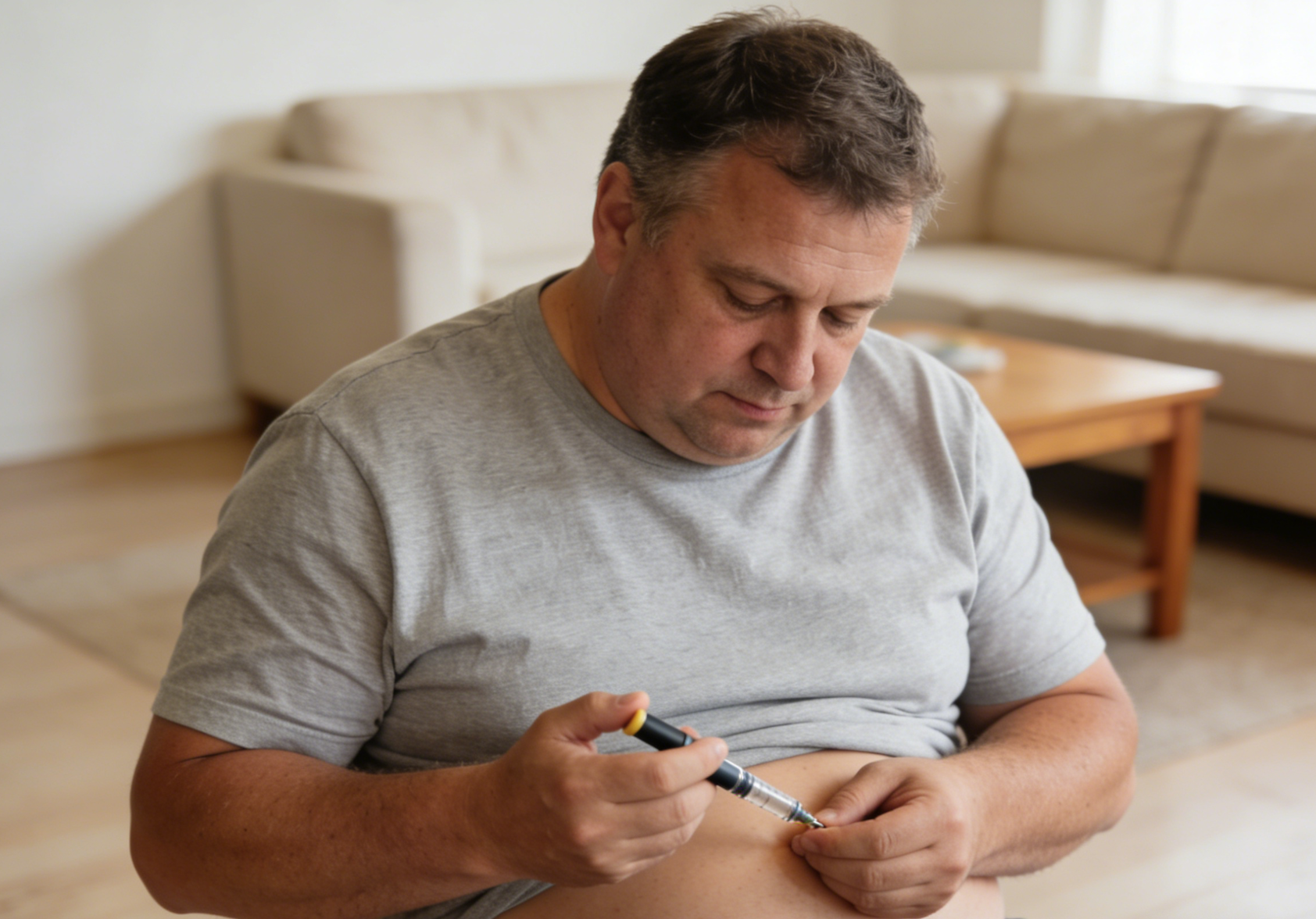
Mechanisms by which obesity leads to type 2 diabetes: Insulin resistance and scientific weight loss
This article delves into the core mechanism by which obesity leads to type 2 diabetes—the vicious cycle of insulin resistance—and explores related genetic factors. Understanding this mechanism is key to scientific weight loss and diabetes prevention. Effective weight loss can improve insulin resistance and significantly reduce the risk of developing type 2 diabetes.
2026-03-17
Is obesity a major risk factor for diabetes? Can scientific weight loss reduce the incidence rate?
This article, based on epidemiological studies, reveals the close link between obesity, especially central obesity, and non-insulin-dependent diabetes mellitus (NIDM). Data shows that individuals with a high BMI have a significantly increased risk of developing the disease. Understanding this risk motivates action, and scientific weight loss can effectively reduce the incidence of diabetes. Weight control is a key measure for achieving healthy weight loss and preventing chronic diseases.
2026-03-17