
How can I adjust my eating habits to make weight loss more effective?
Give Your Diet a "Change of Taste"
Another aspect that needs adjustment is your digestive system's "taste."
This is specifically for women who "can't control their cravings." When dieting, different women have different levels of resistance to food. Some women crave sweets and meat and can't control themselves, while others naturally prefer vegetables and can eat a large bowl of vegetables every day without needing to eat rice. The latter type finds it much easier to lose weight than the former.
A preference for certain foods is related to genetics, taste habits developed in daily life, and constitution. Developing taste habits in daily life isn't particularly difficult. If we consistently eat healthy weight-loss foods every day, over time, we can gradually change some habits.
For example, someone who usually loves meat will inevitably complain about the blandness of their food if forced to eat only vegetables every day, as if the habit is hard to break. On the other hand, when you stop restricting his eating and drinking and let him eat whatever he wants, he will gradually start to eat some vegetables along with meat, otherwise, eating only meat will feel greasy. This is a change in eating habits.
However, there is another situation: some people's digestive systems particularly dislike certain types of food. A typical example is that some people dislike greasy food, not because they dislike the taste, but because their digestive system cannot tolerate it. Eating greasy food causes stomach pain, and over time, this becomes a conditioned reflex, leading to a dislike of greasy food.
Don't think that only greasy foods cause this; in fact, various seemingly easy-to-digest foods can also be disliked by some people. For example, vegetables contain a lot of fiber, which helps with bowel movements. Some people with pre-existing digestive problems are prone to diarrhea after eating too many vegetables, and over time, they also develop a dislike for vegetables.
If someone's digestive system particularly rejects certain diet foods and only likes high-calorie foods, how can you change their digestive system's preference?
First, there are two scenarios. If the stomach's aversion to a certain food is due to illness, then you need to see a doctor for treatment or follow their advice to avoid that food. Don't try to change your stomach's taste on your own. If you're not ill, you can adjust it through dietary habits.
The stomach's capacity is limited; it needs to be "nurtured" rather than "trained." Therefore, changing the stomach's taste shouldn't be done forcefully like changing eating habits, but rather gradually, guiding the stomach slowly. If the stomach dislikes a certain food, put it together with a food it likes, starting with just a small amount, and observe its reaction. If there's no reaction, increase the amount next time. If there's a strong reaction, reduce the amount next time. If there's only slight discomfort, continue eating the same amount each time until the stomach adapts, then gradually increase the amount. Slowly, you can change the stomach's "taste."
This isn't some magical secret formula, but rather a variation of the medical concept of "desensitization therapy." Medical desensitization therapy uses similar methods to change a person's constitution.
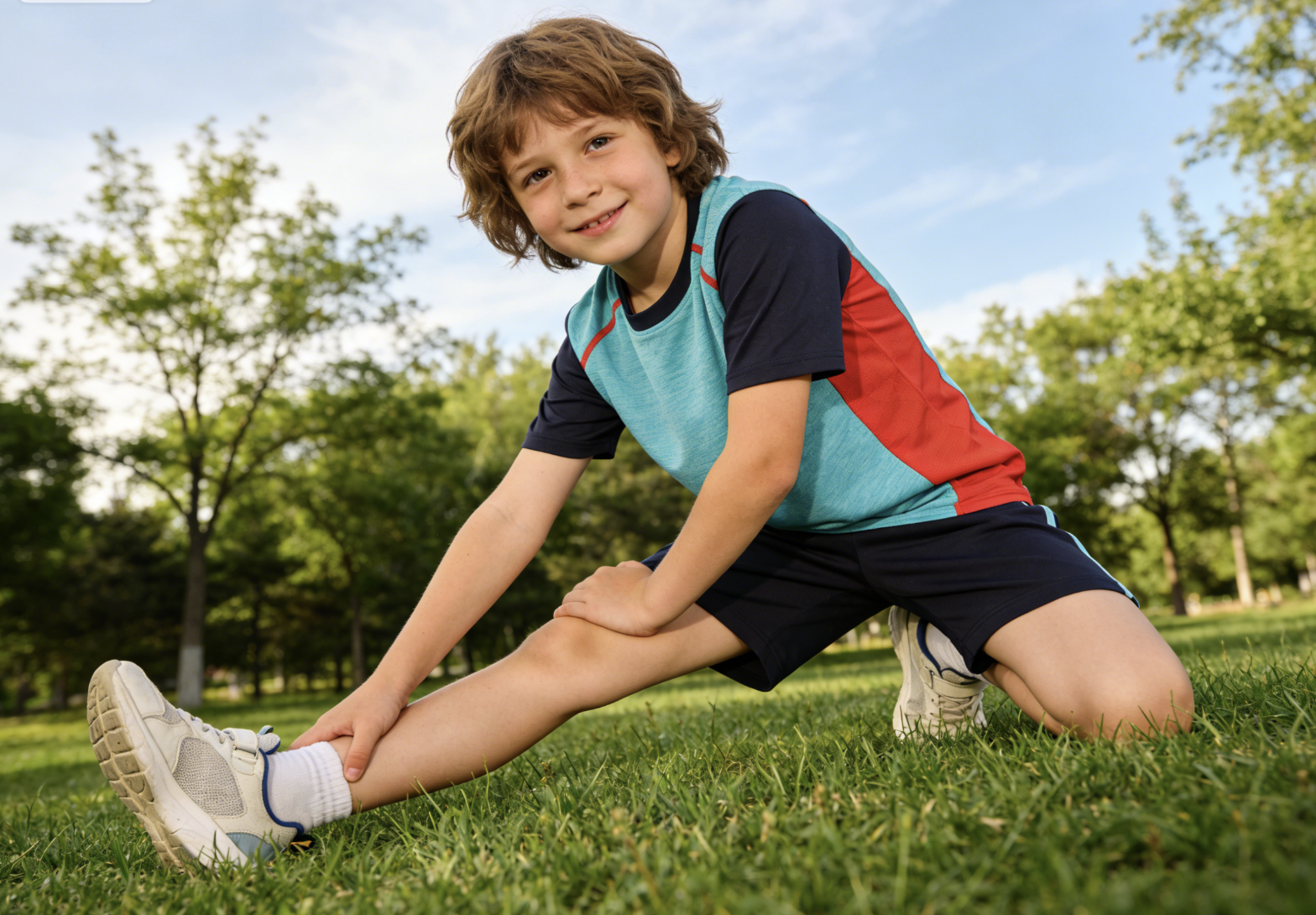
Combining Height Development Patterns with Scientific Exercise and Nutrition
Understanding the factors that influence height, such as genetics, nutrition, and exercise, and using appropriate exercise and diet during the growth stage to aid weight loss, balancing height increase and fat reduction, making weight loss healthier and more scientific.
2026-04-01
Weight Loss: Developing Good Lifestyle Habits to Promote Height Growth and Healthy Fat Reduction
Maintaining correct posture, regular sleep patterns, and scientific exercise, combined with height prediction knowledge, can help with weight loss, balancing physique and health during growth and development, making weight loss safer and more effective.
2026-04-01
Weight Loss: Exercise Promotes Growth Hormone Secretion, Healthy Height Growth and Fat Reduction Simultaneously
Scientific exercise can promote growth hormone secretion and aid bone development. It strengthens the body while helping with weight loss, simultaneously promoting height growth and body shaping, making weight loss healthier and more suitable for teenagers.
2026-04-01