
How does exercise regulate cholesterol metabolism? The link between weight loss and health.
Studies on the effects of exercise on cholesterol metabolism are limited. Results regarding the effects of a single acute exercise session on plasma total cholesterol levels are often inconsistent. Most reports on the effects of long-term exercise on plasma total cholesterol levels have not shown significant changes, although some reports suggest that long-term exercise has a cholesterol-lowering effect. Isotope ¹⁴C studies have observed that muscle exercise promotes the oxidation of cholesterol side chains, primarily in the liver and kidneys. Repeated muscle exercise has also been shown to increase the amount of cholesterol rings appearing in bile. Animal experiments have also shown that exercise in mice reduces cholesterol levels by promoting the transport of peripheral cholesterol to the liver, increasing fecal cholesterol excretion, and accelerating cholesterol transport. Cholesterol exists in plasma in the form of lipoproteins. Cholesterol is present in very small amounts in chylomicrons (CM), only 4%; it is also relatively low in very low-density lipoprotein (VLDL), at 15%; while it is most abundant in low-density lipoprotein (LDL) at 48%, followed by high-density lipoprotein (HDL) at 23%. High-density lipoprotein lipoprotein cholesterol (HDL-C) and low-density lipoprotein cholesterol (LDL-C) are closely related to coronary heart disease and have therefore received considerable attention. HDL-C plays a role in transferring cholesterol from peripheral tissues to the liver, thus earning it the title of an anti-coronary heart disease factor; while LDL-C, conversely, can transfer cholesterol from the liver to peripheral tissues, thus being a risk factor for coronary heart disease.
Studies have reported that athletes in endurance sports (such as football, basketball, volleyball, long-distance running, cycling, and swimming) have higher levels of HDL-C in their serum, as well as higher HDL-C/TC and HDL-C/LDL-C ratios, compared to those in sedentary working individuals. Numerous reports also indicate that a single acute exercise session can increase HDL-C levels, and research results consistently show that long-term exercise training (six months to one year) also increases serum HDL-C levels. However, the effect of exercise on serum HDL-C is correlated with the baseline level before training, with a correlation coefficient of -0.5 (P<0.05). When the baseline HDL-C level is high before training, the likelihood of further increase through training is low. HDL-C can be divided into HDL₂-C and HDL₃-C subcomponents. Exercise mainly increases HDL₂-C. The increase in HDL₂-C is thought to be due to the enhanced catabolism of triglyceride-containing lipoproteins (CM and VLDL), with the breakdown products fusing with immature HDL particles. Muscle exercise increases HDL-C, while also increasing HDL-C/TC and HDL-C/LDL-C, and decreasing LDL-C levels. There are few studies on the effects of single-day exercise or long-term exercise training on LDL-C and VLDL-C. The results are also inconsistent.
Lipoprotein lipase (LPL) is present in plasma CM, VLDL, and skeletal muscle tissue. LPL activity is positively correlated with HDL-C and HDL₂-C. Exercise increases LPL activity, thereby accelerating the breakdown of triglyceride-rich lipoproteins and causing residual cholesterol, phospholipids, and apolipoproteins to be transferred to the liver and bind to newly formed HDL particles, thus increasing HDL levels.
The effect of exercise on lecithin cholesterol aminotransferase (LCAT) remains controversial. LCAT plays an important role in HDL-C synthesis. Based on existing data, the effects of exercise on lipids, lipoproteins, and their acting enzymes are not yet fully understood.
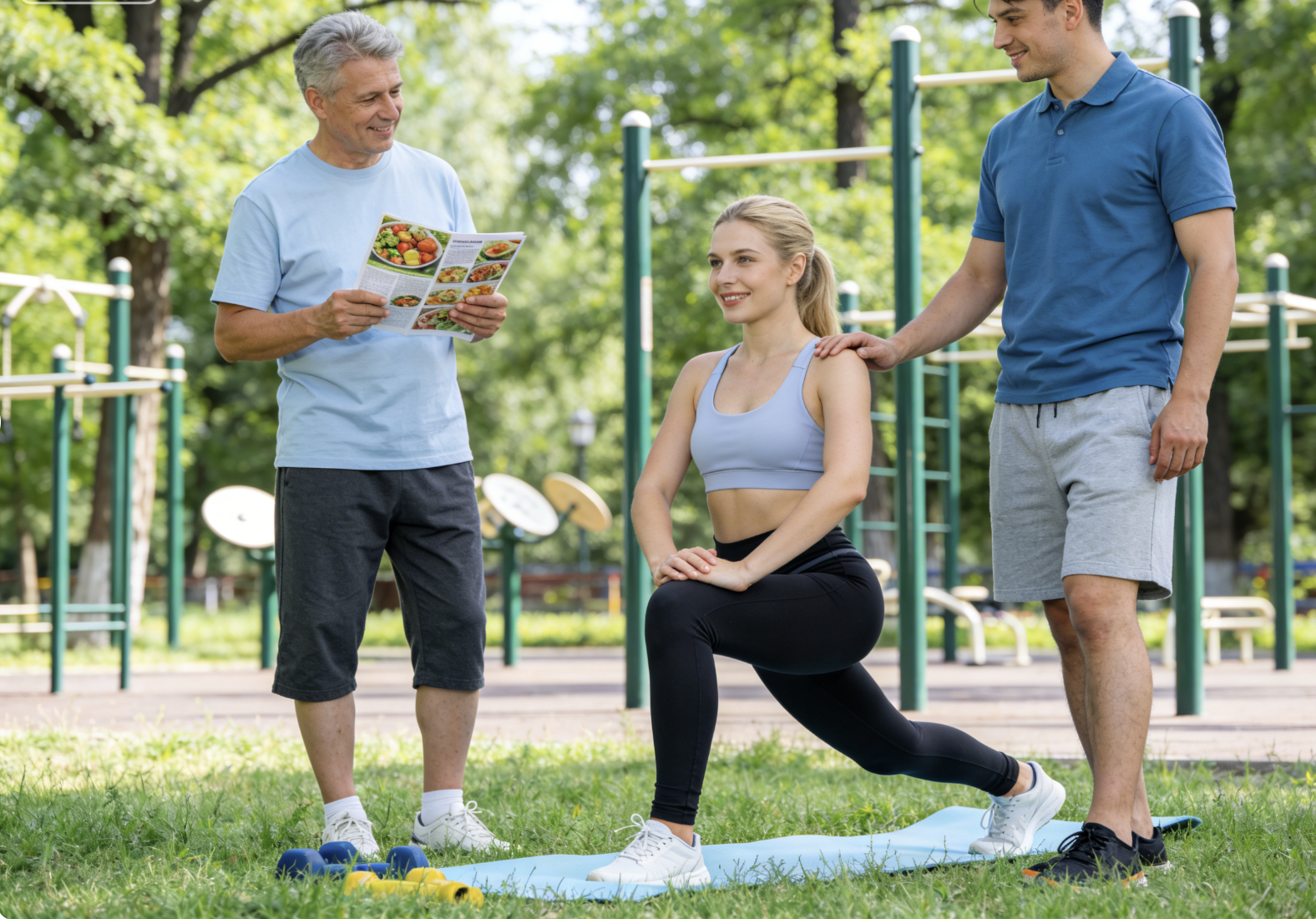
Weight Loss and Belly Slimming: A Guide to Daily Exercise and Regular Sleep
Consistent, simple exercises at home or in the office, combined with sufficient sleep, can effectively aid in weight loss, improve metabolism, reduce abdominal fat, and make weight loss healthier and belly slimming more lasting.
2026-03-27
Weight Loss and Belly Slimming: Walking and Swimming - Highly Effective Fat-Burning and Waist-Slimming Methods
Consistent walking with abdominal contractions and scientific swimming can effectively burn abdominal fat, aiding in weight loss. Combined with correct exercise posture, weight loss becomes easier, effortlessly creating a flat stomach.
2026-03-27
Weight Loss and Belly Slimming: Effective Waist-Slimming Methods of Jump Rope and Belly Dance
Jump rope burns fat quickly, while belly dance precisely slims the waist. Suitable for people with little time to exercise, consistent practice can effectively aid in weight loss. Scientific exercise makes weight loss easier and effortlessly eliminates belly fat.
2026-03-27