
How does gut microbiota affect weight loss? A scientific analysis of the relationship between obesity and probiotics.
The Relationship Between Gut Microbiota and Obesity
Did you know? Our intestines are home to a vast number of gut microbes, more than 10 times the number of human cells! These "little guys" influence every aspect of our bodies, including our thoughts. That's why the gut is sometimes called the "second brain." Thousands of microbes live and thrive in our intestines every day, and they also affect our weight loss efforts.
The two most abundant types of bacteria in the gut are Firmicutes and Bacteroidetes, making up over 90% of gut bacteria. The ratio of these two bacteria determines a person's inflammation levels, degree of obesity, and the likelihood of developing related diseases such as diabetes and coronary atherosclerosis. Firmicutes are "notorious" for being associated with obesity; they are adept at helping the body extract more calories from food. When Firmicutes become the dominant bacteria in the gut, we are more likely to become prone to weight gain. Bacteroidetes, however, do not contribute to this. Therefore, obese individuals tend to have higher levels of Firmicutes, while lean people have more Bacteroidetes in their gut microbiota.
This is one of the reasons why some people struggle to lose weight, while others find it easier to lose weight and maintain a healthy figure. So, what kind of food can help us "build" a better gut microbiota? Fermented foods that provide probiotics are the answer.
Consuming fermented foods is very beneficial for weight loss. In a randomized controlled trial conducted abroad, obese patients were randomly assigned to a group consuming fermented kimchi and a control group consuming vegetables for 4 weeks. The results showed that those who consumed fermented kimchi experienced a significant decrease in body fat percentage, fasting blood glucose, total cholesterol, and body mass index.
During the fermentation process, beneficial probiotics are produced, which help maintain the balance of gut microbiota, improve the gut environment, and enhance immunity. Consuming probiotic-rich foods can also improve the utilization of vitamins A, C, K, and B vitamins in the body.
Therefore, paying attention to gut health and increasing gut probiotics is one of the secrets to achieving better weight loss results.

Holiday Weight Management: The Big-Small Meal Method for Effortless Weight Control Without Rebound
Holiday overindulgence can easily undo weight loss efforts. This article teaches you how to strategically plan meals using the big-small meal method, correctly interpret weight fluctuations, enjoy festive treats with peace of mind, and maintain long-term, stable weight loss.
2026-03-26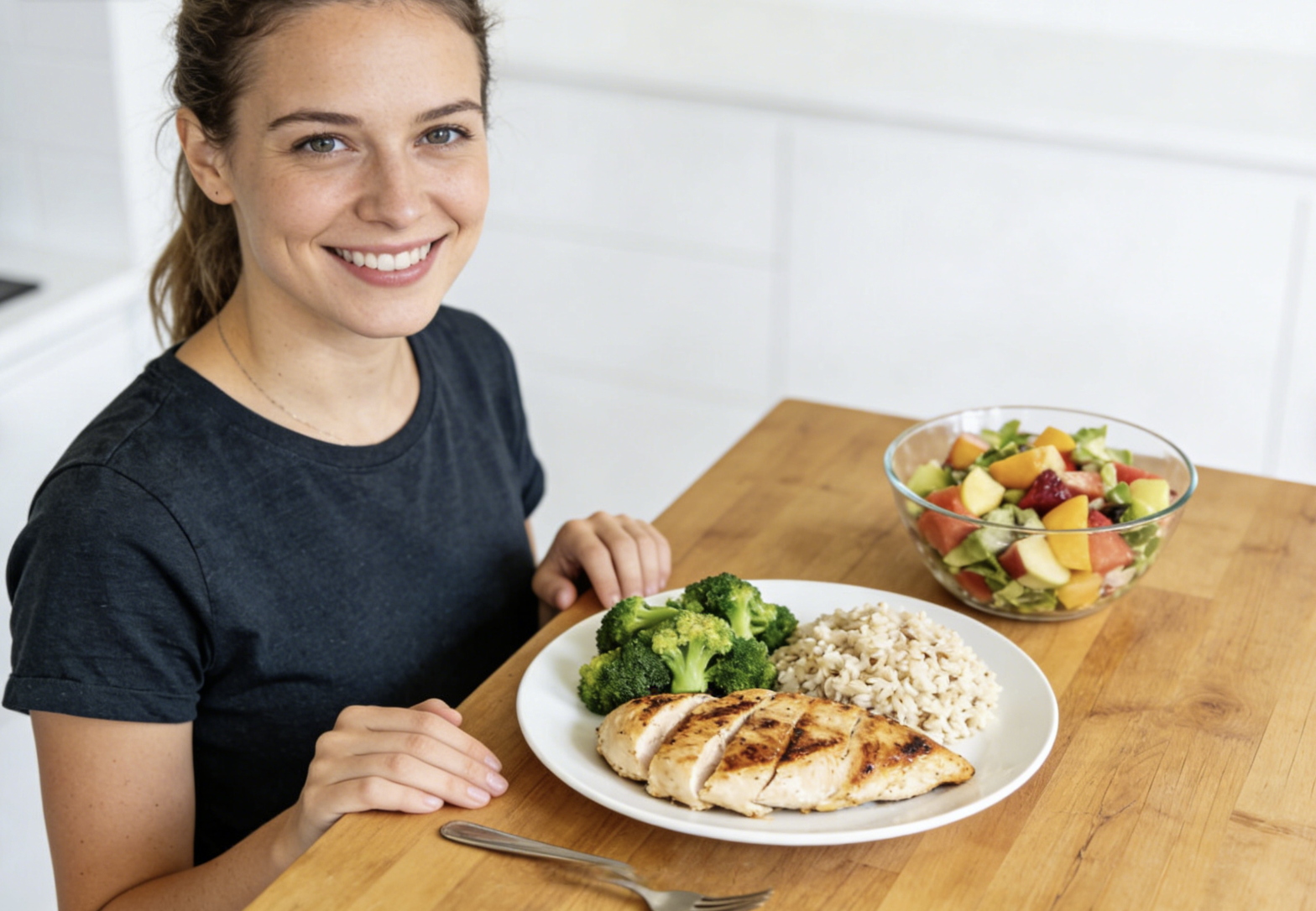
Weight Loss Exercise Guide: Optimal Timing and Long-Term Motivation Strategies
Selecting the right morning, afternoon or evening exercise slot can enhance fat-burning efficiency. This guide teaches you how to establish consistent workout times, cultivate self-motivation and create plans to sustain long-term commitment, enabling efficient and safe weight loss.
2026-03-26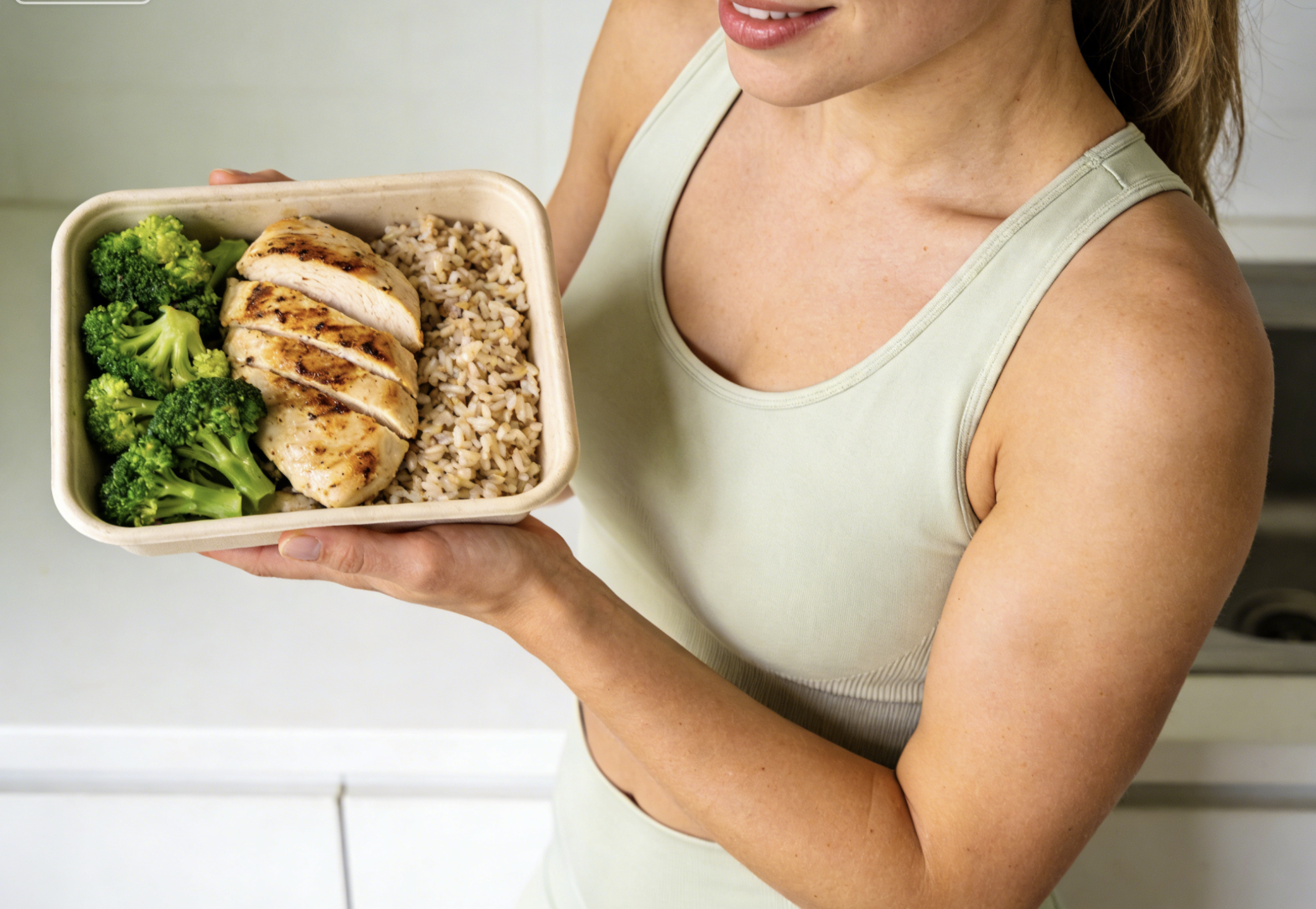
Weight Loss and Fitness Tips: Use a Mirror to Perfect Your Form and Boost Training Results
Using a mirror during weight loss and fitness training helps correct posture, prevent muscle asymmetry, and motivate you to complete extra sets. This enhances training efficiency, making weight loss safer, more effective, and easier to sustain.
2026-03-26