
Weight Loss and Fitness Tips: Use a Mirror to Perfect Your Form and Boost Training Results
The Power of Looking in the Mirror
The last tip I want to share is to look in the mirror more often. This will be very useful if you go to the gym frequently.
I bet you've noticed that in gyms, mirrors are more plentiful than dumbbells, barbells, and other equipment.
Some of you might be thinking, "Yeah, why do gyms need so many mirrors? They're ruining my workout! I can't concentrate. Every time I go, I only exercise for 5 minutes and spend 2 hours looking in the mirror. They should just be gone; then I wouldn't even need to look in the mirror."
And some muscular guys spend all day looking in the mirror, showing off their muscles, making those around them feel awkward and ruining their workout.
So, besides making the gym seem bigger, what other use are mirrors? Actually, the biggest function of mirrors in gyms is to allow your eyes to better observe your body movements, ensuring correct form.
First of all, not everyone can afford a personal trainer at the gym. As a beginner, without a trainer's guidance and encouragement, and without a reliable workout partner, it's very difficult to perform the movements as correctly as possible on your own. Therefore, after learning the movements, one needs to adjust them based on their reflection in a mirror. The mirror acts as a crucial feedback tool. Otherwise, it's highly likely to develop uneven or asymmetrical muscles.
In my early days of fitness, I didn't practice many exercises in front of a mirror; instead, I watched videos. Because I didn't receive feedback, after a while, I noticed my right trapezius muscle was larger than my left, resulting in slightly uneven shoulders.
You might find this strange—how could perfectly healthy muscles become uneven? Aren't muscles supposed to be symmetrical? Using the same weight on the equipment and doing the same number of repetitions on each side, how could one muscle be larger than the other?
This is because you can't observe your complete movement pattern as a whole. Therefore, well-designed gyms place mirrors in front of various training equipment to help you correct your movements and maintain proper posture, thus improving training effectiveness. Some gyms even place mirrors in front of treadmills.
Since mirrors aren't just for show, how can we use them to achieve the best results?
First, try to perform all free weight exercises in front of a mirror whenever possible. This is because the movement trajectory of free weights isn't fixed and relies more on your proprioception. Therefore, when using dumbbells, barbells, or kettlebells, it's best to perform the entire exercise while looking at yourself in the mirror. Pay attention to whether the starting and ending positions of the dumbbells are consistent, whether the movement trajectory is consistent, and whether you're maintaining basic posture like chest out, abs engaged, and shoulders down.
While it's not always necessary to use a mirror for machine exercises, as the movement trajectory is relatively consistent, it's still recommended to practice in front of a mirror. Many people easily experience uneven shoulder height. Try doing it without a mirror and have a friend observe; you'll find that what you perceive as symmetry isn't as good as you think.
For supine exercises such as abdominal exercises and chest bench presses, you can face the mirror sideways to observe your side posture. For bench presses, start with an incline bench press so you can glance down at the mirror during the movement to ensure proper form and balance. Secondly, you can motivate yourself by looking in the mirror during your workout. I actually like to look in the mirror every time I work out, watching my muscles contract. This gives me a real sense of focus and motivation. Combined with upbeat music and a tight-fitting tank top, I feel really masculine.
When I feel like I'm about to exhaust myself, looking at myself in the mirror gives me the motivation to do just a few more reps. And those few reps in each set can significantly boost your workout results.
Also, for those of you working out at home or following my online fitness classes, I recommend having a small full-length mirror at home. While following the videos, periodically check your reflection in the mirror. I have a full-length mirror at home myself.
Do you look in the mirror when you work out? Or is the mirror just a tool you use to take pictures and post on social media?
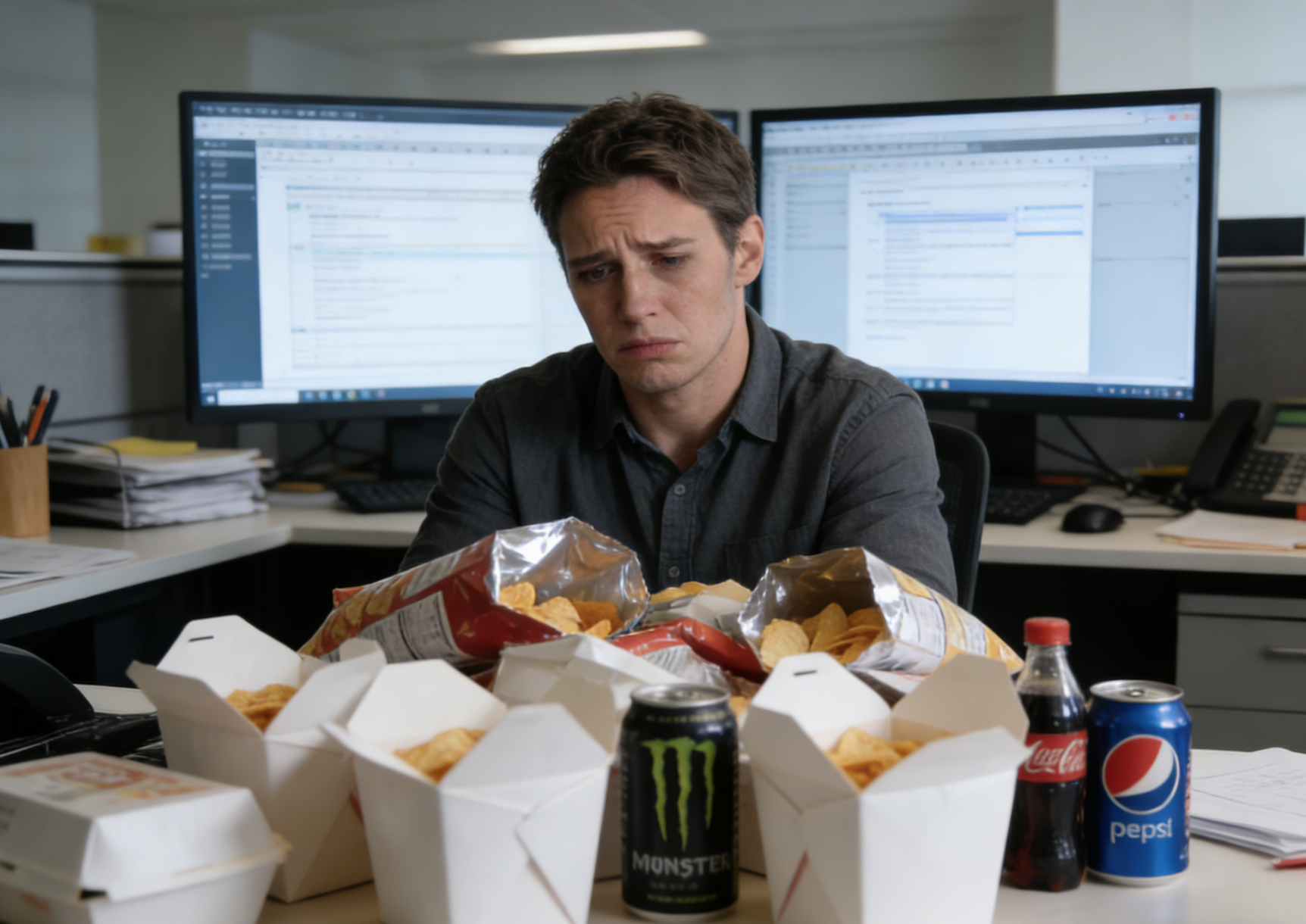
Unlocking the Secrets of Cortisol: How Stress Becomes an Invisible Obstacle on Your Weight Loss Journey
This article explains in detail how the stress hormone cortisol contributes to fat accumulation and water retention by increasing blood sugar and insulin levels, thereby hindering weight loss. Cortisol's effects are particularly pronounced in women, making stress management a crucial aspect of successful and sustainable weight loss.
2026-03-09
How does overeating affect weight loss? A scientific analysis of the causes and coping strategies.
Overeating not only harms health but is also a major reason for weight loss failure. This article reveals in detail how emotional stress, restrictive dieting, and unhealthy eating habits trigger overeating, and provides guidance on developing healthy eating habits to overcome this obstacle and support effective weight loss.
2026-03-09
Mindful Eating: A method for healthy weight loss through focused eating.
This article introduces three core principles of mindful eating: focusing on eating, chewing slowly, and emotional relaxation. These principles help improve unhealthy eating habits such as overeating. By practicing mindful eating, you can effectively enhance satiety, regulate appetite, and thus support a long-term, healthy weight loss process, achieving balance between mind and body.
2026-02-02