
How to scientifically plan your exercise regimen for weight loss? An analysis of effective weight loss exercise methods.
The amount of exercise needed for weight loss is often determined by the amount and speed of weight loss desired. Based on successful experiences of losing 1.5 pounds per week by reducing dietary calories, many scholars suggest that a weight loss of 1 pound (0.45 kg) per week is more appropriate; a weight loss of 2 pounds per week is medically acceptable, but should not be exceeded, which is equivalent to a daily deficit of 500-1000 kcal, resulting in a cumulative weekly calorie deficit of 3500-7000 kcal. Specific measures include exercising 3-5 times a week, each session lasting 20-30 minutes, at an intensity of 50%-85% of maximum oxygen uptake or 60%-70% of maximum heart rate. This level of exercise is considered the "threshold" for stimulating body fat burning, meaning that the weekly calorie expenditure should be at least 900 kcal.
Lamb suggests: If possible, determine your "ideal" weight. To determine your "ideal" weight, first test your body fat and lean body mass percentages (using underwater weighing or skinfold thickness measurement), then calculate using the following formula.
For example, a person weighing 90kg has a measured lean body mass of 72kg, meaning their "ideal" body fat percentage is 13%. However, the actual measured body fat percentage is 20%. Substituting this into the formula, the result is 82.8kg, which is their "ideal" weight. If their current weight is 90kg, they should lose 7.2kg to reach their "ideal" weight. Develop a weight loss plan based on this "ideal" weight goal.
Regarding exercise methods and content, most reports advocate for dynamic aerobic exercises involving large muscle groups. Dynamic aerobic exercises include walking, running, swimming, and cycling. While walking and running are convenient and easy to do, they also have disadvantages such as being time-consuming, monotonous, and placing a heavy burden on the lower limbs. In seated or lying-down cycling (using a Monark power meter), the lower limbs do not touch the ground, reducing the burden on the knee joints. The exercise intensity can be adjusted and it can be done indoors. However, it requires equipment and can cause discomfort after prolonged sitting or lying down. There are also issues with poor heat conduction and monotony in fixed positions. Disco dancing, which has recently become popular in China, is a good form of exercise. Dancing to music is engaging and suitable for all ages. However, the intensity of group activities may not be suitable for every participant. Furthermore, care should be taken to prevent foot and knee injuries from exercising on hard surfaces. Recent reports abroad advocate and promote water-based exercise. Water buoyancy reduces the burden on joints, and the hydrostatic pressure on the body surface increases central blood volume. Body heat is easily dissipated during water exercise. Besides swimming, water-based exercises have expanded to include walking, running, jumping, kicking, and water ball games. Studies have shown that water activity can increase central blood volume by 700 ml, central venous pressure by 12-18 mmHg, cardiac output and stroke volume by 25% or more, and also increase left ventricular end-diastolic and systolic diameters, improving aerobic capacity. It is considered a promising exercise method for rehabilitation and weight loss.
To simplify and promote exercise for weight loss, different exercise content and methods can be arranged and combined to achieve a certain amount of energy expenditure. Exercise prescriptions can be entered into a computer for use by those trying to lose weight. The content of the exercise should be designed to arouse the interest of those trying to lose weight and encourage long-term adherence. Special attention should be paid to building confidence in completing the exercise for children, ensuring safe exercise, and providing good sports facilities. The effects of different exercise methods and amounts on body fat, weight, appetite, blood lipids, and psychological aspects still require further research.
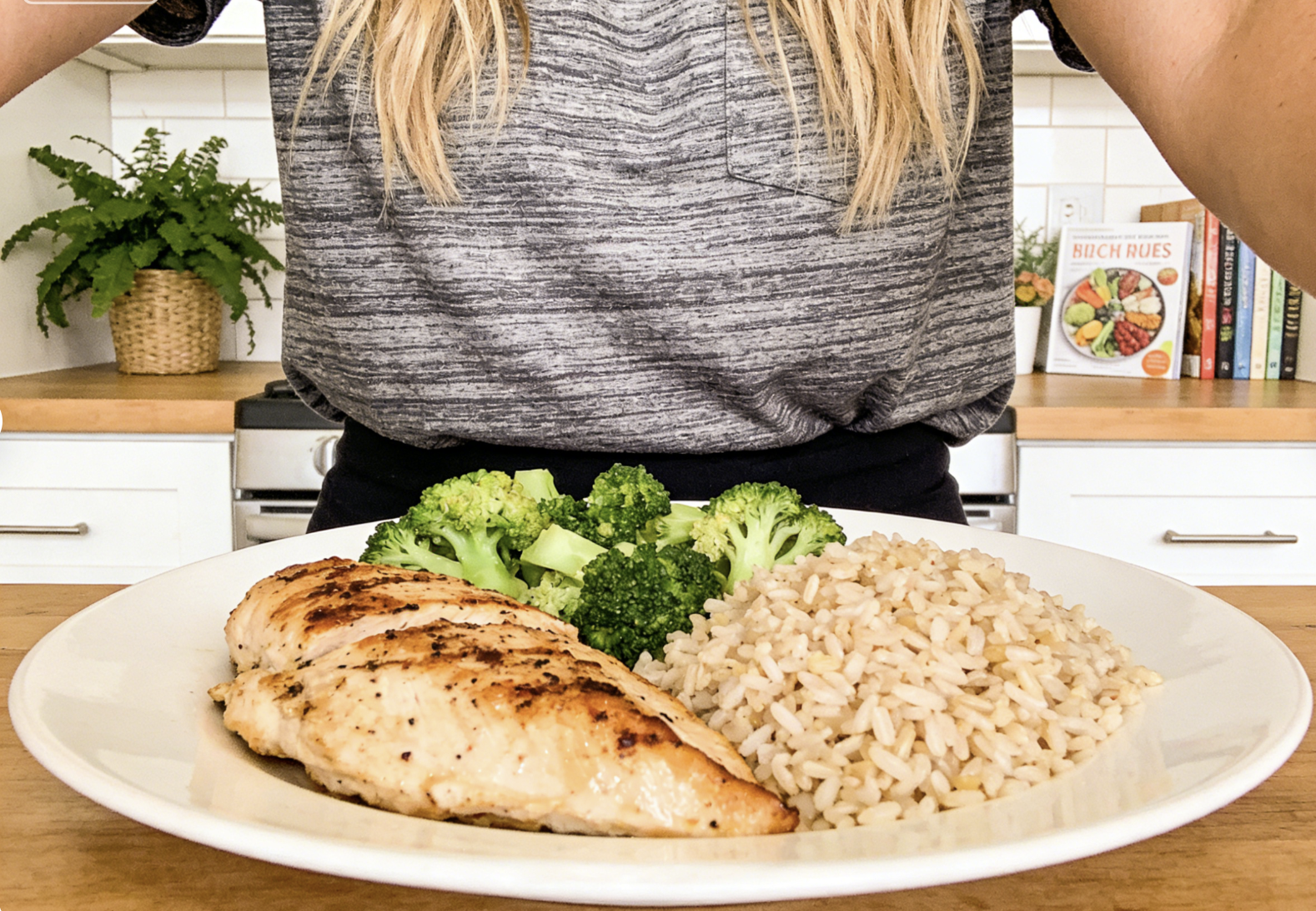
Post-Meal Weight Loss Strategies: Healthy Habits After Eating + Optimal Exercise Timing
Standing, massage, and brisk walking after meals can aid weight loss. Choosing the right exercise times—such as in the morning on an empty stomach—can boost fat-burning efficiency. Mastering these simple methods makes weight loss easier and more effective.
2026-03-26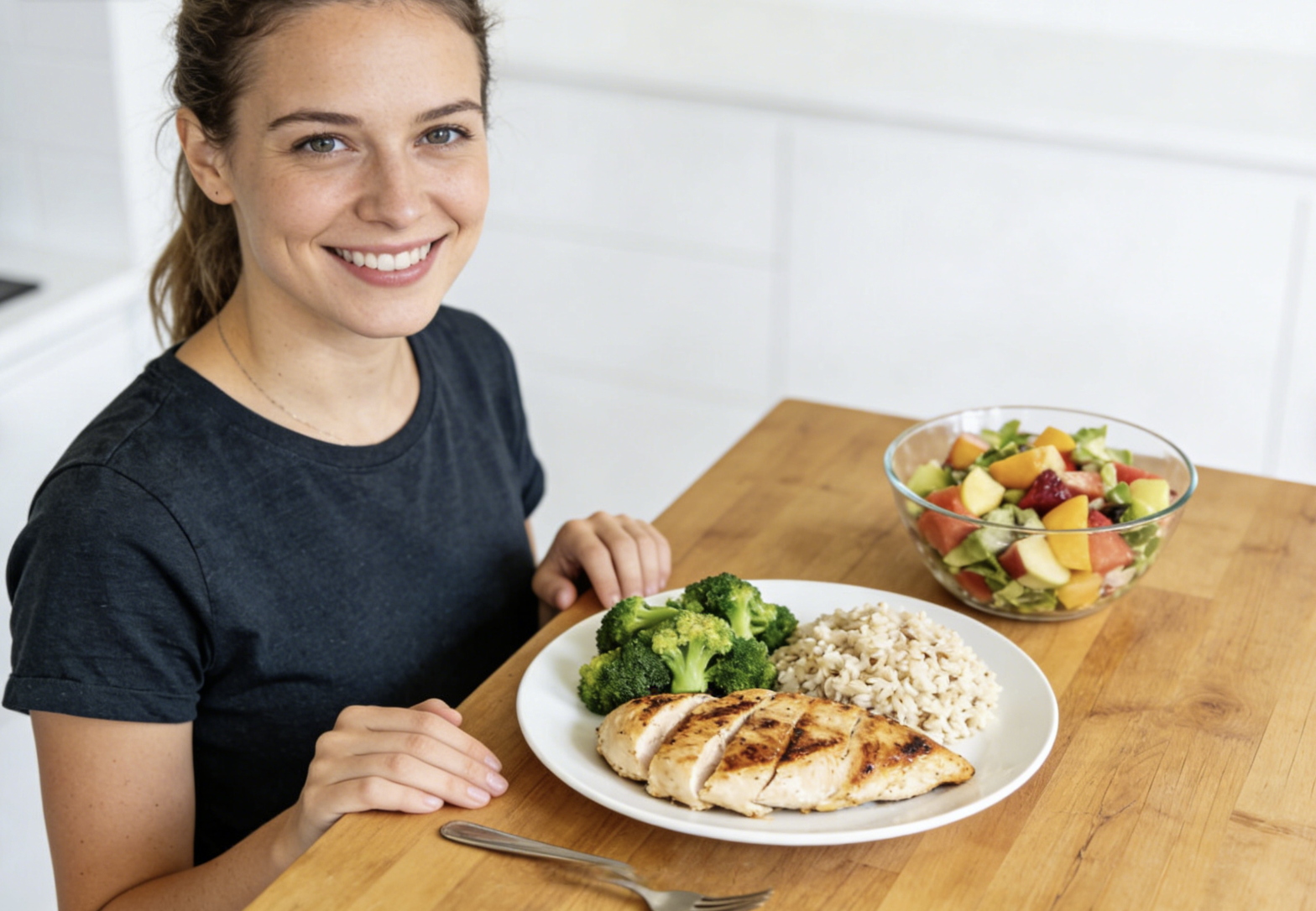
Weight Loss Exercise Guide: Optimal Timing and Long-Term Motivation Strategies
Selecting the right morning, afternoon or evening exercise slot can enhance fat-burning efficiency. This guide teaches you how to establish consistent workout times, cultivate self-motivation and create plans to sustain long-term commitment, enabling efficient and safe weight loss.
2026-03-26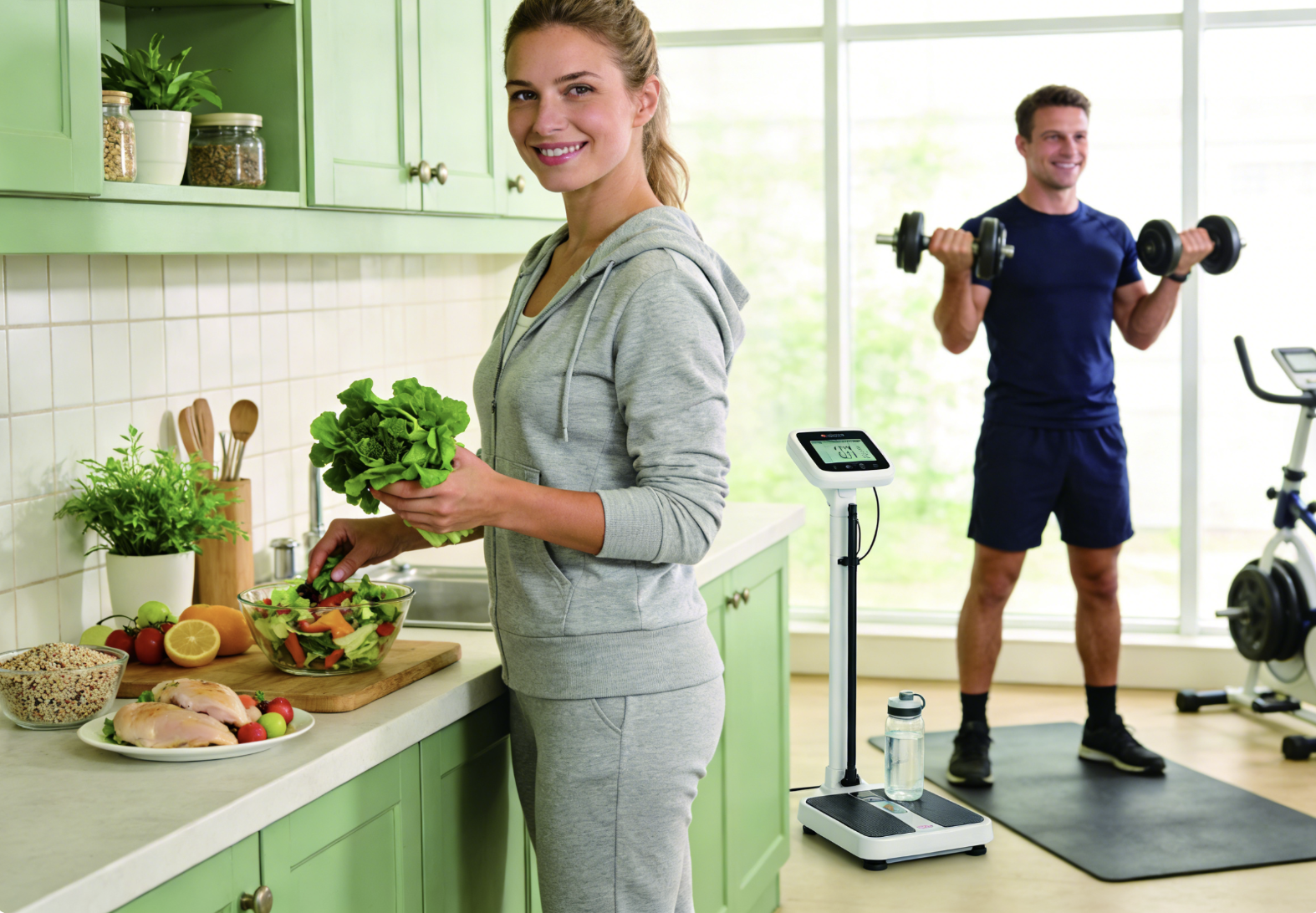
Weight Loss and Belly Fat Reduction: Develop Good Eating Habits and Say Goodbye to a Big Belly
Learning to chew slowly, eat until you're 80% full, avoid overeating and leftovers, and develop healthy eating habits can help with weight loss and protect your digestive system. Adhering to good habits makes weight loss easier and more effective.
2026-03-27